
 Save to Pinterest
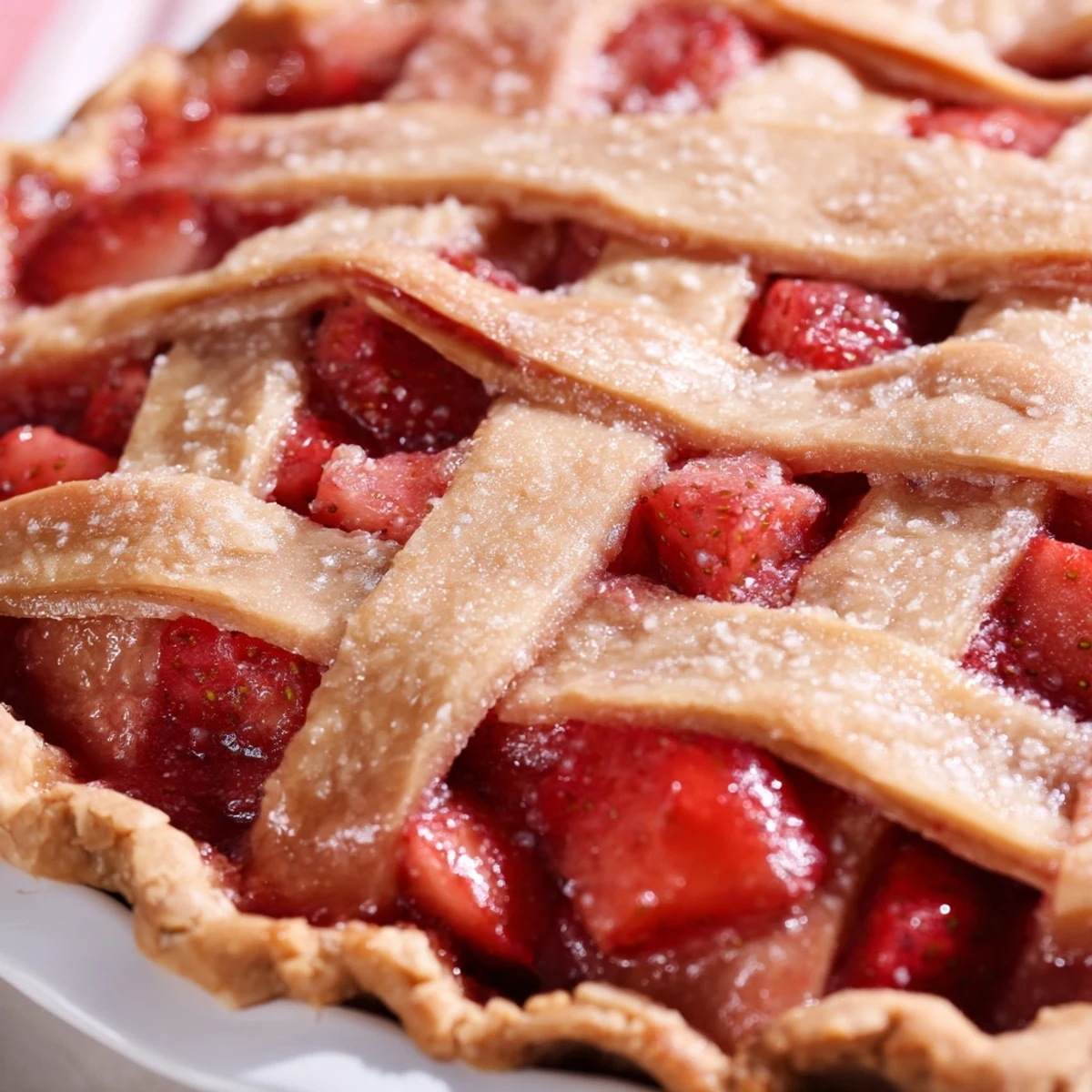
 This classic dessert blends juicy strawberries with tangy rhubarb, enveloped in a buttery, flaky crust woven into a decorative lattice top. The filling's balance of sweetness and tartness is enhanced with hints of cinnamon and vanilla, delivering a fresh, rich flavor. Baking at two temperatures ensures a perfectly golden crust and bubbling filling. Cooling for several hours allows the layers to set beautifully for neat, flavorful slices. Optional nutmeg adds warmth, and serving with whipped cream or vanilla ice cream elevates this treat.
Last June, my neighbor appeared at my back door with an armful of rhubarb from her garden and that knowing smile people get when they are about to change your summer forever. We stood in my kitchen while she explained that strawberries and rhubarb were meant to be together, that the sweetness and tang would balance perfectly if I just trusted the process. That first pie overflowed my baking sheet because I got too generous with the filling, but the scent that filled my house made every sticky moment worth it.
My sister came over last weekend specifically to learn my lattice technique, and we ended up with flour on our noses and a pie that wasnt quite perfect but disappeared anyway. She kept saying she could never make something so beautiful, but by her third strip she was already planning which friends she would impress first.
Ingredients
- All-purpose flour: The foundation of both tender crust and structure, measure by weight if possible for consistent results
- Cold unsalted butter: Keep it ice cold and cut into small cubes before mixing, this creates those flaky layers that make pastry magic happen
- Ice water: Add gradually and stop as soon as the dough holds together, too much water makes tough crust
- Fresh strawberries: Choose berries that are fragrant and slightly firm, mushy berries will make your filling too watery
- Fresh rhubarb: Look for stalks that are firm and brightly colored, avoid any that are limp or have blemishes
- Granulated sugar: This sweetens the filling and helps create that gorgeous thickened fruit syrup as it bakes
- Cornstarch: Essential for thickening all those fruit juices so your slices hold their shape beautifully
- Cinnamon: Just a hint adds warmth that makes people ask what your secret ingredient is
- Lemon juice: Brightens the entire filling and helps the fruit maintain its gorgeous red color
- Egg wash: Creates that golden professional looking finish that makes everyone think you are a baking wizard
Instructions
- Make the pastry dough:
- Whisk the flour, salt, and sugar in a large bowl, then work in that cold butter using a pastry blender or your fingers until you see pea-sized pieces of butter still visible. Sprinkle in the ice water a tablespoon at a time, tossing gently with a fork, and stop as soon as the dough starts holding together in shaggy clumps. Divide into two disks, wrap them up, and let them chill for at least an hour so the gluten can relax.
- Preheat your oven:
- Get your oven to 400°F and position a rack in the center, giving yourself time to focus on the filling without feeling rushed.
- Prepare the fruit filling:
- In a large bowl, gently toss together those sliced strawberries and rhubarb with the sugar, cornstarch, cinnamon, salt, lemon juice, and vanilla. Let this mixture sit for about 10 minutes so the fruit starts releasing its juices and the cornstarch can begin doing its work.
- Roll out the bottom crust:
- On a lightly floured surface, roll one dough disk into a 12-inch circle, frequently rotating and flipping to prevent sticking. Carefully transfer it to your 9-inch pie plate, press it gently into the bottom and up the sides, and trim any excess hanging over the edge.
- Add the filling:
- Spoon the fruit mixture into your prepared crust, using a slotted spoon if there is excessive liquid at the bottom of the bowl. Spread it evenly but do not overfill.
- Create the lattice top:
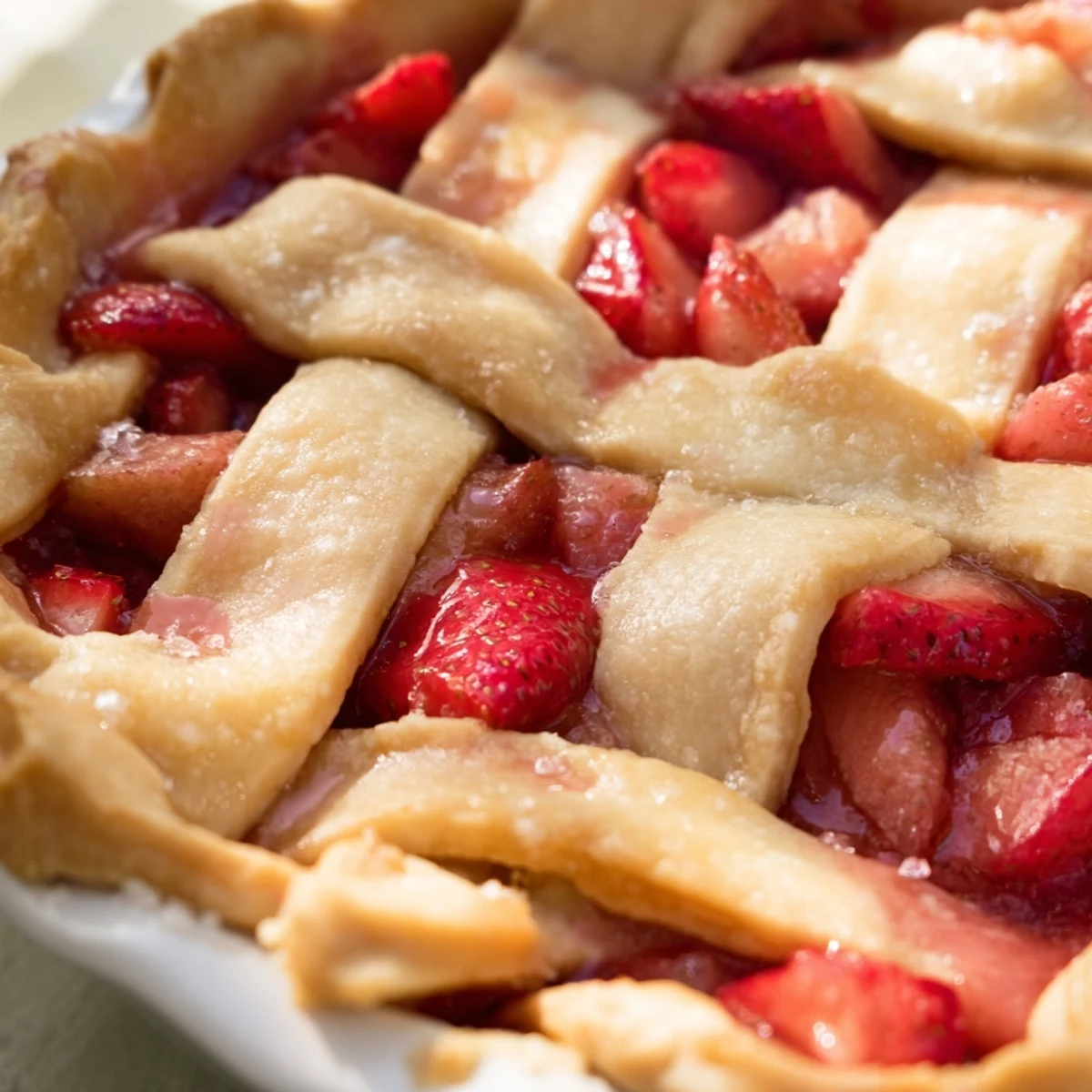
- Roll out the second dough disk and cut it into strips about 3/4 inch wide. Lay half the strips across the pie parallel to each other, then gently fold back every other strip and place a perpendicular strip in the opening, folding the strips back down and repeating until you have woven that beautiful pattern.
- Finish and bake:
- Trim and crimp the edges to seal everything in nicely, brush the entire lattice and edge with beaten egg, and sprinkle with coarse sugar if you want that extra sparkle. Bake for 20 minutes at 400°F, then reduce to 350°F and continue baking for 35 to 40 minutes until the crust is deeply golden and the filling is bubbling actively in the center.
 Save to Pinterest
 Last summer I served this at a potluck and watched three generations debate the proper pronunciation of rhubarb while simultaneously going back for seconds. The pie was gone before anyone remembered to ask what made it so special.
Getting That Lattice Right
The secret to weaving a lattice that looks professional is not trying to make it perfect. Your strips might be slightly different widths or your weaving might get a little uneven toward the center, and that is absolutely fine. Start with longer strips in the middle and save your shorter pieces for the outer edges where less weaving is required.
Working With Rhubarb
Fresh rhubarb has a short season, usually late spring through early summer, and using it at its peak makes all the difference in flavor intensity. If you find yourself with extra rhubarb, chop it and freeze it in measured portions so you can make this pie long after the plants have died back.
Making This Pie Your Own
Try adding a tablespoon of balsamic vinegar to the filling if you want to deepen the flavor profile with something unexpected but wonderful. A handful of chopped walnuts scattered over the fruit before adding the lattice adds a lovely crunch that people will notice but not quite be able to identify.
- Place a baking sheet on the rack below your pie to catch any sugary drips before they hit your oven floor
- If the edge of your crust browns too quickly, cover just the rim with a pie shield or ring of foil
- This pie tastes even better on the second day, if you can manage to save any that long
 Save to Pinterest
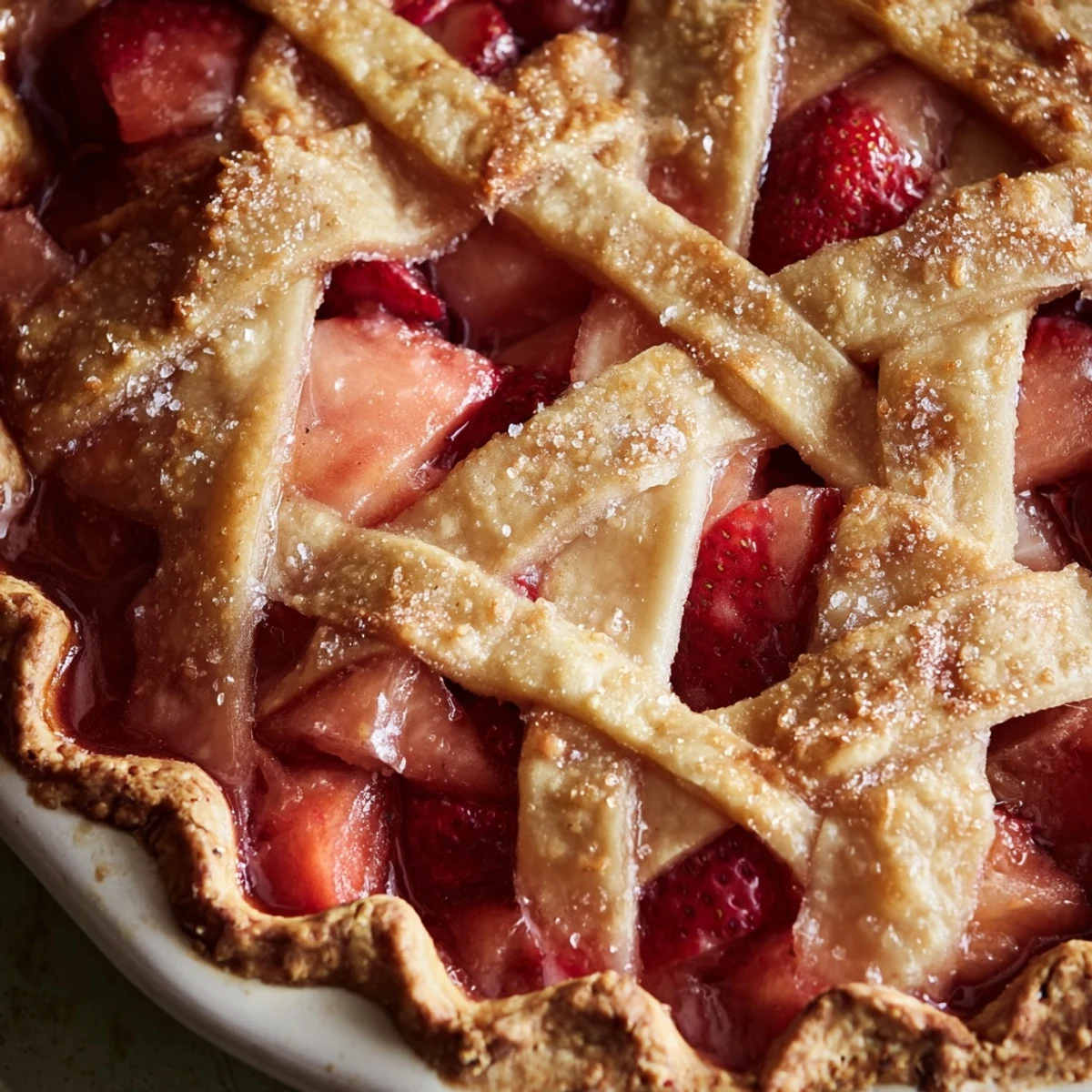
 There is something deeply satisfying about pulling a perfectly golden lattice pie from the oven and knowing you created that beautiful top with your own hands. Serve it warm with vanilla ice cream while the crust is still crisp and watch the room go quiet.
Recipe FAQs
- → How do I achieve a flaky pie crust?
-
Use cold, cubed butter and minimal water when mixing the dough. Keep everything chilled to prevent the butter from melting, creating layers for flakiness.
- → Can I make the filling ahead of time?
-
Yes, letting the filling sit for 10 minutes before assembling helps to blend the flavors and thicken with cornstarch for the perfect texture.
- → What is the purpose of the lattice top?
-
The lattice allows steam to escape during baking and adds an attractive golden pattern that crisps nicely.
- → How long should the pie cool before slicing?
-
Allow at least 2 hours of cooling for the filling to set firmly, which helps achieve clean slices.
- → Can I substitute the butter in the dough?
-
You can replace butter with plant-based alternatives for a dairy-free variation, keeping the same cold handling techniques.