
 Save to Pinterest
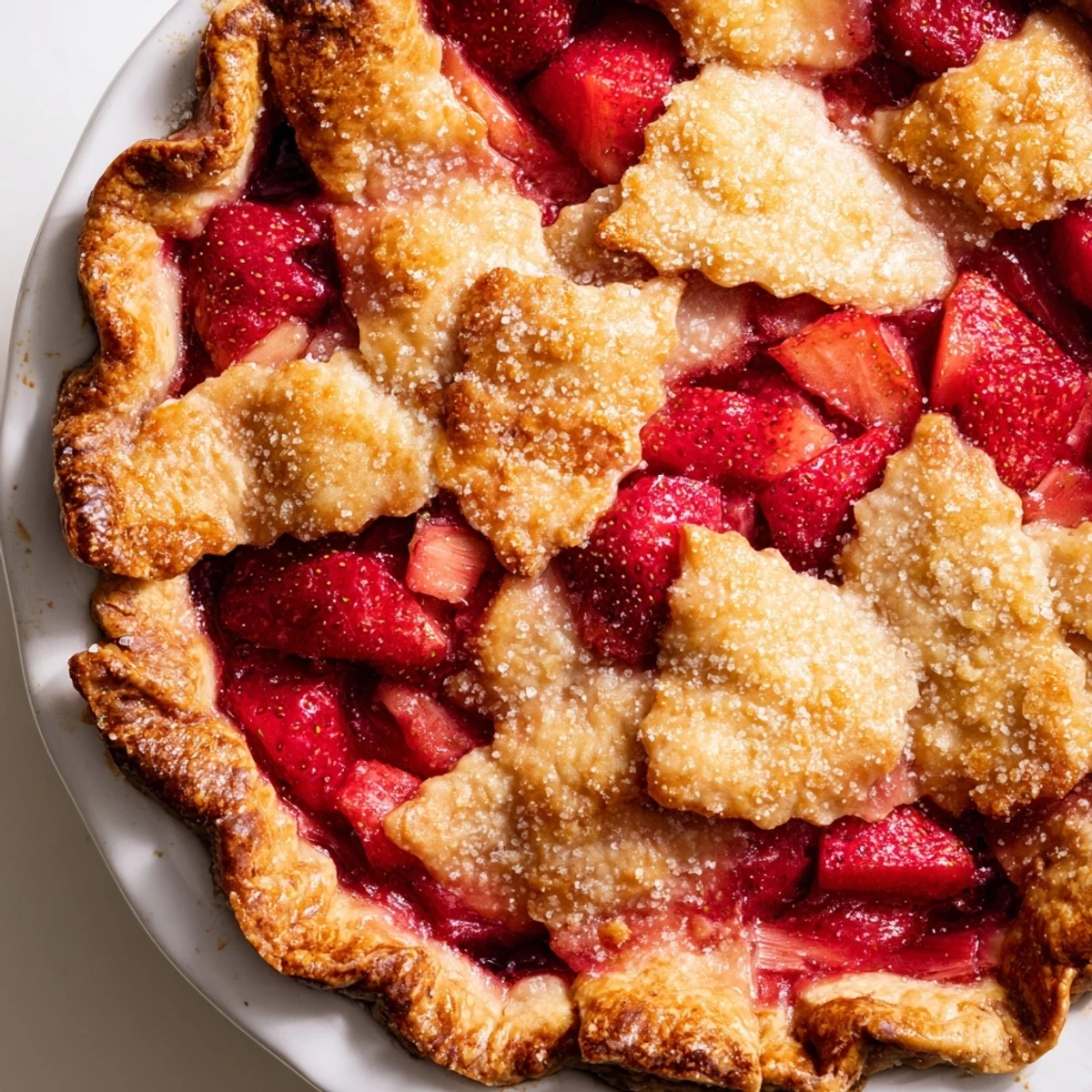
 This sweet-tart creation features ripe strawberries paired with tangy rhubarb, nestled in a flaky, buttery crust woven into a beautiful lattice top. Preparing the crust involves combining cold butter with flour for a tender texture, while the filling melds fresh fruit with sugar, lemon juice, and vanilla for bright, balanced flavors. Baking produces a golden crust and bubbling filling, cooled before slicing for perfect servings. Ideal for seasonal gatherings and festive occasions.
There was this one June when my neighbor's rhubarb patch went absolutely wild, and she kept dropping armfuls of the pink stalks on my porch like some sort of garden fairy. I'd never actually cooked with rhubarb before, but something about those bright celery-like stalks demanded attention. That first pie was a mess of spilled juice and burnt edges, but the combination of sweet strawberries and that mouth-puckering tang clicked instantly. Now I can't wait for rhubarb season every single year.
I made this for my dad's birthday one year when he casually mentioned how much he missed his grandmother's rhubarb pies from childhood. The kitchen smelled like sugar and butter and something distinctly nostalgic while it baked. When he took that first bite and got quiet for a second, I knew I'd gotten it right. Now it's become his birthday request every single June without fail.
Ingredients
- 2 1/2 cups all-purpose flour: The foundation of your crust, and keeping everything ice-cold is the secret to flaky layers
- 1 tablespoon granulated sugar: Just enough to give the crust a subtle sweetness and help it brown beautifully
- 1 teaspoon salt: Balances the sweetness and brings out all the buttery flavor
- 1 cup cold unsalted butter, cubed: Cold butter creates those magical flaky pockets we all want in pie crust
- 6-8 tablespoons ice water: Add gradually until the dough just comes together, overworking makes it tough
- 3 cups fresh strawberries, quartered: Use berries that are slightly underripe for better texture
- 3 cups rhubarb, sliced 1/2-inch thick: The pinker the stalks, the more beautiful your filling will be
- 1 cup granulated sugar: Essential for taming rhubarb's natural tartness
- 1/4 cup cornstarch: Thickens all those luscious fruit juices into a perfect gel
- 1 tablespoon lemon juice: Brightens everything and helps the strawberries hold their color
- 1 teaspoon vanilla extract: Rounds out the flavors and adds that bakery quality depth
- 1/4 teaspoon salt: A pinch that makes all the fruit flavors pop
- 1 egg, beaten: Gives your lattice that gorgeous golden shine
- 1 tablespoon coarse sugar: Optional but creates that sparkling bakery finish
Instructions
- Make the pie crust dough:
- Whisk together flour, sugar, and salt in a large bowl, then cut in cold butter until you see pea-sized chunks throughout. Drizzle in ice water one tablespoon at a time, tossing gently with a fork until the dough holds together when squeezed. Divide into two discs, wrap tightly, and let chill for at least one hour.
- Prepare the fruit filling:
- Combine strawberries, rhubarb, sugar, cornstarch, lemon juice, vanilla, and salt in a large bowl. Toss everything gently until the fruit is evenly coated, then set aside for 10 minutes while you roll out the dough.
- Roll out the bottom crust:
- Preheat your oven to 400°F and roll one chilled dough disc into a 12-inch circle on a floured surface. Carefully transfer it to your 9-inch pie dish, letting the edges hang over the sides slightly.
- Add the filling and start weaving:
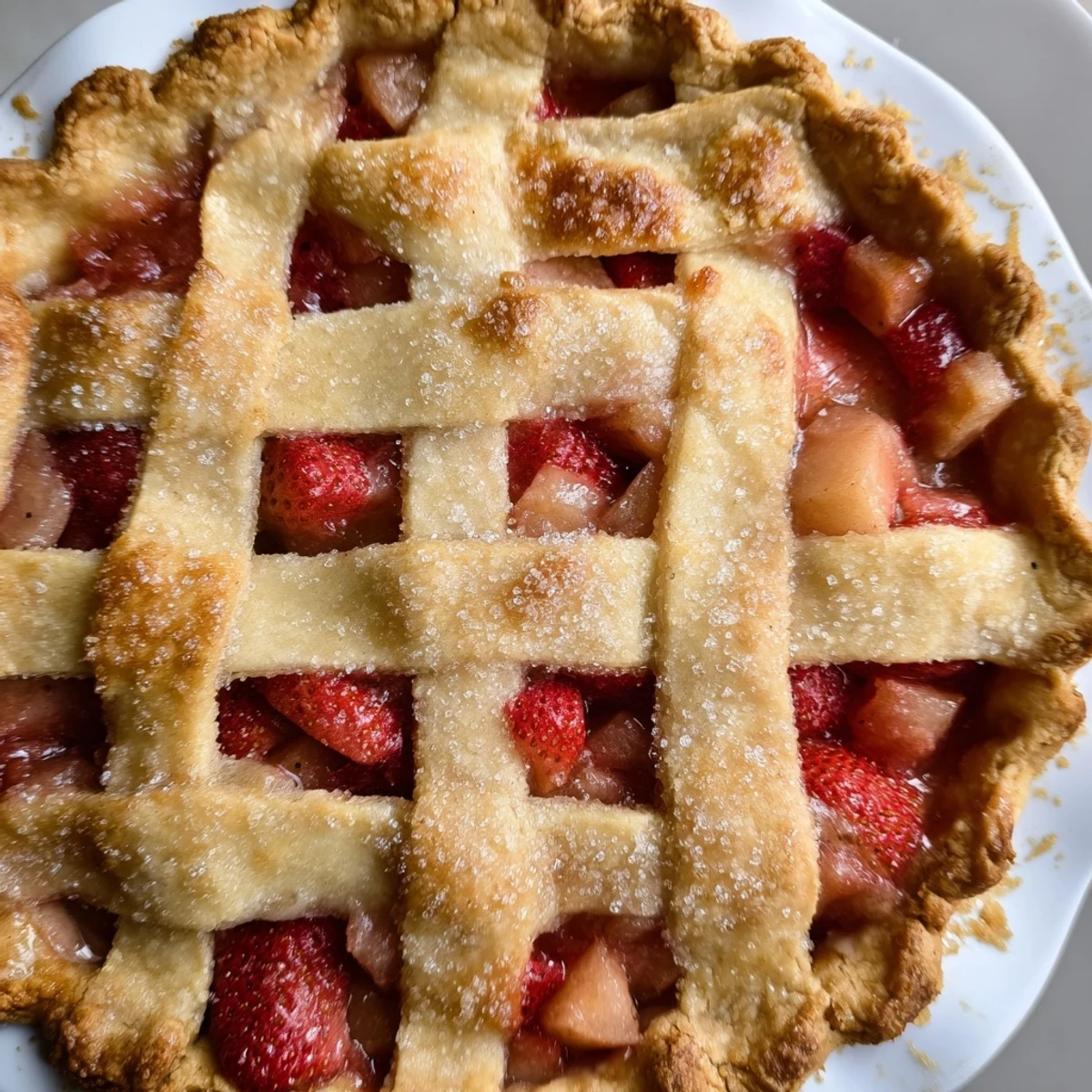
- Pour the fruit mixture into the bottom crust and spread it evenly. Roll the second dough disc and cut it into 3/4-inch strips, then lay half horizontally across the pie before weaving the remaining strips vertically to create that classic lattice pattern.
- Finish and bake the pie:
- Trim any excess dough and crimp the edges to seal everything in, then brush the lattice with beaten egg and sprinkle with coarse sugar if you're using it. Bake on a baking sheet for 20 minutes at 400°F, then reduce to 350°F and continue baking for 35-40 minutes until golden and bubbling.
- Let it cool completely:
- This is the hard part, but cooling on a wire rack for at least 2 hours lets the filling set properly so each slice holds its shape beautifully.
 Save to Pinterest
 Last summer I brought this to a potluck and watched three generations argue over who got the last slice. The grandma remembered rhubarb pies from her childhood farm, the kids were just discovering that magical sour-sweet combination, and everyone was scraping their plates clean. There's something about this pie that brings people together in the best possible way.
Getting That Lattice Right
The first time I attempted a lattice top, I ended up with what looked like a drunken spider web instead of those perfect woven strips you see in magazines. Here's what I learned: lay out all your strips first so you can see what you're working with, and don't stress about them being perfectly even. The trick is lifting alternate strips gently rather than trying to weave them all at once. Even imperfect lattices taste incredible, and nobody's judging your weaving skills once they take that first bite.
Timing Your Bake
Starting at a higher temperature (400°F) helps set the crust quickly so it doesn't get soggy from all those fruit juices. The key is watching for that bubbling filling through your lattice opening, it's your signal that the cornstarch has done its job and everything's properly thickened. I've learned to start checking at the 30-minute mark after reducing the heat, because ovens vary wildly and burnt rhubarb filling has a distinctly sad taste.
Make Ahead Magic
The dough can actually be made up to three days ahead and kept in the fridge, or freeze it for up to three months if you want to get a head start on pie season. Sometimes I'll slice the strawberries and rhubarb the night before and keep them separately in the fridge, which makes assembly day feel almost effortless. Just don't mix the filling ahead of time or the fruit will release too much liquid and your pie will be soupy instead of perfectly set.
- If your lattice starts browning too quickly, tent it loosely with foil
- A baking sheet underneath saves your oven from those inevitable sugary drips
- Room temperature fruit fills the pie more evenly than cold straight from the fridge
 Save to Pinterest
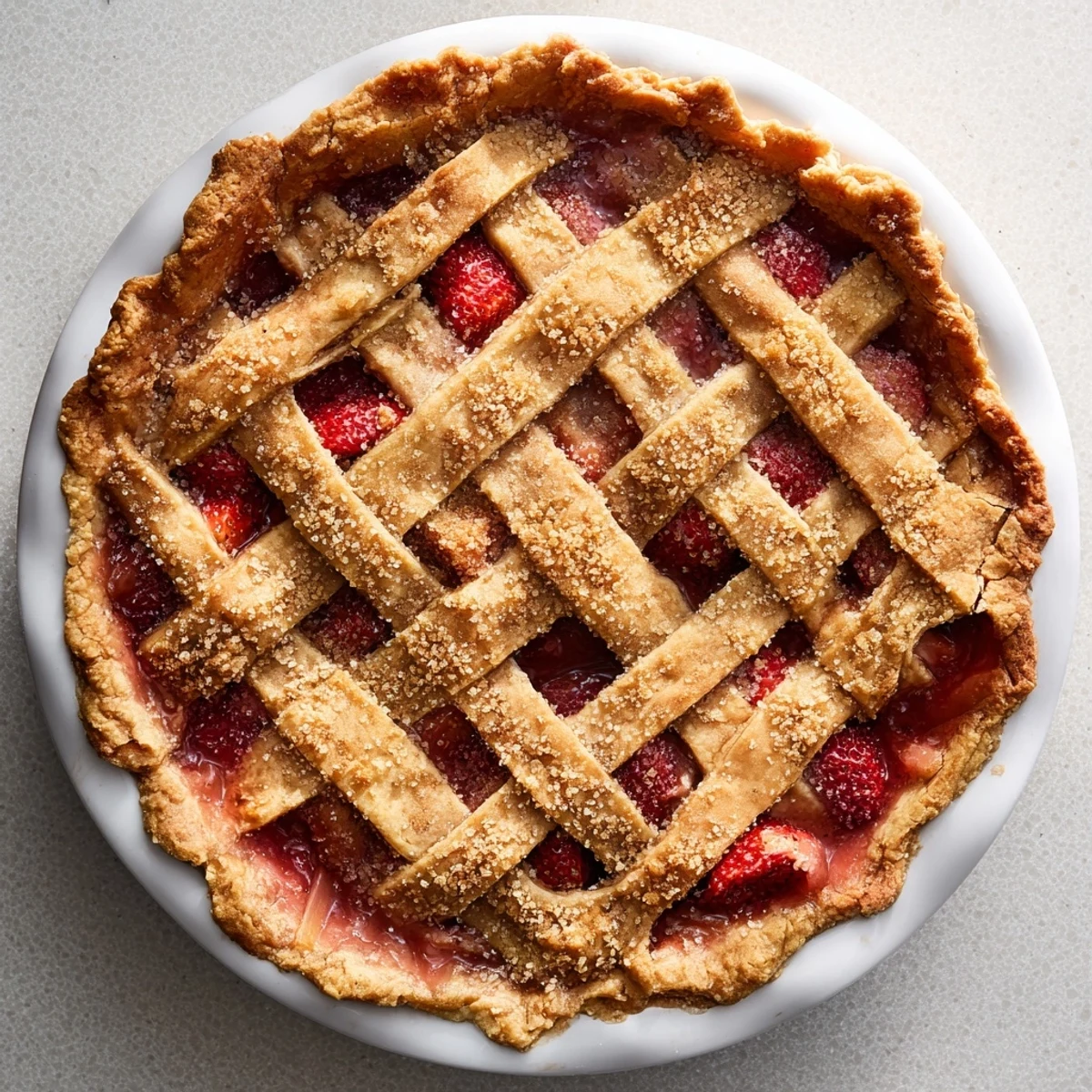
 There's something so satisfying about pulling a golden lattice pie from the oven, the way the whole kitchen smells like butter and fruit and pure happiness. This is the dessert that turns ordinary afternoons into memories worth holding onto.
Recipe FAQs
- → What makes the lattice crust special?
-
The lattice crust combines strips of dough woven to create an attractive pattern that allows steam to escape and enhances crispness.
- → Can the filling be adjusted for sweetness?
-
Yes, sugar quantities can be modified to taste or balanced with tart lemon juice to achieve desired sweetness.
- → How long should the crust chill before baking?
-
Chilling for at least one hour firms the dough, making it easier to roll and helping maintain flakiness during baking.
- → Is it possible to substitute rhubarb?
-
Apples can replace half the rhubarb for a milder tartness, adding complexity while maintaining texture.
- → What baking temperatures are used?
-
Start baking at 400°F to set the crust, then reduce to 350°F to gently cook the filling without overbrowning.