
 Save to Pinterest
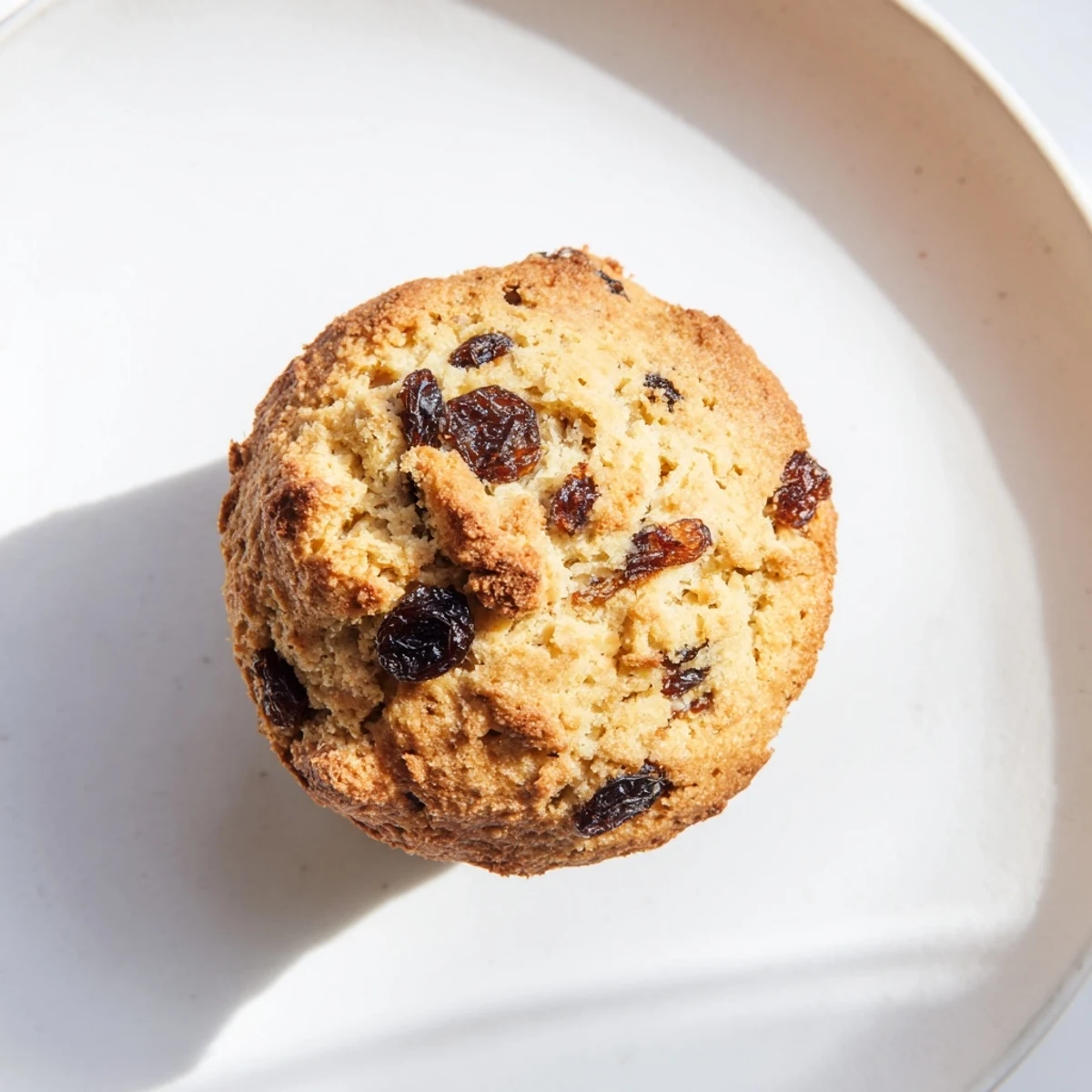
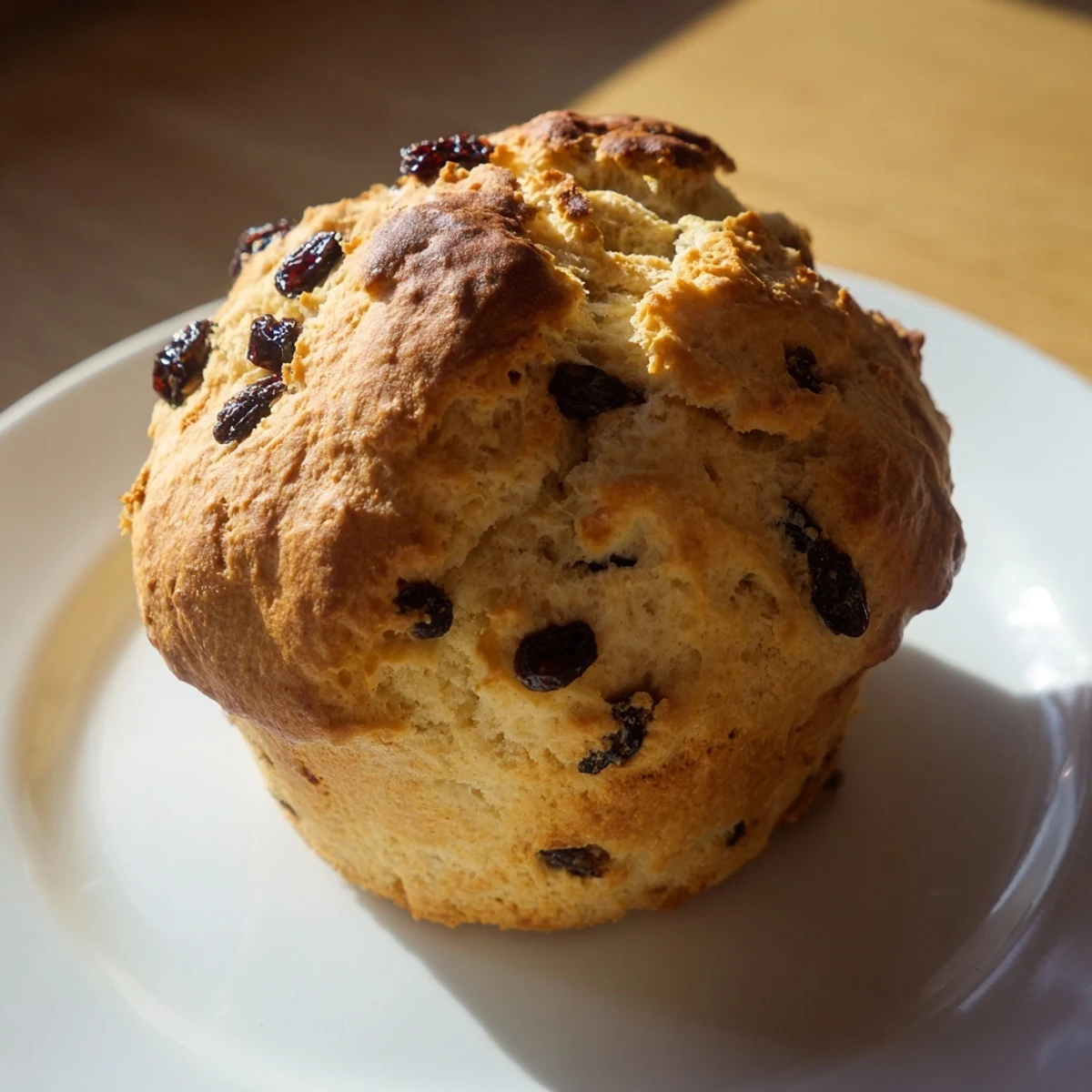
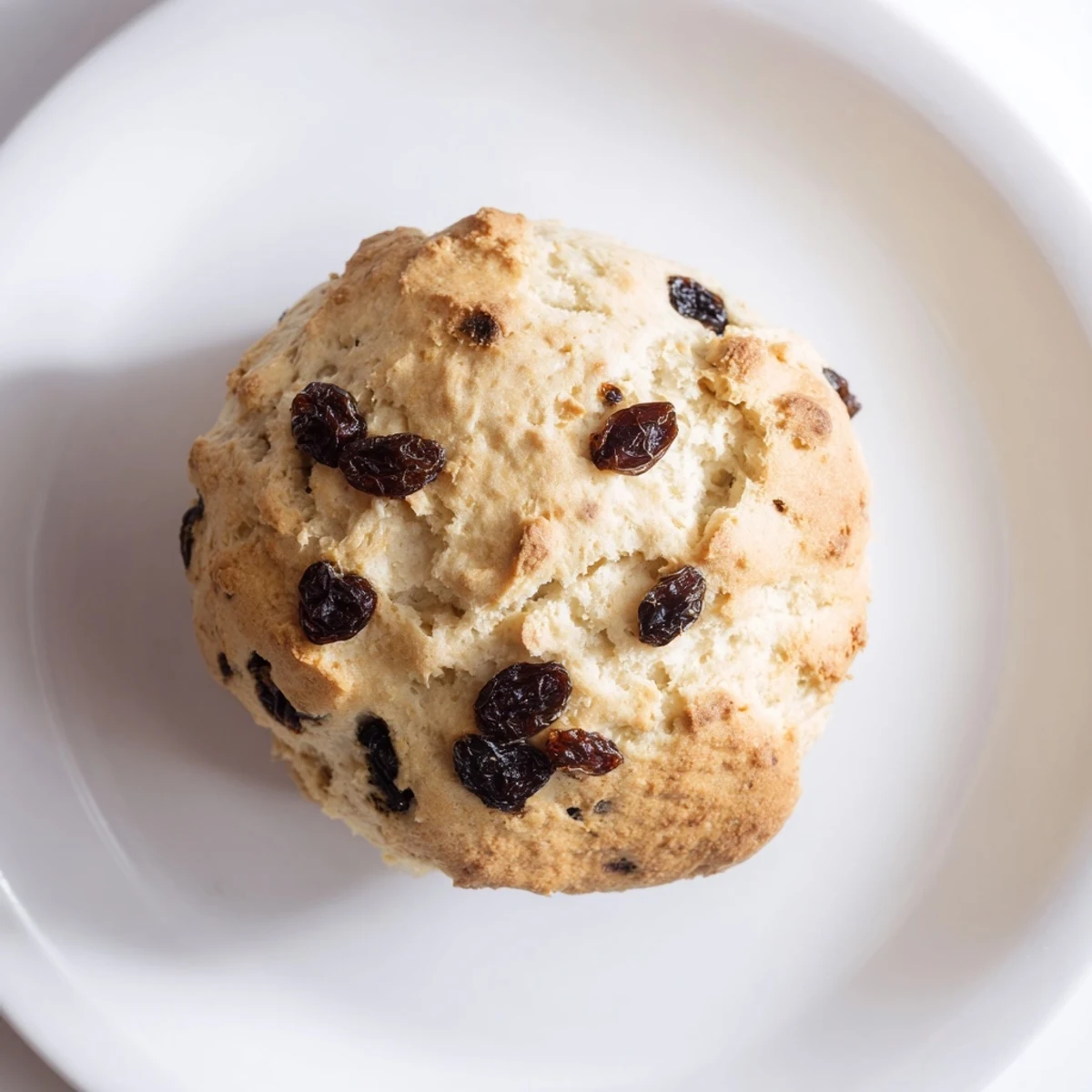
 These Irish soda bread-style muffins offer a tender crumb and a lightly sweet flavor, enriched by plump currants dispersed throughout. Using a blend of all-purpose and whole wheat flours combined with buttermilk, baking soda, and powder gives them a pleasant rise and soft texture. The addition of caraway seeds adds a subtle aromatic note. With a golden crust formed during a short bake, they’re ideal for breakfast or afternoon tea. Easy to prepare, these muffins can be enjoyed warm with butter or jam, and freeze well for later.
The morning sun hit my tiny galley kitchen as I pulled these muffins from the oven, the scent of caraway and warm currants filling every corner of my first apartment after college. I had been missing my grandmother's traditional soda bread but wanted something faster, something that could bake while coffee brewed. These muffins became my solution, and now they're the first thing I reach for when I need comfort that doesn't require hours of kneading or waiting.
I remember bringing a batch to a St. Patrick's Day brunch at my neighbor's house, still warm from the oven. She took one bite and immediately asked for the recipe, saying they reminded her of summers spent in her grandmother's kitchen in County Cork. Since then, I've doubled the batch every time I make them, knowing they'll disappear before the day is over.
Ingredients
- 2 cups all-purpose flour: Forms the tender base of these muffins, giving them structure without becoming dense
- 1/2 cup whole wheat flour: Adds that characteristic soda bread flavor and slight nuttiness we love
- 1/3 cup granulated sugar: Just enough sweetness to balance the tangy buttermilk without overshadowing the currants
- 1 teaspoon baking soda: The leavening agent that gives Irish soda bread its signature rise and crumb
- 1 1/2 teaspoons baking powder: Ensures these muffins puff up beautifully in the oven
- 1/2 teaspoon salt: Enhances all the flavors and balances the sweetness
- 1 1/4 cups buttermilk: Provides tang and activates the baking soda for that classic soda bread taste
- 1 large egg: Adds richness and helps bind the batter together
- 1/4 cup unsalted butter, melted and cooled: Contributes to a tender crumb and buttery flavor throughout
- 3/4 cup dried currants: These smaller, sweeter relatives of raisins are traditional in Irish baking
- 1 teaspoon caraway seeds: Optional but authentic, adding that distinctive slight anise flavor that makes soda bread unmistakable
Instructions
- Prepare your baking station:
- Preheat your oven to 400°F and line your muffin tin with paper liners, though a light coating of butter works beautifully too.
- Whisk the dry foundation:
- In a large bowl, combine both flours, sugar, baking soda, baking powder, and salt until everything looks evenly distributed.
- Mix the wet ingredients:
- In a separate bowl, whisk your buttermilk, egg, and melted butter until smooth and well combined.
- Bring them together:
- Pour the wet mixture into the dry and stir gently with a spatula, stopping as soon as you no longer see dry flour streaks.
- Add the treasures:
- Fold in the currants and caraway seeds, letting them distribute evenly without working the batter too much.
- Fill and bake:
- Divide the batter among your muffin cups, filling each about three quarters full, and slide them into the hot oven.
- Watch for golden perfection:
- Bake for 16 to 18 minutes until the tops are golden and a toothpick comes out clean from the center.
- Let them rest:
- Cool in the tin for 5 minutes before transferring to a wire rack, giving them time to set without getting soggy.
 Save to Pinterest
 There's something deeply satisfying about breaking open a warm muffin and seeing the steam rise, carrying the scent of currants and butter. My daughter now asks for these every Sunday morning, and I happily oblige, knowing we're continuing a tradition that spans generations and oceans.
Making Them Your Own
I've experimented with different add-ins over the years, and while currants remain my favorite, raisins work wonderfully when that's what you have on hand. During autumn, I've been known to add chopped dried figs and a pinch of cinnamon, though I always keep a batch traditional for purists in the family.
The Secret to The Crust
That golden crust comes from the high oven temperature, so don't be tempted to lower it even if you're worried about overbrowning. The muffins should develop a beautiful deep color that gives way to tender interior. If you want extra shine, brush them with melted butter the moment they come out of the oven.
Storage And Serving
These are undeniably best eaten within a few hours of baking, but life doesn't always allow that luxury. Wrap cooled muffins tightly and freeze for up to two months, reheating in a 350°F oven for about 10 minutes to refresh them. Serve with good salted butter and your favorite jam for a breakfast that feels like a small celebration.
- Split day old muffins and toast them under the broiler for crispy edges
- Pair with a sharp cheddar and apple slices for a sophisticated afternoon snack
- Consider doubling the recipe now, because one batch is never enough once people taste them
 Save to Pinterest
 Whether it's a quiet morning alone or a house full of friends, these muffins have a way of making any moment feel special and grounded. I hope they become part of your kitchen story too.
Recipe FAQs
- → Can I substitute currants with other dried fruits?
-
Yes, raisins or dried cranberries can be used as alternatives and will provide a similar sweetness and texture.
- → What gives these muffins their tender texture?
-
The combination of buttermilk with baking soda and powder creates a light, tender crumb with a fine rise.
- → Is it necessary to use caraway seeds?
-
Caraway seeds are optional but add a traditional aromatic flavor that complements the currants well.
- → How can I ensure a golden crust on the muffins?
-
Baking at 400°F (200°C) and optionally brushing tops with melted butter after baking enhances the golden finish.
- → Can these muffins be stored for later use?
-
Yes, they keep best fresh but can be frozen for up to two months when well wrapped.