
 Save to Pinterest
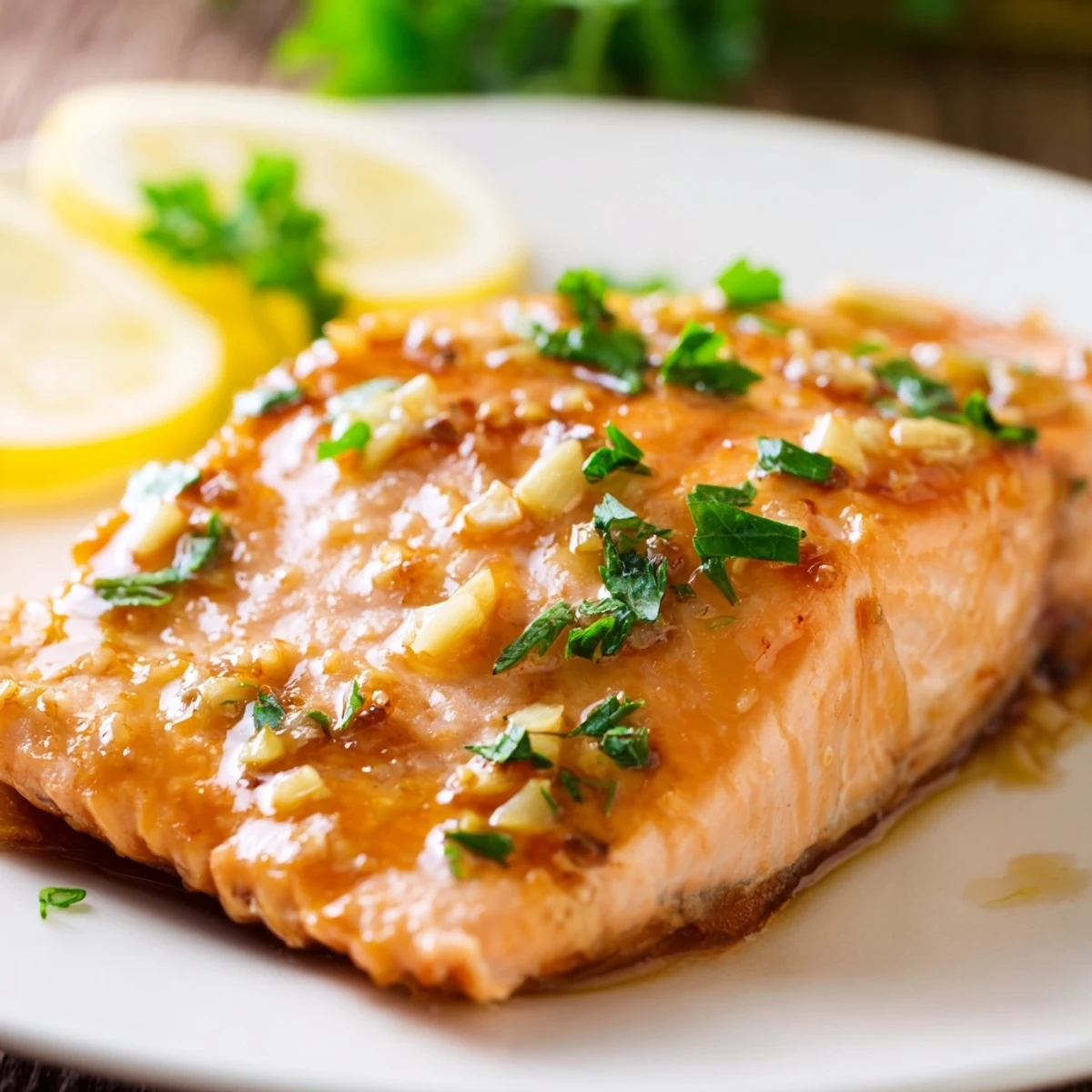
 Prepare this delicious dish by marinating skinless salmon fillets in a mixture of honey, soy sauce, lemon juice, and garlic. Bake at 400°F for about 12-15 minutes until the fish flakes easily. Brush with the remaining glaze after baking for an extra burst of flavor and finish with fresh herbs for a vibrant, healthy dinner.
There's something about the smell of salmon hitting a hot pan that makes me pause whatever I'm doing. One Tuesday evening, rushing through the kitchen with no real dinner plan, I spotted salmon at the market and remembered a glaze I'd thrown together months ago by accident—honey, soy, garlic, and lemon all at once. That night turned into something special, and now whenever I need dinner to feel effortless and impressive, this is what I reach for.
I made this for my mom during a particularly stressed week, and she sat at the counter just eating quietly while I talked about my day. Halfway through, she asked for the recipe, and I realized she wasn't just being polite—she actually wanted to make it again. That's when I knew this one was a keeper.
Ingredients
- Salmon fillets (4, about 6 oz each): Look for fillets that are firm and bright pink, ideally not translucent at the edges. Skinless makes them easier to eat, but skin-on works beautifully too if you prefer.
- Olive oil: Just enough to coat the fish so it doesn't stick and to help the seasonings cling nicely.
- Salt and black pepper: These aren't optional—they're what let the salmon actually taste like salmon.
- Honey: The foundation of the glaze, bringing sweetness that balances the soy and lemon perfectly.
- Low-sodium soy sauce: Regular soy can overpower, so the low-sodium version lets every ingredient shine.
- Fresh lemon juice: Never use bottled here; fresh lemon makes all the difference in brightness.
- Garlic cloves, minced: Three cloves minced fine enough to distribute throughout the glaze without overpowering bites.
- Fresh ginger, grated (optional): If you add this, it gives the glaze a subtle warmth that feels almost Asian-inspired.
- Red pepper flakes (optional): A tiny pinch adds complexity without heat, just enough to make someone ask what the secret ingredient is.
- Fresh parsley or cilantro: The garnish matters; it adds color and a fresh note that cuts through the richness.
- Lemon wedges: For serving—let people squeeze their own if they want extra brightness.
Instructions
- Get your oven ready and prep your workspace:
- Preheat to 400°F and line a baking sheet with parchment paper. This one step means you're not stressing about sticking later, and cleanup becomes almost fun.
- Dry and season the salmon:
- Pat the fillets completely dry with paper towels—moisture is the enemy of a good sear and glaze adhesion. A light drizzle of olive oil, salt, and pepper sets the stage for everything else.
- Make the glaze while salmon waits:
- Whisk together honey, soy sauce, lemon juice, minced garlic, and ginger in a small bowl until it feels like a unified sauce. Taste it—it should make your mouth water.
- Give the salmon its first glaze coat:
- Brush or spoon half the glaze over each fillet, letting it pool slightly around the edges. The salmon will absorb these flavors as it bakes.
- Bake until just cooked through:
- Slide into the oven for 12 to 15 minutes, depending on fillet thickness. You'll know it's done when the flesh flakes easily with a fork and the thickest part is opaque.
- Finish with the remaining glaze:
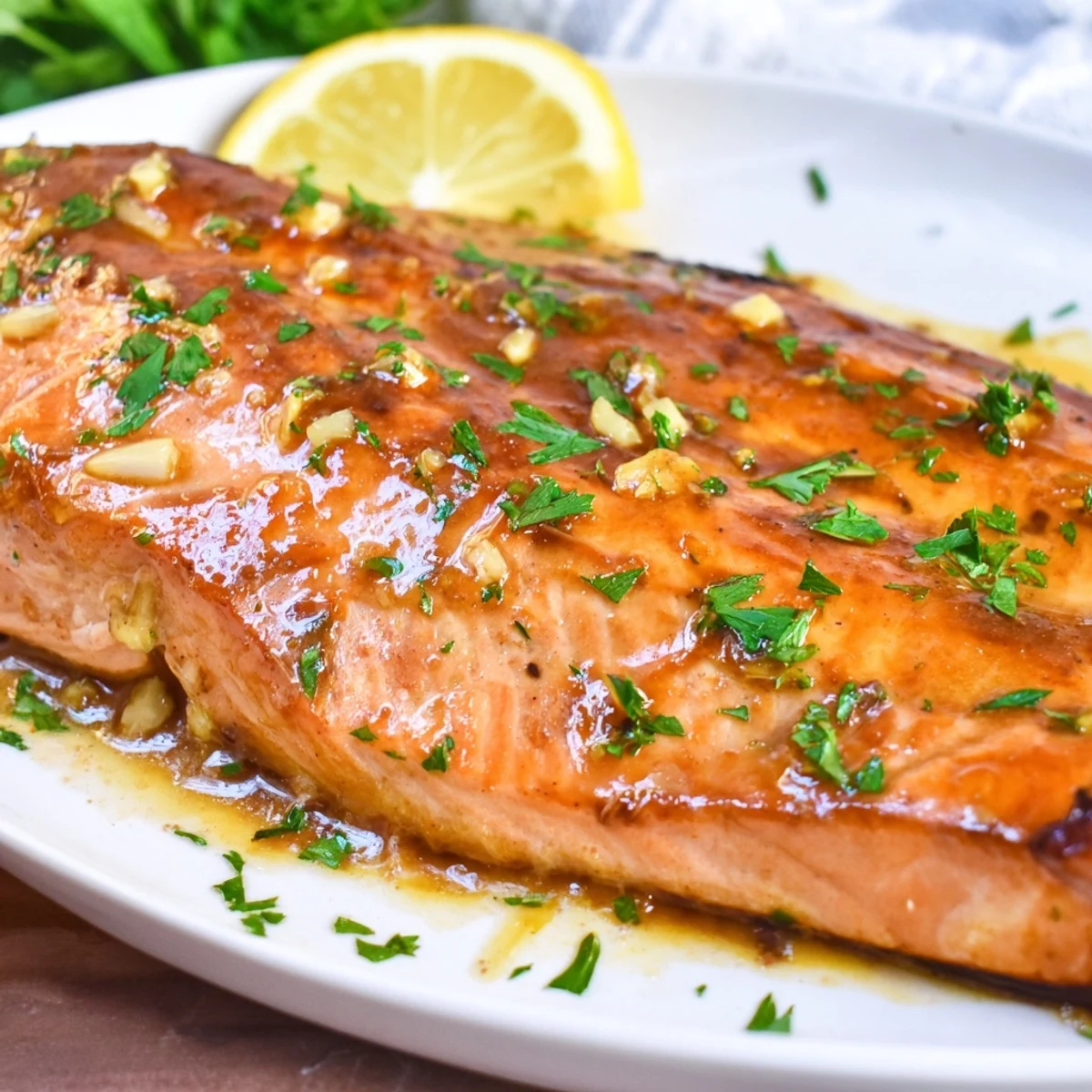
- The moment you pull it from the oven, brush the reserved glaze over each fillet while everything is still hot. This second application caramelizes slightly and builds flavor depth.
- Garnish and serve immediately:
- A scatter of fresh parsley or cilantro, a squeeze of lemon wedge, and dinner is ready to eat while it's still warm.
 Save to Pinterest
 The first time someone asked if I'd made it at a restaurant before serving this, I almost laughed. It's so simple that it feels like cheating, but that's exactly why it's become the dish I make when I actually want to impress without showing off.
Why This Glaze Works
The magic is in the balance—honey brings sweetness, soy adds umami and saltiness, lemon juice keeps everything bright and prevents it from tasting one-dimensional, and garlic gives it depth. Together, they create a glaze that tastes both comforting and sophisticated at the same time. I've tried swapping ingredients before, and nothing quite hits like this combination.
Timing and Temperature Matter
Baking at 400°F gives the salmon gentle, even heat so it cooks through without drying out, while staying low enough that the exterior doesn't burn. The 12 to 15 minute window is tight but forgiving if you're paying attention. I usually set a phone timer so I'm not guessing and wondering if it's done yet.
Serving and Storage
This dish tastes best fresh and warm, straight from the oven. If you're cooking for a crowd, the glaze actually improves if it sits for a few minutes, and the flavors settle deeper into the salmon. Leftovers keep in the fridge for two days and taste even better the next day cold or gently reheated.
- Pair with steamed rice, quinoa, or roasted vegetables for a complete meal.
- A crisp Sauvignon Blanc or Pinot Grigio complements the glaze beautifully if you're in the mood for wine.
- For extra caramelization and color, broil for one to two minutes right before serving—watch closely so the glaze doesn't burn.
 Save to Pinterest
 This recipe became a weeknight favorite because it proves that good food doesn't need complexity or hours in the kitchen. Make it once, and it'll probably become one of those dishes you find yourself craving on ordinary Tuesdays.
Recipe FAQs
- → How do I know when the salmon is done?
-
The salmon is done when it flakes easily with a fork and the internal temperature reaches 145°F.
- → Can I use maple syrup instead of honey?
-
Yes, maple syrup is a great substitute for honey in the glaze if you prefer a different flavor profile.
- → What sides go well with this salmon?
-
This pairs perfectly with steamed rice, quinoa, or roasted vegetables for a complete meal.
- → Can I broil the salmon?
-
Yes, broiling for the last 1-2 minutes adds extra caramelization to the glaze, but watch closely to prevent burning.
- → Is this dish gluten-free?
-
It can be gluten-free if you use tamari or certified gluten-free soy sauce instead of regular soy sauce.