
 Save to Pinterest
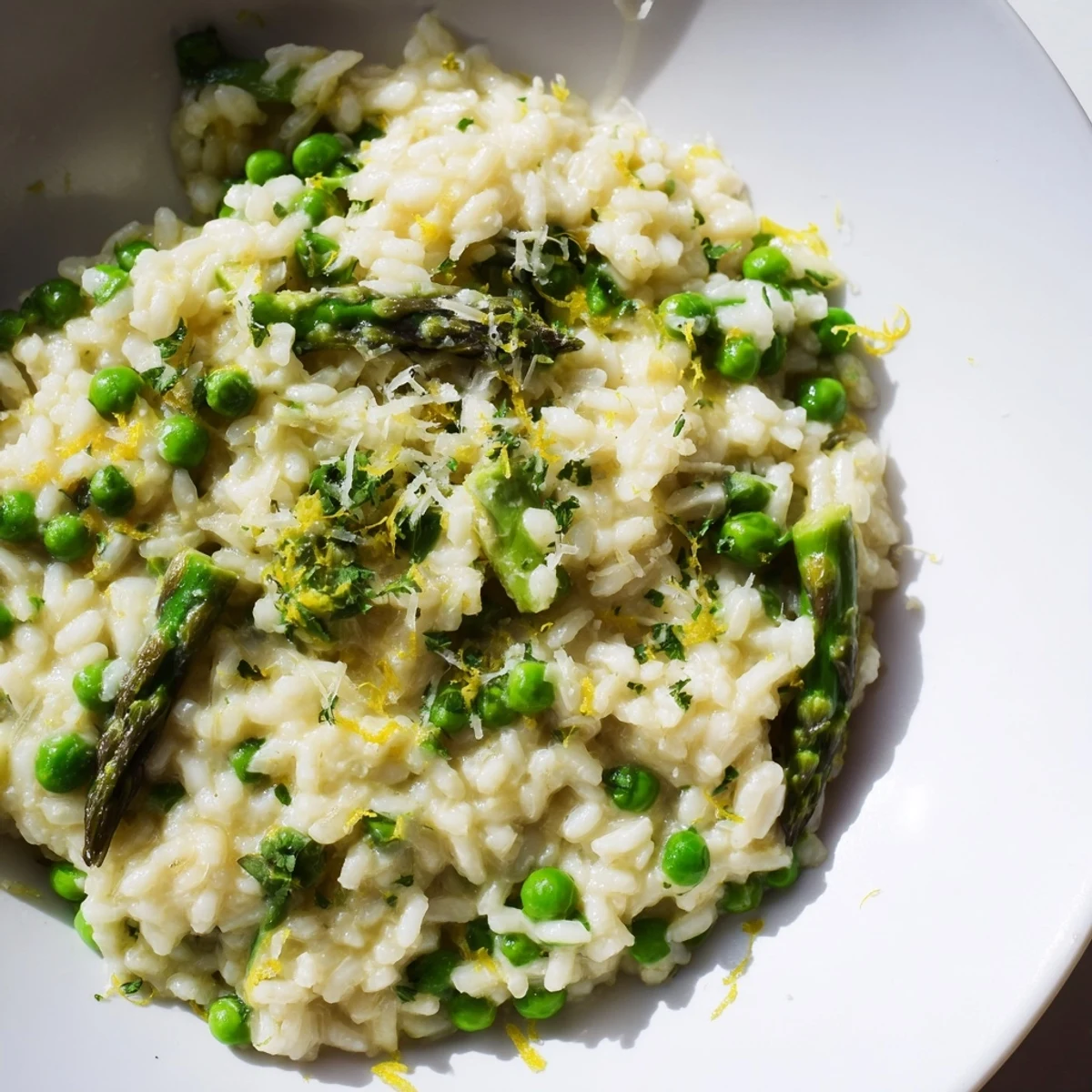
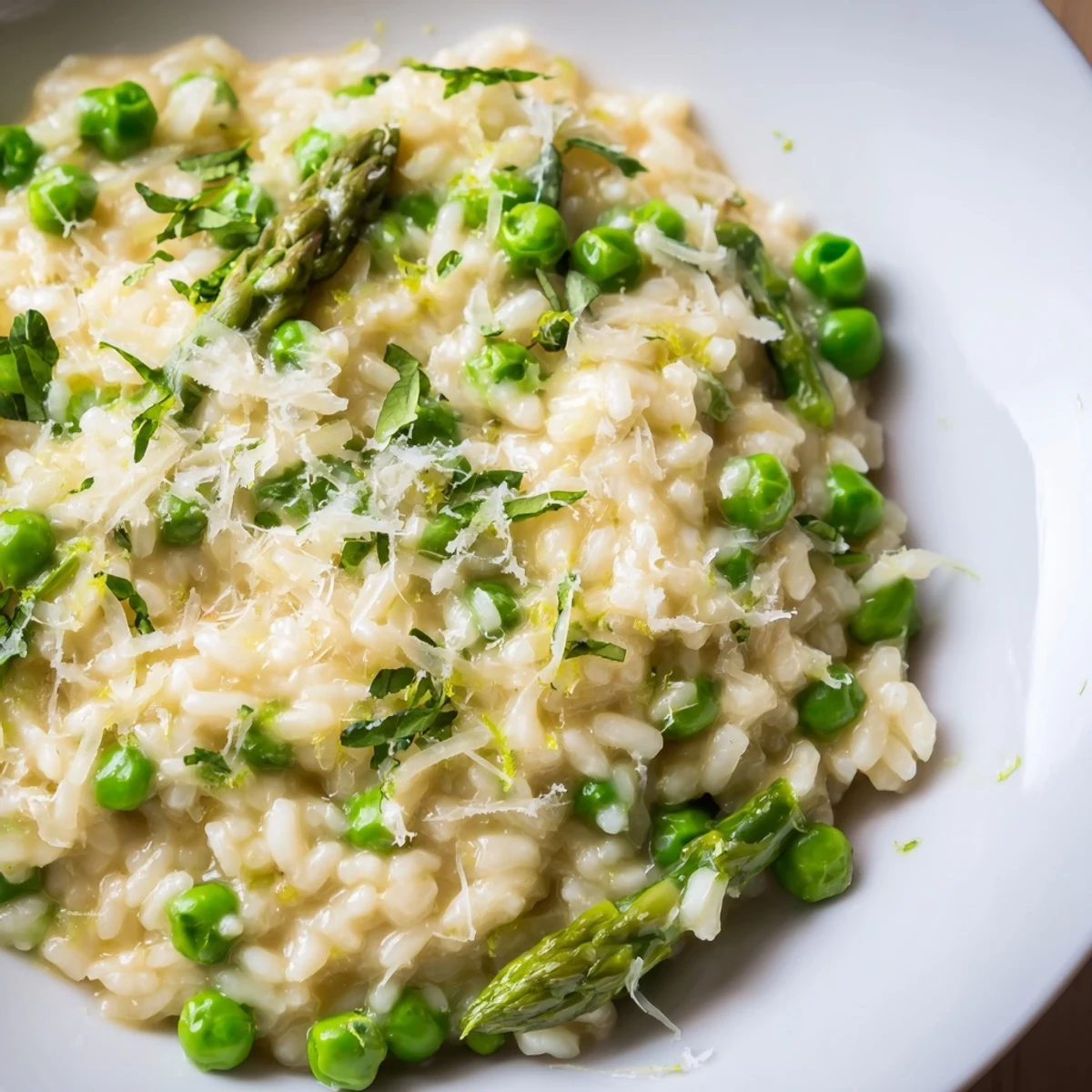
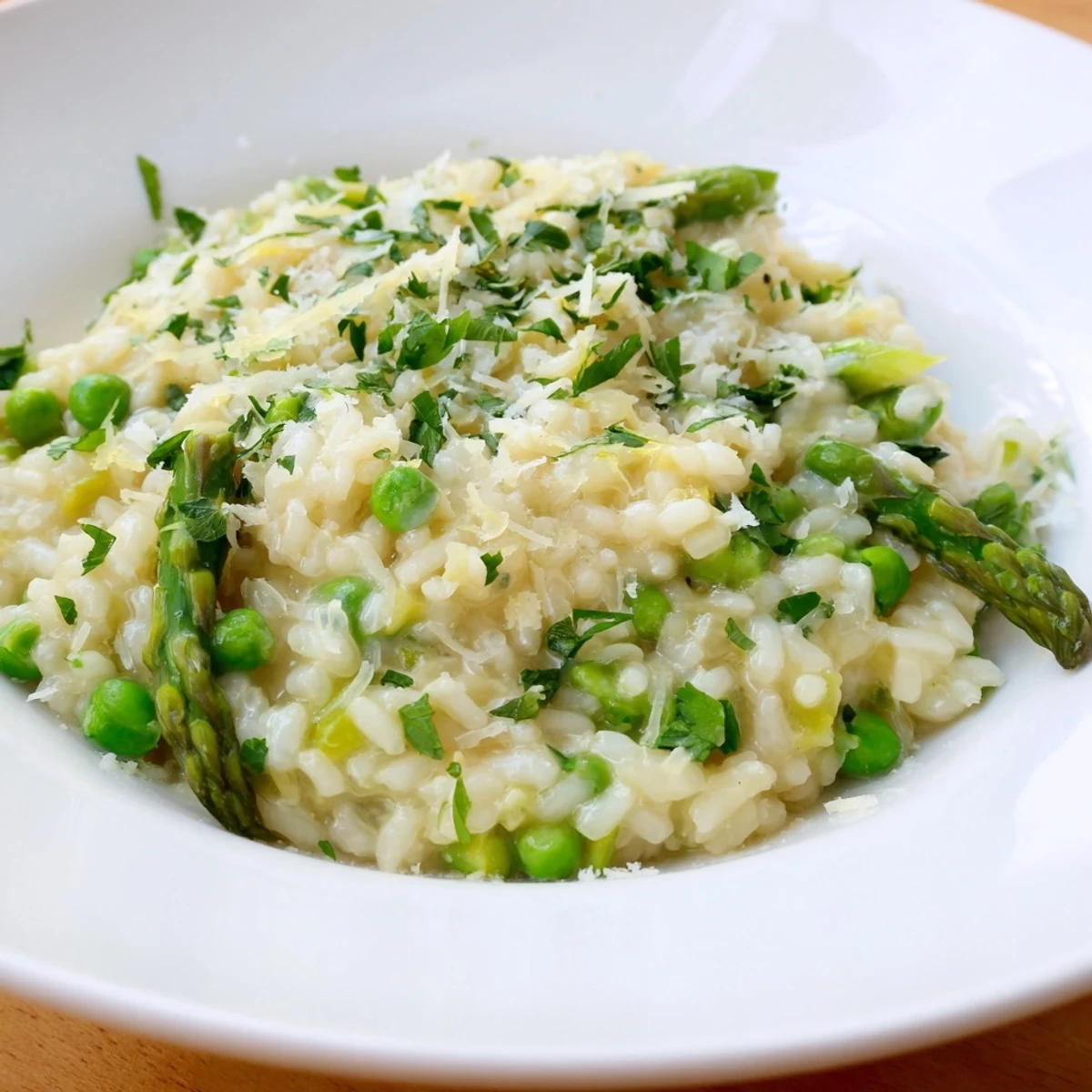
 This risotto blends tender spring peas and bright asparagus with creamy Arborio rice. The dish balances fresh flavors with Parmesan's richness, enhanced by a hint of lemon zest and parsley. Cooking involves slowly simmering rice with vegetable broth and white wine, then folding in steamed veggies toward the end. The final touch of butter and cheese creates a smooth, luxurious texture that pairs well with fresh herbs.
Perfect for a vegetarian main or side, this Italian-inspired dish brings vibrant colors and comforting creaminess in every bite.
The first time I made risotto, I stood at the stove for forty-five minutes straight, convinced I had done something wrong because it looked so soupy. My roommate walked through the kitchen, glanced at my pot, and said, "That's exactly how my Italian grandmother makes it." Those words saved dinner.
Last spring, I made this for a dinner party when the farmers market had just started carrying those first precious peas and slender asparagus stalks. My friend Sarah, who claims to be incapable of cooking anything beyond toast, watched me stir and said, "I need to learn this." We ended up making three batches that season together.
Ingredients
- Arborio rice: This short-grain rice releases all that starch that makes risotto creamy—regular rice just wont give you that luxurious texture
- Asparagus: Look for firm, bright green stalks and snap off the woody ends where they naturally break
- Spring peas: Fresh ones are sweet and pop in your mouth, but frozen work beautifully when theyre out of season
- Vegetable broth: Keep it warm in a separate pot—adding cold broth shocks the rice and ruins the texture
- White wine: Something dry and crisp adds depth, but you can skip it and use more broth if needed
- Parmesan: Buy a wedge and grate it yourself—pre-grated cheese has anti-caking agents that prevent it from melting properly
- Lemon zest: This brightens everything and cuts through the richness, making each bite feel lighter
Instructions
- Warm your broth:
- Keep the vegetable broth at a gentle simmer in a saucepan, adding cold broth to hot rice will halt the cooking process.
- Build your foundation:
- Heat olive oil in a heavy-bottomed pan over medium heat, cook the onion until it turns translucent and soft, then add garlic for just a minute—you dont want it to brown.
- Toast the rice:
- Stir in the Arborio rice and let it cook for about two minutes until the grains look slightly translucent around the edges and smell nutty.
- Wine time:
- Pour in the white wine and stir until it almost disappears, this deglazes the pan and adds a layer of flavor.
- The ritual of stirring:
- Add warm broth one ladle at a time, stirring frequently and letting each addition absorb before adding more—this constant agitation releases the rice's starch.
- Prep your vegetables:
- While the rice cooks, blanch the asparagus for two to three minutes until bright green, then add the peas for just one minute—set them aside.
- Bringing it together:
- When the rice is creamy but still has a slight bite, stir in the vegetables, lemon zest, and parsley for two final minutes.
- The finishing touch:
- Remove from heat and fold in the butter and Parmesan until melted—this step is non-negotiable for that restaurant-quality finish.
 Save to Pinterest
 This recipe became my go-to for celebrating small victories—first garden harvests, promotions, friends making it through tough weeks. Something about the rhythm of stirring feels meditative, like you're putting something good into the world with each turn of the spoon.
Getting That Restaurant Texture
The difference between good risotto and great risotto often comes down to timing and patience. I've learned that rushing the broth additions or skipping that final rest off the heat means missing out on the velvety consistency that makes this dish so special.
Choosing the Right Pan
A heavy-bottomed Dutch oven or wide skillet distributes heat evenly and prevents hot spots that can scorch the rice. I used to make risotto in a thin pot and always ended up with inconsistent texture—upgrading my cookware made an immediate difference.
Serving Suggestions and Pairings
Risotto is surprisingly versatile and can stand alone as a main or play supporting role alongside grilled fish or roasted chicken. The key is serving it immediately while that texture is at its peak.
- A crisp white wine like Sauvignon Blanc cuts through the richness beautifully
- Simple arugula salad with lemon vinaigrette balances the creamy risotto
- Crusty bread is essential for soaking up every last bit from the bowl
 Save to Pinterest
 There's something deeply satisfying about a dish that asks you to stay present, to stir and watch and wait. Maybe that's why this recipe always finds its way back to my table, season after season.
Recipe FAQs
- → How do I achieve the perfect risotto texture?
-
Slowly ladle warm broth into the rice, stirring frequently to release starch. Keep adding liquid only after absorption to ensure creamy, al dente grains.
- → Can I use frozen peas instead of fresh?
-
Yes, frozen peas work well and can be added during the last minute of cooking to retain their bright color and tenderness.
- → What is the best way to cook the asparagus for this dish?
-
Steam or blanch asparagus pieces for 2-3 minutes until tender but vibrant green, then add to the risotto near the end of cooking.
- → How can I make this dish vegan-friendly?
-
Substitute plant-based butter and omit the cheese or use vegan cheese alternatives to maintain creaminess without dairy.
- → Which wines pair well with this dish?
-
Light, crisp whites like Sauvignon Blanc or Pinot Grigio complement the fresh flavors and creamy texture beautifully.