
 Save to Pinterest
 These classic Italian treats feature pillowy fried dough rounds generously filled with luscious vanilla pastry cream. The dough develops its signature light texture through a careful rising process, while the custard-like filling delivers rich, creamy sweetness in every bite. Best enjoyed warm, freshly rolled in sugar, these beloved breakfast staples pair perfectly with espresso or cappuccino for an authentic Italian café experience at home.
My tiny apartment kitchen in Florence smelled like heaven for days after I first attempted these. An Italian grandmother on the third floor caught me sneaking the dough out of the bowl and just winked.
Sunday mornings became sacred after that first batch. My roommates would hover around the fryer like hungry sharks, waiting for the golden ones to surface. We ate them standing up, fingers sticky with sugar, espresso cups in hand.
Ingredients
- 500g all-purpose flour: The foundation of that pillowy texture we are chasing
- 60g granulated sugar: Just enough sweetness to balance the rich filling
- 7g instant dry yeast: One packet is perfect for this amount of flour
- 200ml whole milk lukewarm: Temperature matters for waking up the yeast properly
- 60g unsalted butter softened: Creates those tender air pockets inside
- 2 large eggs: Adds structure and richness to the dough
- 1 tsp vanilla extract: Pure vanilla makes everything taste better
- 1/2 tsp salt: Do not skip this it balances all the sweetness
- Zest of 1 lemon: Brightens the entire dough with subtle floral notes
- 500ml whole milk for pastry cream: Full fat creates that luxurious texture
- 4 large egg yolks: Save the whites for meringue or breakfast
- 100g granulated sugar for cream: Sweetens the filling without being cloying
- 40g cornstarch: This is what makes the cream thicken beautifully
- 1 tsp vanilla extract for cream: The backbone of classic pastry cream flavor
- Zest of 1/2 lemon: A whisper of citrus keeps the cream fresh tasting
- 30g unsalted butter: Finishes the cream with silkiness
- Vegetable oil for frying: Neutral flavor lets the doughnut shine
- 100g granulated sugar for coating: That signature crunch on the outside
Instructions
- Make the dough base:
- Combine flour sugar yeast and salt in your largest bowl. In another bowl whisk the lukewarm milk eggs vanilla and lemon zest until blended.
- Bring it together:
- Pour the wet mixture into the dry ingredients and mix until shaggy. Add the softened butter and knead for eight to ten minutes until the dough feels like soft velvety earlobes.
- Let it rise:
- Cover the bowl with a damp towel and find the warmest corner of your kitchen. Wait one to one and a half hours until the dough has doubled in size.
- Start the pastry cream:
- Heat the milk with lemon zest in a saucepan until you see tiny bubbles around the edges. Whisk egg yolks sugar and cornstarch in a bowl until pale and smooth.
- Temper and thicken:
- Slowly stream hot milk into the yolks while whisking furiously. Return everything to the pan and cook over medium heat stirring constantly until it thickens like pudding.
- Chill completely:
- Stir in vanilla and butter then press plastic wrap directly onto the surface. Refrigerate for at least an hour or until fully cold.
- Shape the rounds:
- Punch down the dough and roll to one and a half centimeters thick on a floured surface. Cut circles with a six or seven centimeter cutter and let them rise again for thirty to forty minutes.
- Fry to perfection:
- Heat oil to 170 degrees Celsius and fry the bomboloni in batches for two to three minutes per side. They should turn deep golden brown and puff up beautifully.
- Sugar while warm:
- Let them drain briefly on paper towels then immediately roll in granulated sugar. The warmth helps the sugar adhere perfectly.
- Fill them generously:
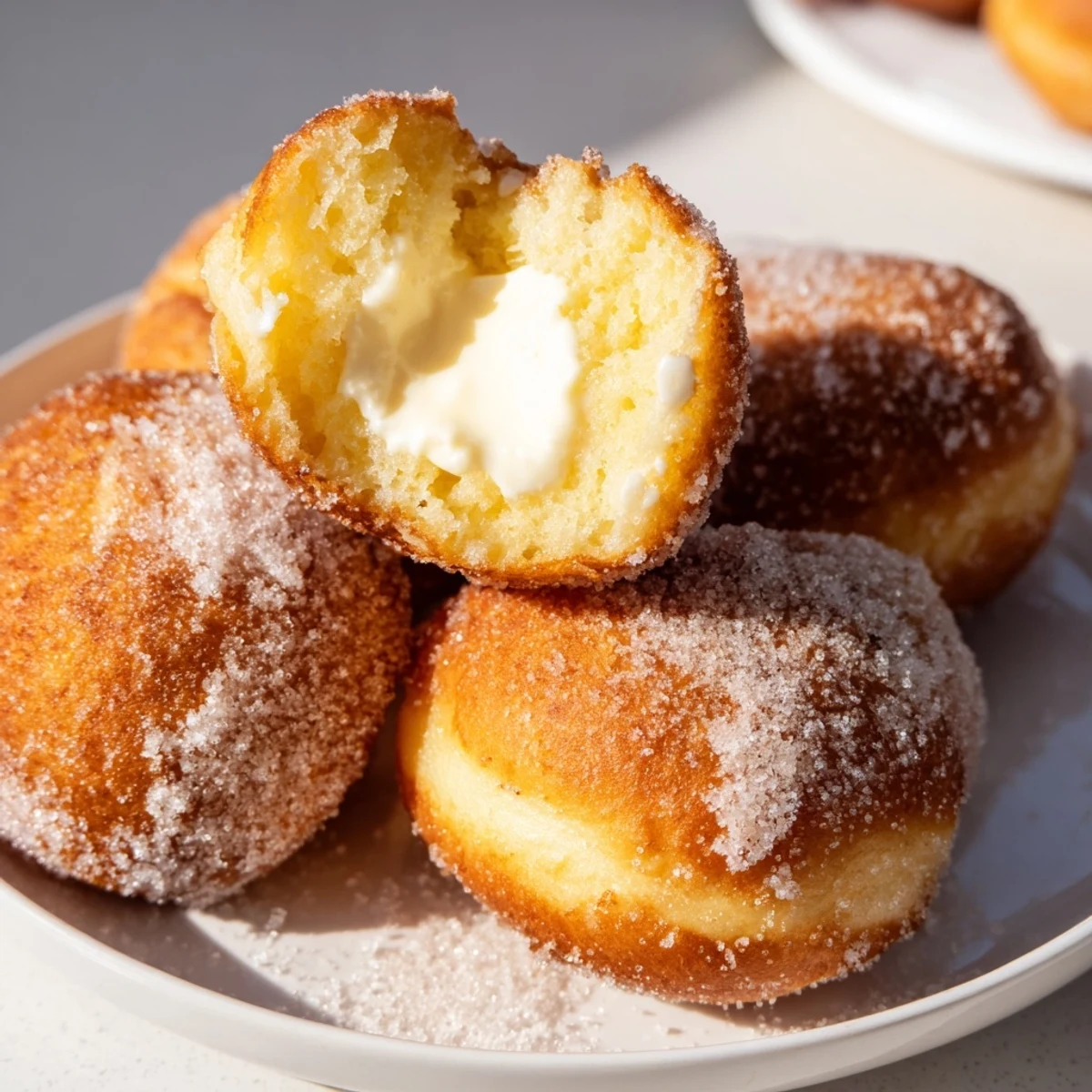
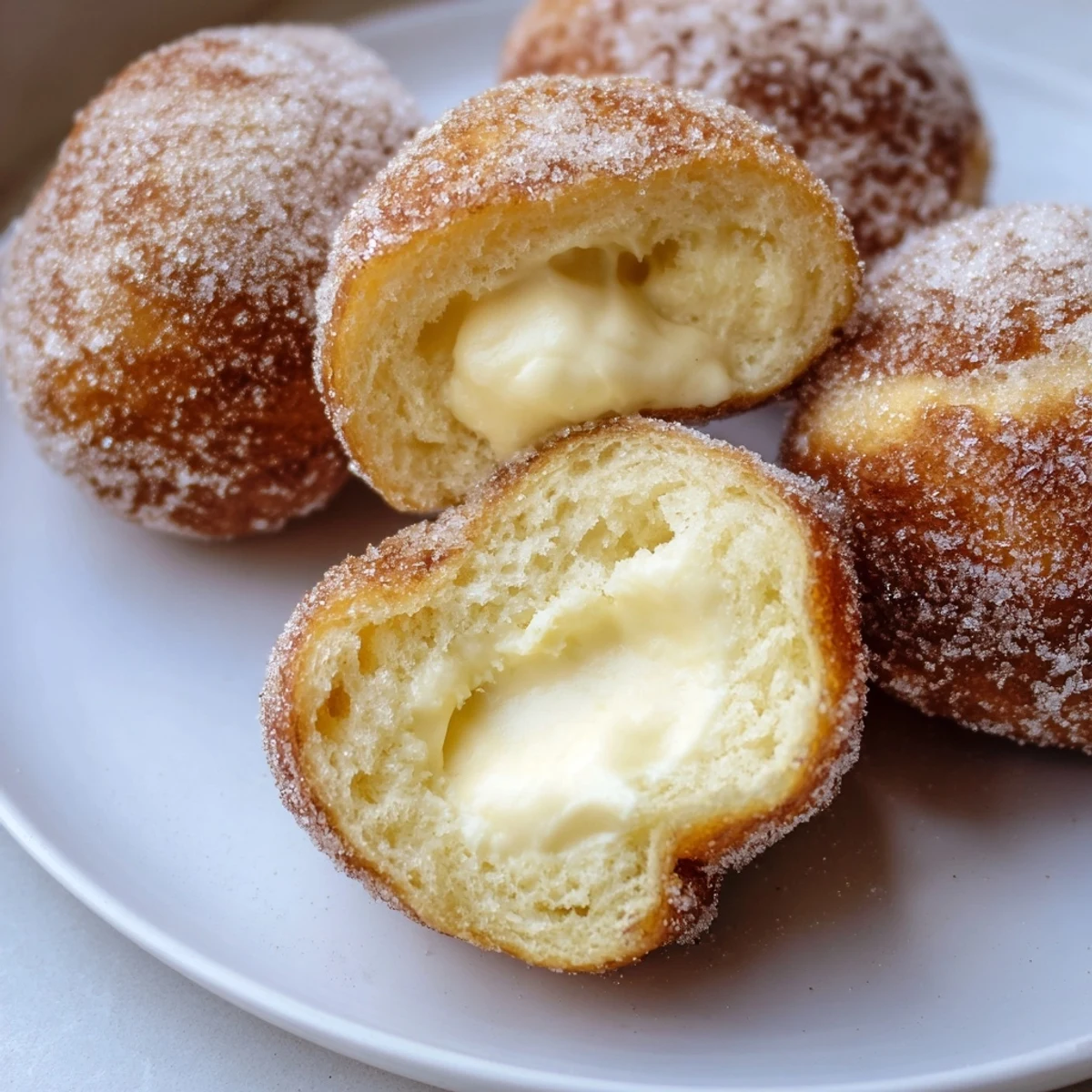
- Poke the piping bag nozzle into the side of each bombolone and fill until you feel slight resistance. Be generous with that cream.
 Save to Pinterest
 These became my go-to when friends needed cheering up or when Sunday felt too ordinary. Something about warm doughnuts and espresso fixes almost anything.
The Art of Frying
I learned that 170 degrees is the sweet spot between raw and burnt. Too cold and they soak up oil like sponges too hot and the outside burns before the inside cooks through. A thermometer takes all the guesswork out of the equation.
Filling Secrets
The long nozzle changed everything for me. It reaches deep into the center without making obvious holes. Some people fill from the bottom but I prefer the side. Both work perfectly as long as you get that cream inside.
Timing Matters
Serve these within an hour of frying for that signature crunch. The sugar starts to melt after that turning into a lovely glaze but the texture changes completely. Plan your breakfast or afternoon break accordingly.
- Have your piping bag ready before you start frying
- Keep the filling moving to prevent air pockets
- Serve immediately for the full experience
 Save to Pinterest
 There is nothing quite like biting into a warm bombolone fresh from the fryer. Make them for someone you love.
Recipe FAQs
- → What makes bomboloni different from regular doughnuts?
-
Bomboloni feature a lighter, yeast-risen dough similar to brioche rather than the cake-like texture of American doughnuts. They're typically filled after frying rather than having jelly injected during preparation, and the smooth vanilla pastry cream creates a more luxurious filling experience.
- → How do I know when the oil is at the right temperature?
-
Use a kitchen thermometer to maintain 170°C (340°F). If you don't have one, test by dropping a small piece of dough into the oil—it should sizzle immediately and rise to the surface steadily without browning too quickly. Oil that's too hot will burn the outside before cooking through.
- → Can I make the dough ahead of time?
-
Absolutely. Prepare the dough through the first rise, then refrigerate overnight for deeper flavor development. Let it come to room temperature before rolling and cutting. The pastry cream can also be made up to two days ahead and stored in the refrigerator.
- → What's the best way to fill the bomboloni without tearing them?
-
Use a piping bag fitted with a long, narrow nozzle (Bismarck tip). Insert the nozzle into the side or bottom of each cooled doughnut, gently pushing about halfway through. Squeeze slowly until you feel slight resistance, indicating the cavity is filled. Handle gently to avoid splitting the delicate fried exterior.
- → Why did my doughnuts turn out dense or heavy?
-
Dense texture usually results from under-kneading, insufficient rising time, or frying oil that's too cool. Ensure the dough passes the windowpane test when kneaded, let it double in volume during rises, and maintain proper oil temperature. Overworking the dough when cutting can also deflate it.
- → Can I bake these instead of frying?
-
While traditional bomboloni are fried, you can bake them at 190°C (375°F) for 12-15 minutes. Brush with melted butter before baking and immediately after. Note that baked versions will have a bread-like texture rather than the characteristic crispy exterior and soft interior of fried ones.