
 Save to Pinterest
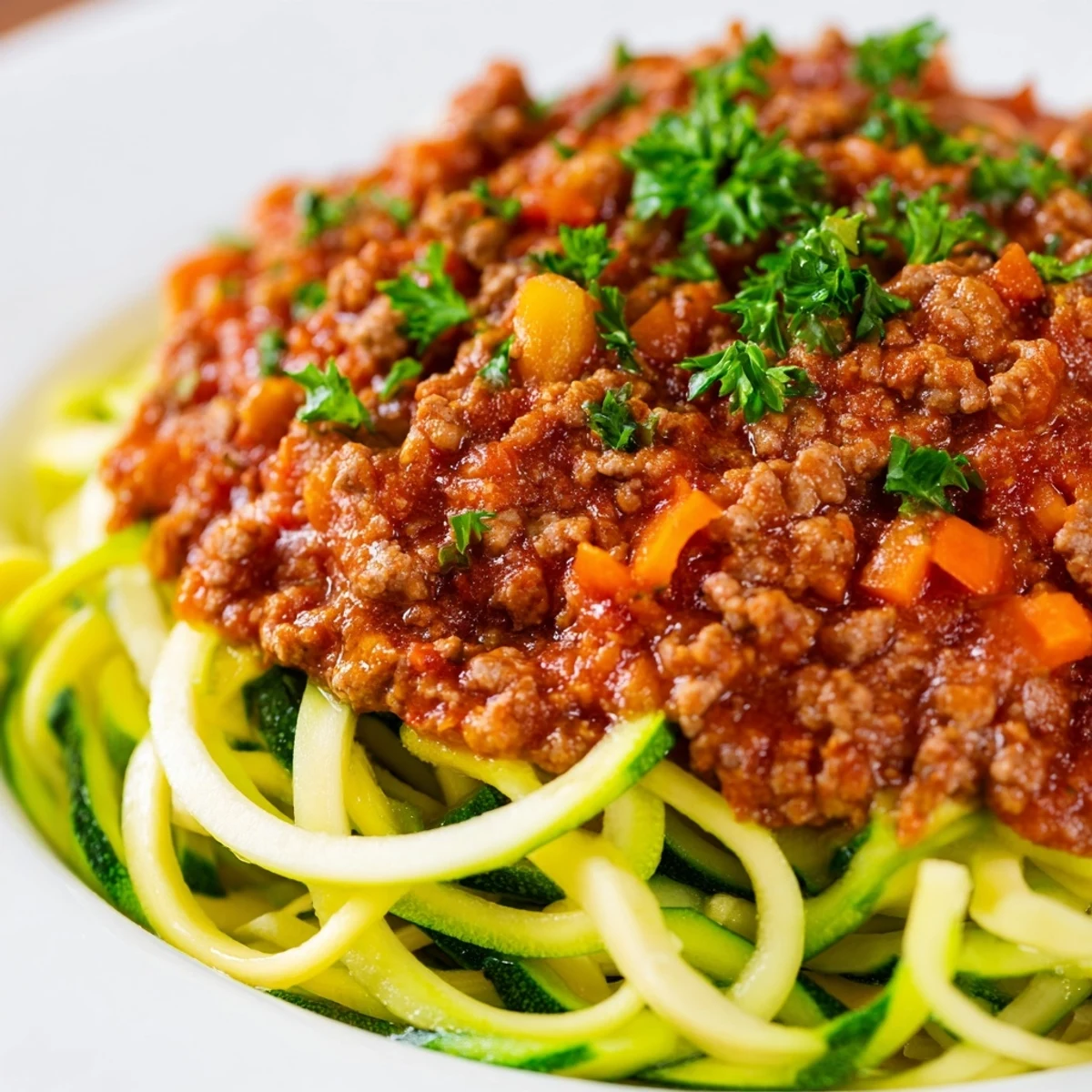
 This dish reimagines the traditional hearty meat sauce by using lean ground turkey, resulting in a lighter yet satisfying meal. The sauce is slowly simmered with aromatic vegetables and crushed tomatoes to develop deep flavor. It is served over tender spiralized zucchini, offering a low-carb alternative to pasta that soaks up the savory sauce beautifully.
I discovered turkey Bolognese by accident one weeknight when I was standing at the butcher counter debating between the usual ground beef and something lighter. The butcher mentioned he'd been using ground turkey for his own family dinners, and something about the way he said it—practical, not preachy—made me curious. That first pot simmering on my stove smelled exactly like my grandmother's kitchen, but brighter somehow, less heavy. I spiralized zucchini on a whim because I had three sitting on my counter, and the moment those tender noodles hit the plate with that rich sauce, I knew I'd found something worth making again and again.
I made this for my running group after a long Saturday morning, and watching people go back for seconds while raving about how it didn't feel like diet food was oddly validating. One friend asked if it was actually turkey—she'd expected it to taste lean and disappointing, and instead found it was complex and deeply savory. That's when I realized the real magic wasn't in swapping ingredients for lighter ones; it was in actually respecting each component enough to let it shine.
Ingredients
- Lean ground turkey: The backbone of this sauce; it's leaner than beef but still develops that caramelized, umami-rich flavor if you give it a little patience in the pan.
- Zucchini, spiralized: These become silky and tender, soaking up every bit of sauce without turning mushy if you cook them separately and briefly.
- Yellow onion, carrot, and celery: This holy trinity is the aromatic foundation—don't skip the step of softening them first, as it builds layers of flavor.
- Garlic: Mince it finely and add it after the soffritto so it doesn't burn and turn bitter.
- Crushed tomatoes and tomato paste: The paste concentrates tomato flavor in one bold move; the crushed tomatoes give body and acidity.
- Chicken broth: Low-sodium is key so you control the salt; this adds savory depth without overpowering the tomatoes.
- Olive oil: Good quality matters here since it's not being cooked away—it carries flavor and helps things brown properly.
- Oregano, basil, and thyme: Dried herbs work beautifully in long-simmering sauces; they have time to unfurl and infuse.
- Red pepper flakes: A whisper of heat that wakes up the whole sauce without making it spicy.
- Fresh parsley: A bright, fresh garnish that cuts through richness and looks intentional on the plate.
Instructions
- Build your flavor base with the soffritto:
- Heat olive oil over medium heat and add the chopped onion, carrot, and celery together. Let them soften for 5 to 6 minutes, stirring now and then, until the onion turns translucent and the whole mixture smells sweet and mellow. This is where patience pays off—you're not rushing, you're building.
- Wake it all up with garlic:
- Add the minced garlic and cook for just 1 minute, stirring constantly so it perfumes the oil without burning. You'll know it's ready when the smell hits you and makes you pause.
- Brown the turkey with intention:
- Add the ground turkey and break it up with a spoon as it cooks for 6 to 8 minutes, stirring occasionally. You want it to brown in spots and lose its pink color completely, creating small, caramelized bits that add texture and depth to the sauce.
- Deepen with tomato paste:
- Stir in the tomato paste and let it cook for 1 minute, coating everything in glossy red. This brief cook step mellows any sharpness and helps the paste caramelize slightly into the oil and meat.
- Build the sauce with tomatoes and broth:
- Add the crushed tomatoes, chicken broth, oregano, basil, thyme, and red pepper flakes if using. Season with salt and pepper to taste, stirring to combine everything evenly. The sauce should look vibrant and alive.
- Let it simmer and develop:
- Reduce heat to low and let the sauce simmer uncovered for 25 to 30 minutes, stirring occasionally. As it simmers, the flavors marry, the sauce thickens, and the turkey becomes tender and integrated. You'll notice the smell changing, becoming more complex and less raw.
- Cook the zucchini noodles with care:
- In the last few minutes of sauce time, heat a large nonstick skillet over medium-high heat. Add the spiralized zucchini and toss gently for 2 to 3 minutes until just tender but still with a slight firmness. Don't let them sit in the pan too long or they'll release water and become limp.
- Plate and finish:
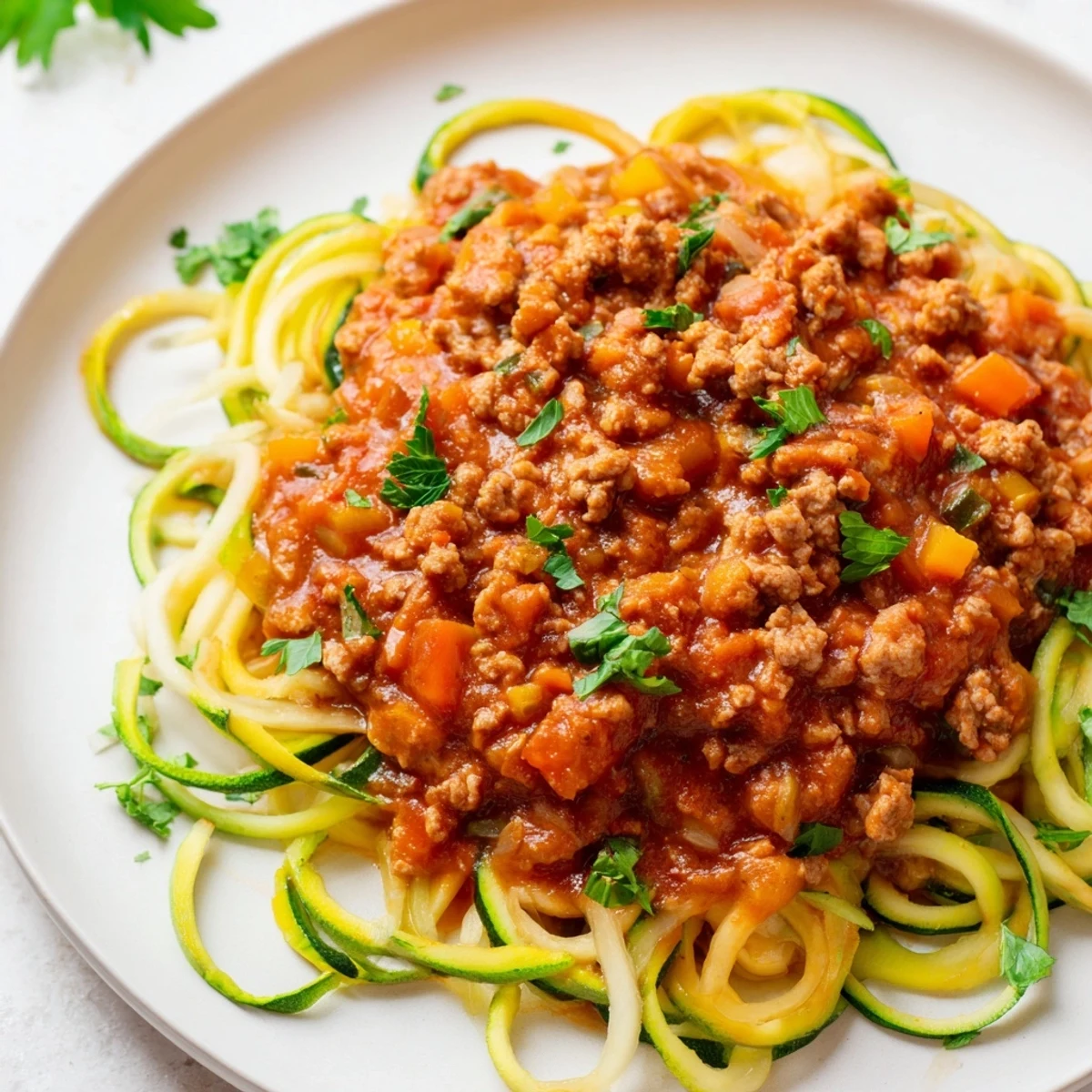
- Divide the zucchini noodles among plates, spoon the turkey Bolognese over top, and scatter fresh parsley across each plate. Serve immediately while everything is warm and the noodles still have their texture.
 Save to Pinterest
 The first time someone asked me for the recipe, I realized this dish had quietly become a regular in my rotation—the kind of meal that feels indulgent but doesn't leave you sluggish afterward. There's something powerful about a dish that doesn't make you choose between how it tastes and how it makes you feel.
The Turkey Question
Ground turkey has a reputation for being bland and dry, which is completely unfair to the meat itself. The real secret is treating it with the same respect you'd give to beef—let it brown properly, build flavor around it with aromatic vegetables, and let it simmer long enough to absorb all those good notes from the sauce. I've found that ground turkey actually takes on flavors more readily than beef because of its milder base, so the tomatoes, herbs, and garlic can really shine through. If you're skeptical, make this once and taste the difference between a turkey Bolognese and the canned stuff.
Why Spiralized Zucchini Works Here
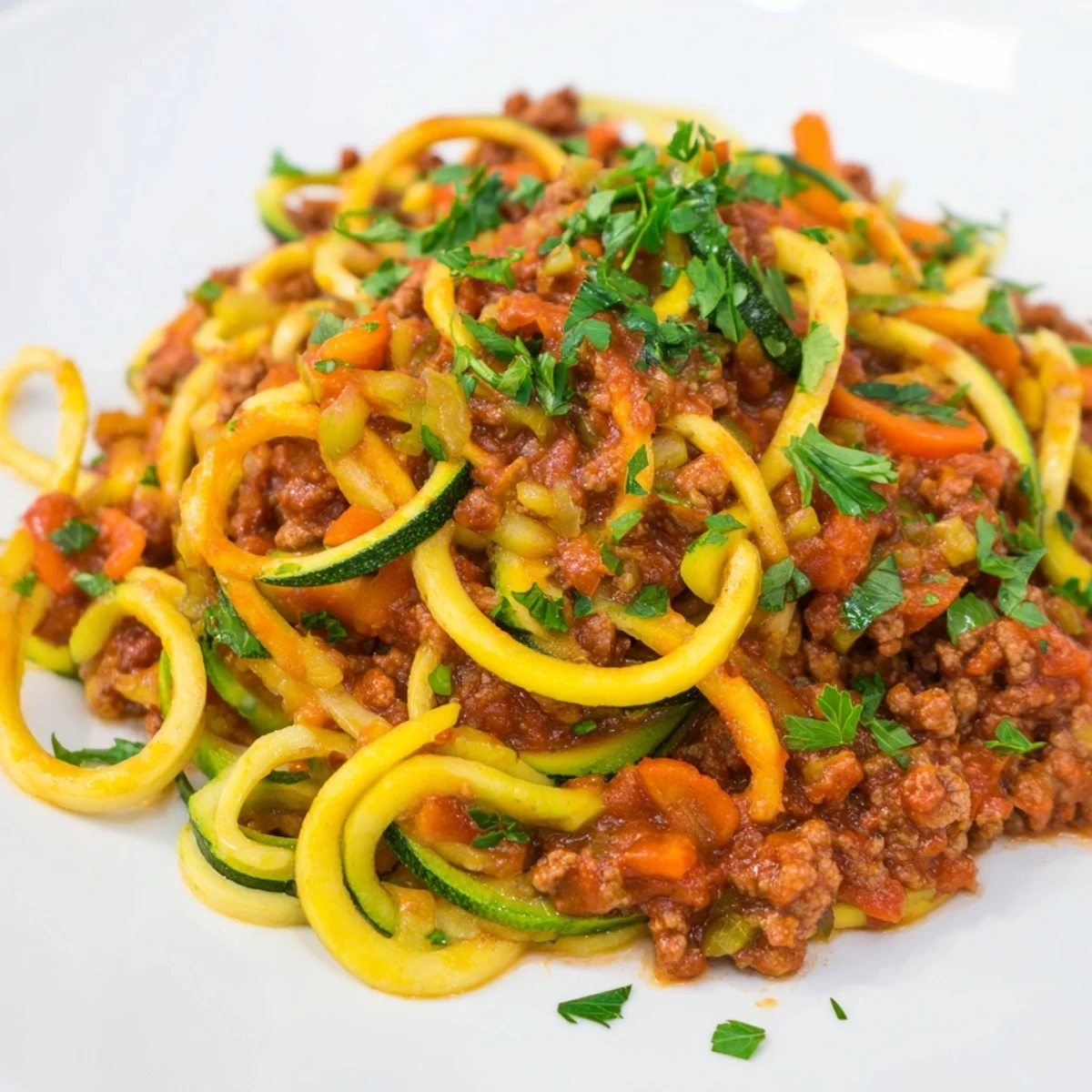
Zucchini noodles aren't just about cutting carbs—they're genuinely delicious when treated right. The thin strands cook quickly and have a tender, almost silky texture that catches and holds the sauce beautifully. Unlike regular pasta, they don't get heavy or bloated; instead, they stay light and let the sauce take center stage. I've learned to cook them separately and briefly so they stay just barely tender, with a slight firmness that prevents them from becoming mushy. If you've tried zucchini noodles before and found them watery and disappointing, I'm guessing they were either spiralized too far in advance or cooked too long in the sauce.
Making It Your Own
This recipe is designed to be flexible without losing its soul, so you can adjust it based on what you have and what you love.
- A splash of dry red wine stirred in with the tomato paste adds a subtle depth and slight acidity that's really lovely.
- If you have fresh basil on hand, reserve some to stir in at the end for a brighter flavor that survives the simmer.
- Swap in ground chicken if you prefer it, though you might need to add the broth slightly earlier since chicken is leaner and can dry out if overcooked.
 Save to Pinterest
 This is the kind of meal that feels like you're taking care of yourself without any of the sacrifice. Once you've made it a few times, it becomes something you turn to without thinking, and that's when you know it's really worked its way into your kitchen.
Recipe FAQs
- → Can I use a different vegetable?
-
Yes, spaghetti squash is a great alternative to spiralized zucchini for this dish.
- → How do I keep zucchini noodles from getting soggy?
-
Cook the zucchini noodles briefly over medium-high heat just until tender to avoid excess moisture.
- → Can I add alcohol to the sauce?
-
Adding a splash of red wine when you incorporate the tomato paste adds depth and richness.
- → Is the turkey sauce freezer-friendly?
-
The sauce freezes very well. Allow it to cool completely before storing in airtight containers.
- → Can I substitute the ground turkey?
-
Ground chicken or lean ground beef can be used instead of turkey depending on your preference.