
 Save to Pinterest
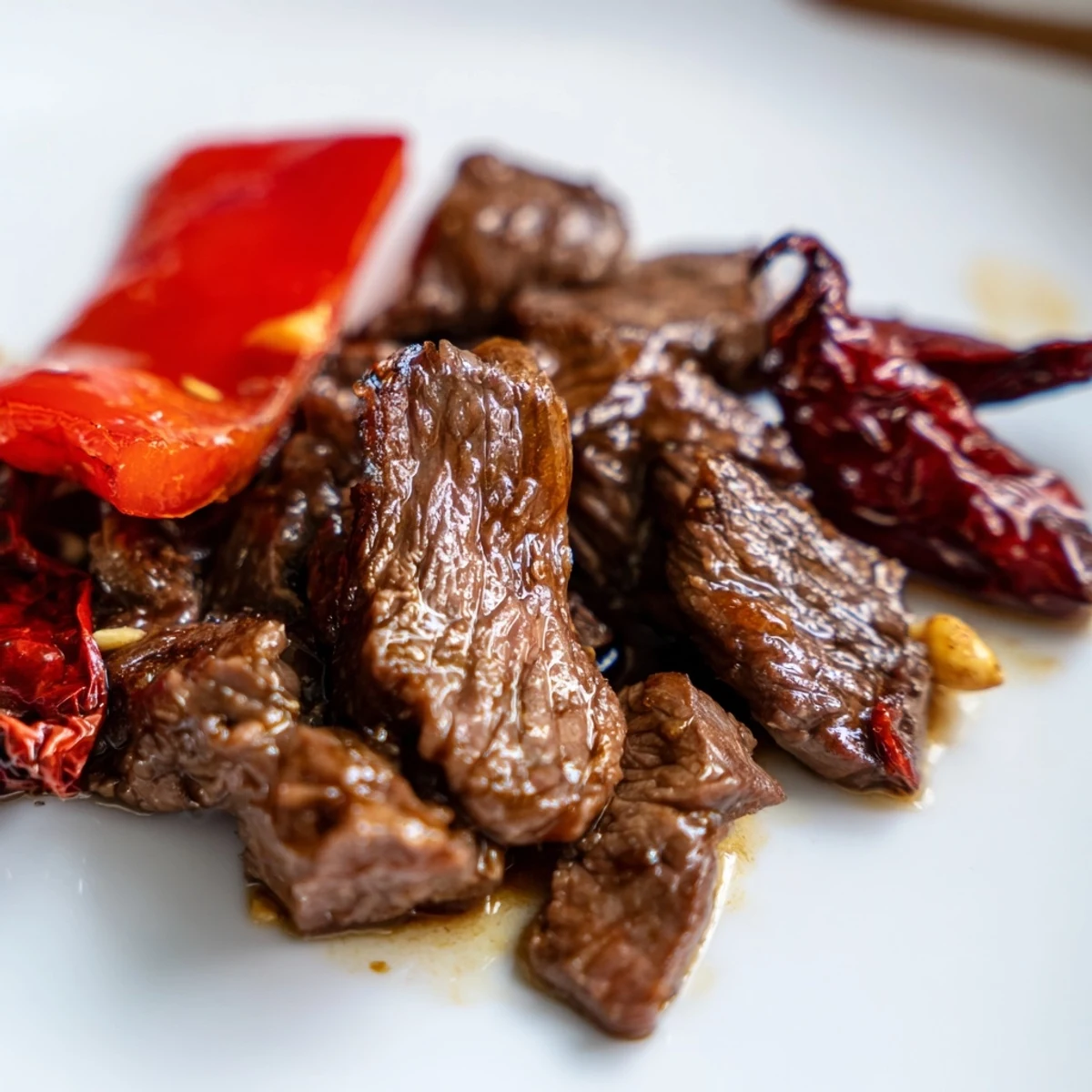
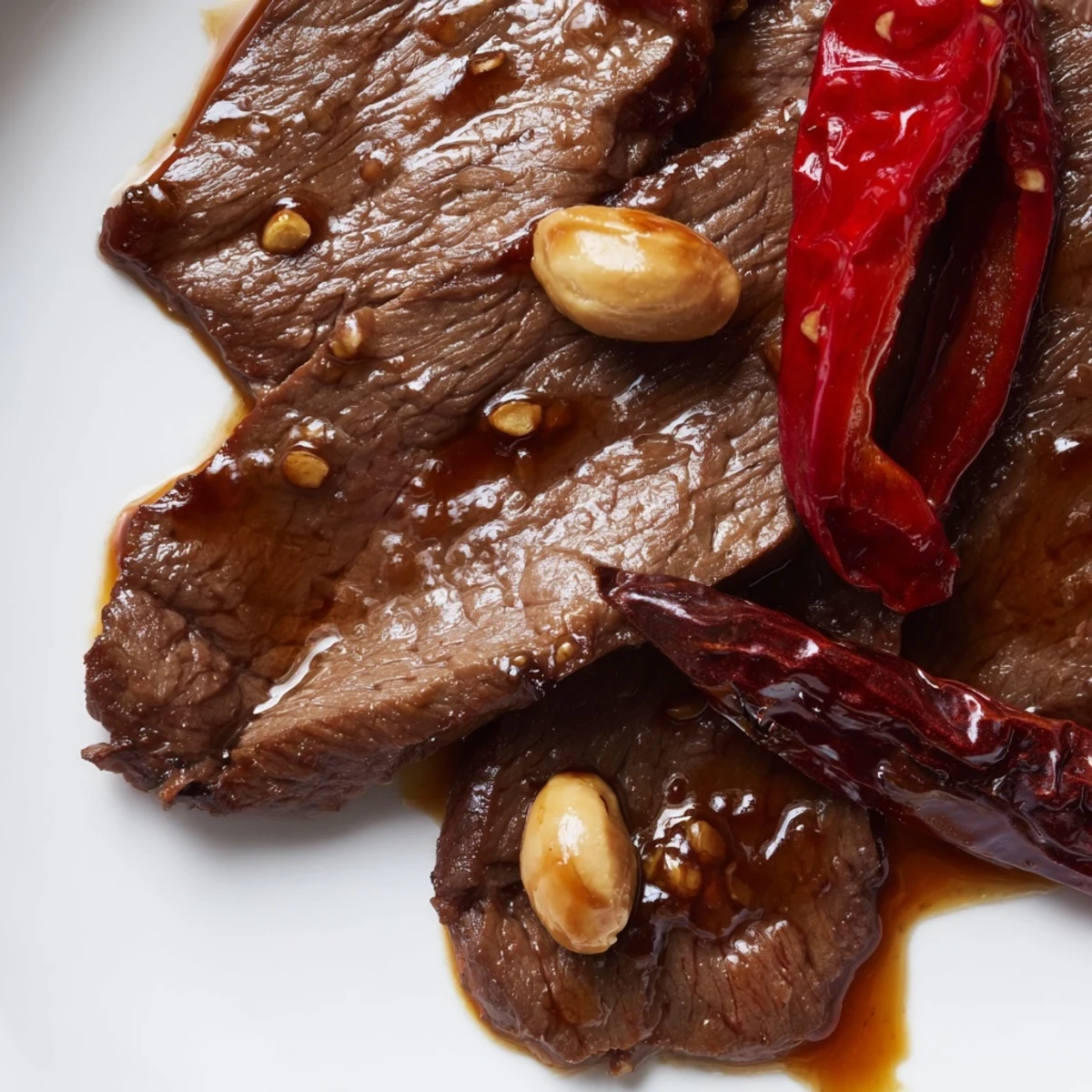
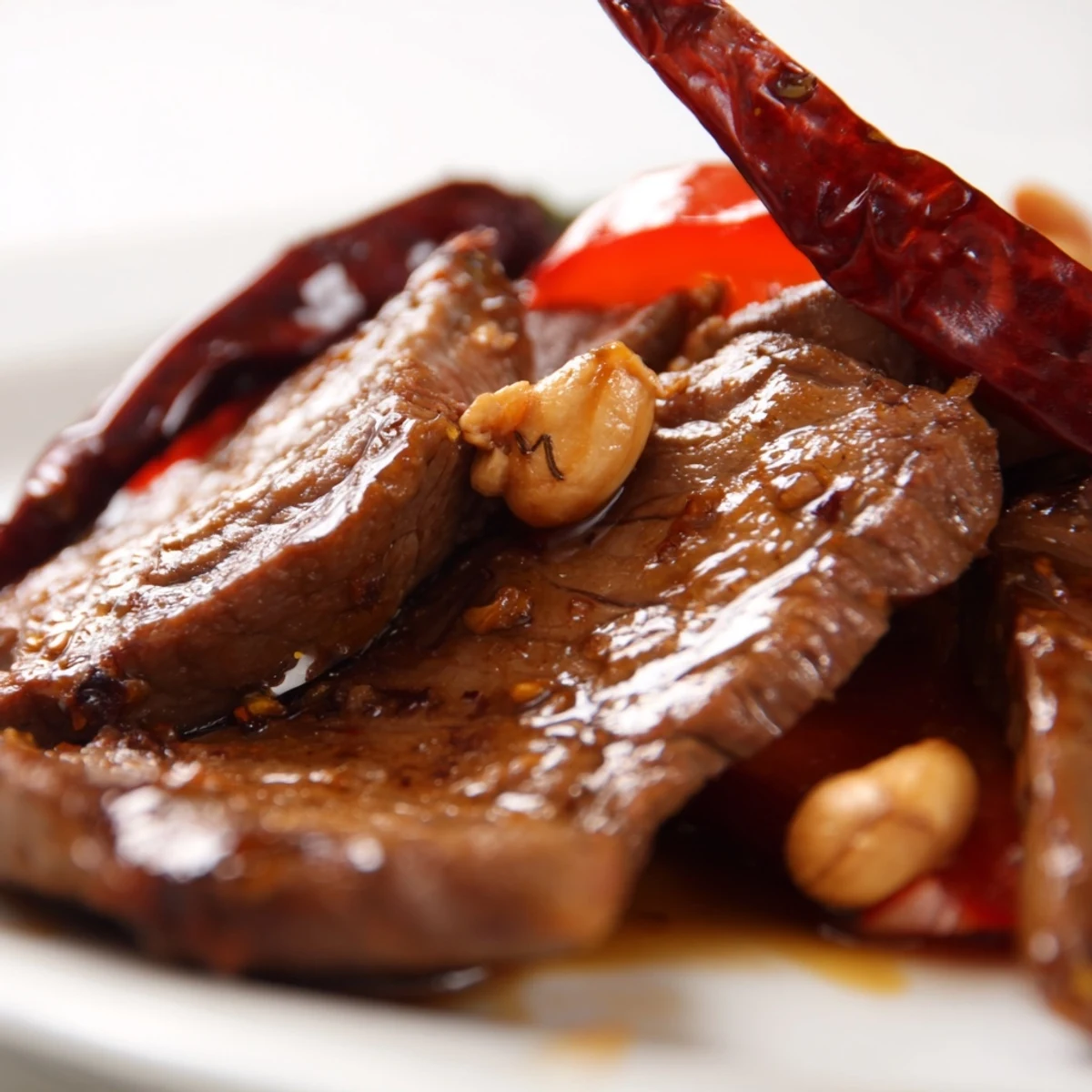
 This bold Szechuan-style dish features tender slices of marinated beef stir-fried quickly with crunchy peanuts and aromatic spices. A blend of garlic, ginger, dried chilies, and Szechuan peppercorns creates a vibrant and mouth-tingling flavor profile. Fresh vegetables like bell pepper, onion, and scallions add texture and color. Finished with a savory-sweet sauce and toasted sesame oil, it pairs perfectly with steamed rice for a satisfying meal.
Preparation involves marinating the beef for a tender bite, stir-frying aromatics to release their fragrance, and quickly cooking everything together to maintain a balance of heat and sweetness. Adjust the chili level to your preference and enjoy the bold, authentic taste of Szechuan cuisine.
The first time I truly understood Szechuan cooking was in a cramped apartment kitchen, late on a Tuesday night, when my neighbor dropped off a bag of dried chili peppers and said, "Try this." That single gesture shifted everything—the way I approached heat, the way I understood that spice could make you feel alive rather than just burn your mouth. This beef with peanuts became the dish that taught me the difference between fire and flavor, between reckless and bold.
I made this for friends who claimed they didn't like spicy food, and watched them go silent the moment that first forkful hit their tongue—not from heat, but from the way the flavors just unfold. By the end of the meal, they were asking for the recipe and debating whether they'd use more chilies next time. That's when I knew this dish had something special.
Ingredients
- Flank steak, thinly sliced: Slice against the grain so it stays tender even with aggressive stirring; frozen beef for 30 minutes makes slicing easier and cleaner.
- Soy sauce and Shaoxing wine: This marinade isn't optional—it's the foundation that keeps beef from turning tough under high heat.
- Szechuan peppercorns and dried chilies: Buy these from an Asian market where they're fresh; the difference between stale and bright is everything.
- Garlic and ginger, freshly minced: Pre-minced versions lose their edge; spend the two minutes and you'll taste it.
- Chinkiang vinegar: Dark, complex, slightly sweet—it's what makes the sauce feel authentic rather than generic.
- Roasted, unsalted peanuts: Toast them lightly in a dry pan just before serving to wake up their flavor.
Instructions
- Marinate the beef:
- Toss sliced beef with soy sauce, Shaoxing wine, cornstarch, and black pepper in a bowl. This isn't just flavor—the cornstarch helps create a light crust that keeps the meat from drying out.
- Build your sauce:
- Whisk together soy, vinegar, hoisin, sugar, and sesame oil in a small bowl and set it within arm's reach. You'll be moving fast once the wok gets hot.
- Sear the beef:
- Heat half the oil in a wok or large skillet over high heat until it shimmers, then add beef in a single layer and don't touch it for a full minute—let it develop color. Stir-fry for another minute or two, then remove to a plate.
- Toast the spices:
- Add remaining oil and immediately add dried chilies and Szechuan peppercorns. You'll smell them bloom—sweet, numbing, almost woody—but watch them closely so they don't blacken.
- Cook the vegetables:
- Add minced garlic and ginger first, let them hit the hot oil for 15 seconds, then add onion and bell pepper. Stir constantly for 2-3 minutes until they start to soften but still have some snap.
- Bring it together:
- Return the beef to the wok, pour in the sauce, and toss everything until coated evenly and glossy. The heat should make everything steam gently.
- Finish with freshness:
- Toss in scallions and peanuts, stir for about a minute until everything is heated through, then serve immediately over steamed rice.
 Save to Pinterest
 There's a moment about halfway through cooking where the kitchen fills with this specific perfume—the chilies, the ginger, the garlic all talking to each other—and that's when I know everything's about to come together. It's the smell that made my neighbor hand me those peppers in the first place.
The Heat Question
Szechuan heat is deceptive because it doesn't announce itself like a jalapeño—it creeps up and then sits on your tongue like a warm hum. Start with 10 chilies and add more next time if you want; there's no shame in building up to the level that makes you happy. Some people chop the chilies finer for more heat distribution, some leave them whole to pull out before serving.
Why This Stir-Fry Works
Every element here has a job. The peanuts aren't just textural garnish—they absorb the sauce and add richness that beef alone can't provide. The vegetables soften just enough to release their sugars but stay firm enough to resist. The sauce is salty, sour, slightly sweet, and glossy enough to coat everything without drowning it.
Sides and Swaps
Steamed rice is the obvious choice—it cools your mouth between bites and gives the sauce somewhere to go. Some nights I add water chestnuts for extra crunch or snap peas for freshness. A cold beer or jasmine tea on the side completes the picture.
- If you can't find Szechuan peppercorns, the dish loses its signature numbing quality but still tastes excellent with extra black pepper and a pinch of white pepper.
- Swap the beef for chicken thighs if you prefer; they're harder to overcook and stay juicy under high heat.
- Chinkiang vinegar is worth hunting down, but regular rice vinegar works in a pinch—just add an extra half teaspoon of sugar to balance the bite.
 Save to Pinterest
 This is the dish that taught me spice is conversation, not conquest. Make it, adjust it, make it again—it gets better each time.
Recipe FAQs
- → How do I adjust the heat level in this dish?
-
Control the spiciness by varying the number of dried Szechuan chilies and Szechuan peppercorns used. Remove seeds for milder heat or add more for extra kick.
- → What cut of beef works best for this stir-fry?
-
Flank steak or any tender, quick-cooking cut sliced thinly against the grain works best to ensure tenderness and quick cooking.
- → Can I substitute the peanuts with another ingredient?
-
Yes, if needed, roasted cashews or water chestnuts can offer crunch and texture without overpowering the dish.
- → What is the role of Szechuan peppercorns in this dish?
-
Szechuan peppercorns provide a unique numbing sensation and citrusy aroma that balances the chili heat, adding depth to the flavor profile.
- → How long should I marinate the beef for best results?
-
Marinate the beef for about 15 minutes to allow the soy sauce, Shaoxing wine, and spices to penetrate and tenderize the meat.