
 Save to Pinterest
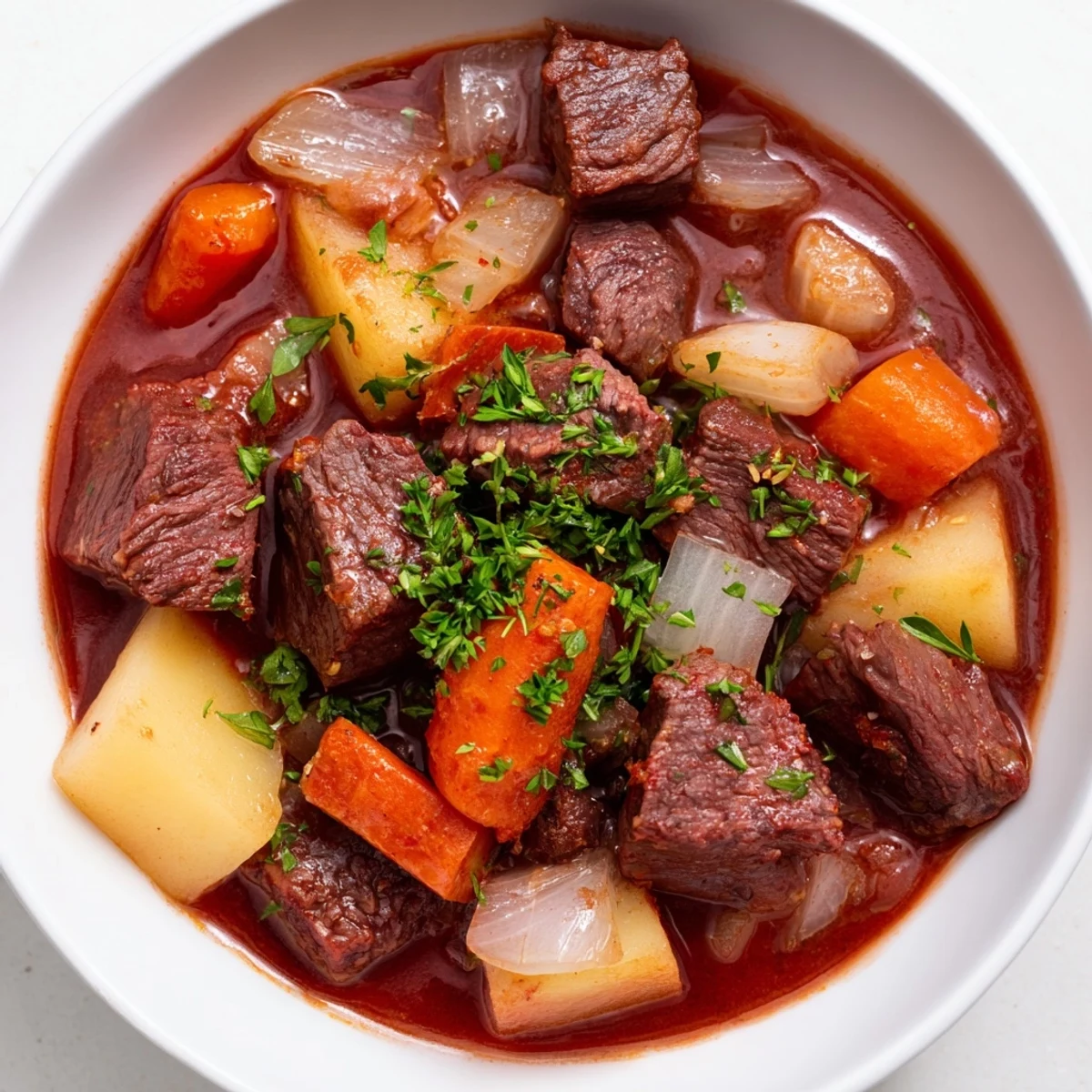
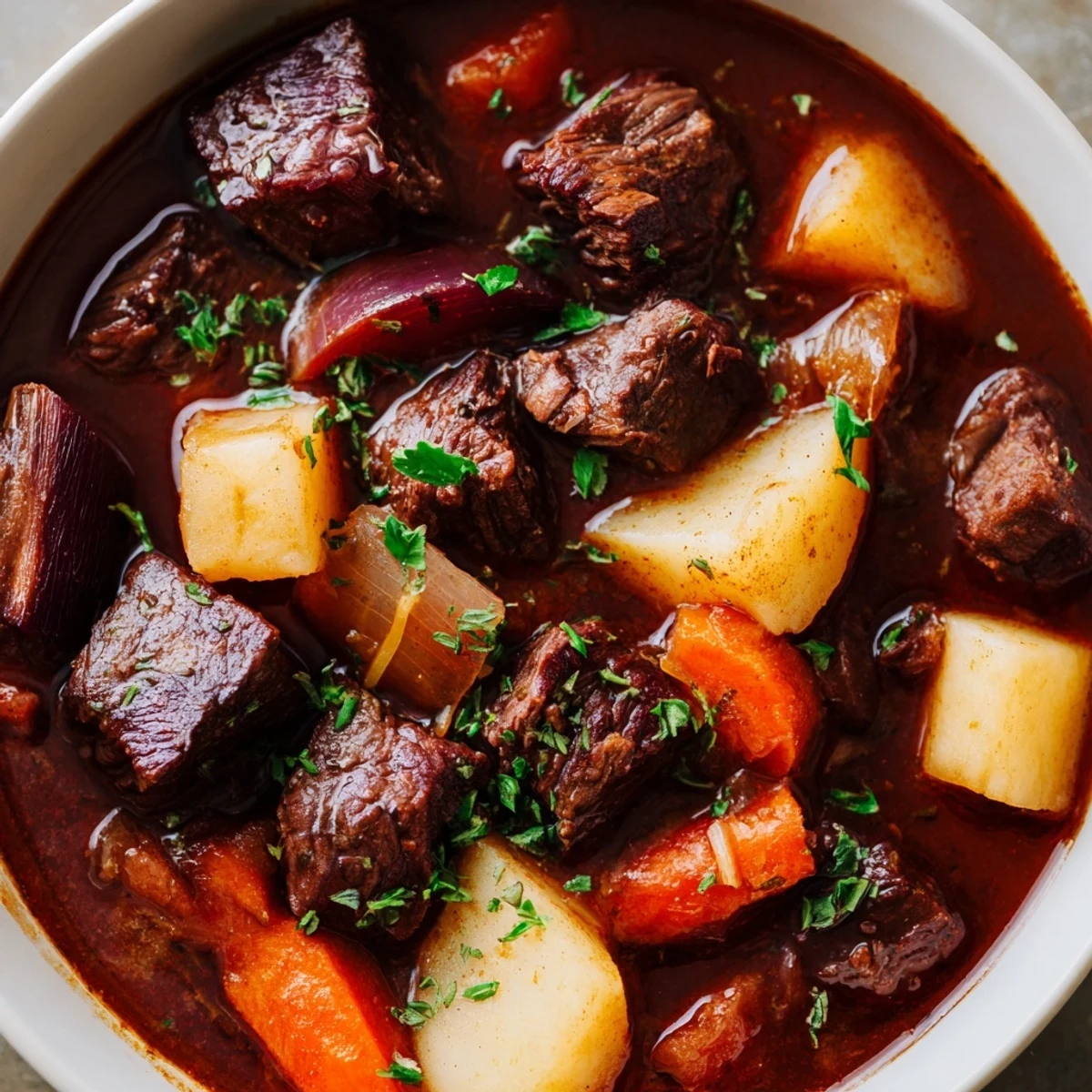
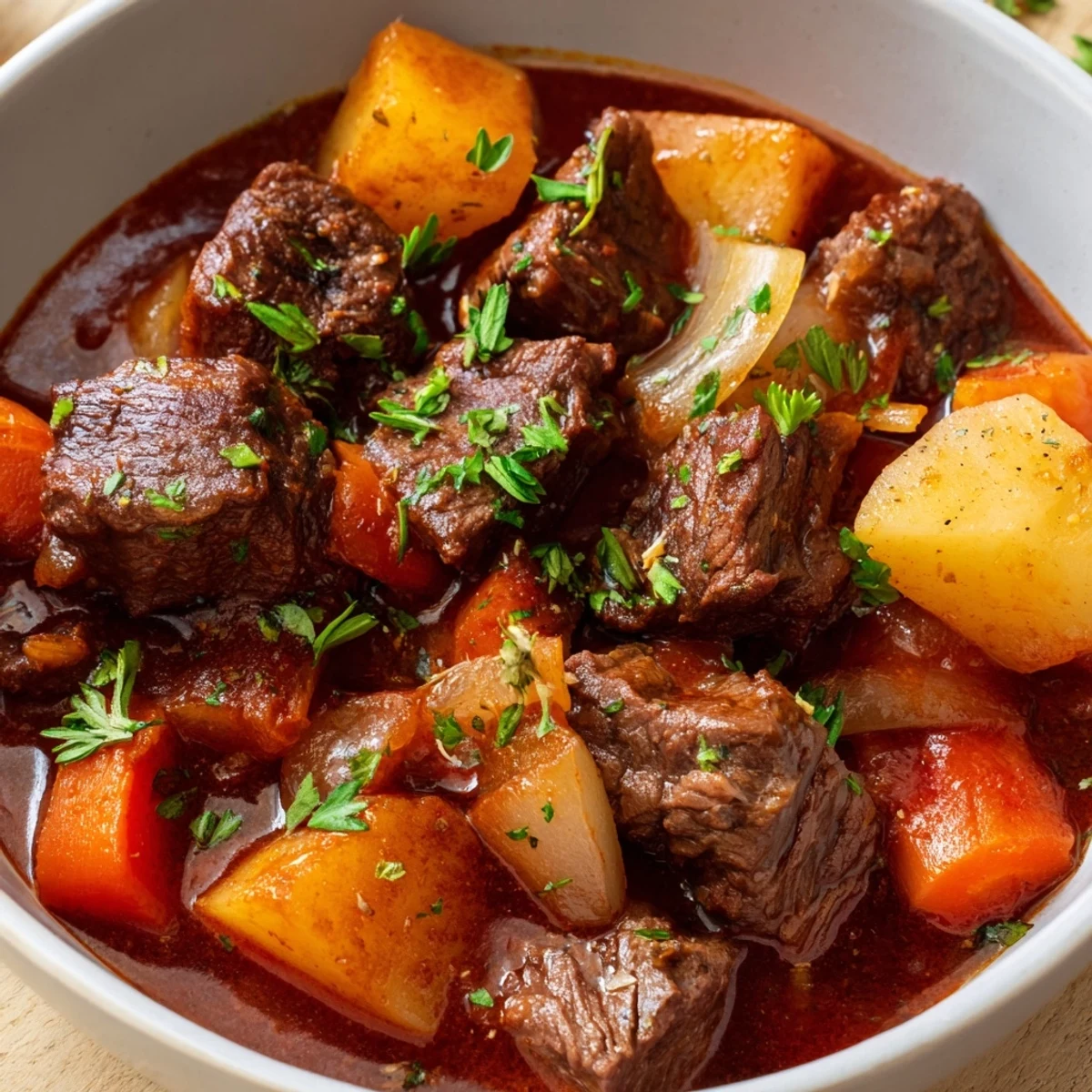
 This dish features tender beef chuck cubes combined with an array of root vegetables such as carrots, parsnips, and potatoes. Slowly cooked for hours with aromatic herbs, garlic, tomato paste, and beef broth, the beef becomes fork-tender while the vegetables soak up rich, hearty flavors. Optional searing of the beef before cooking adds depth, and a cornstarch slurry can thicken the broth if desired. Garnished with fresh parsley, it offers a warm and satisfying meal perfect for comforting dinners.
There's something deeply satisfying about throwing ingredients into a slow cooker in the morning and coming home to a kitchen filled with the smell of beef and root vegetables that have been gently coaxing out their sweetness for hours. I discovered this particular version on a cold Sunday when I wanted something warm without spending all day in the kitchen, and it became the recipe I return to whenever I need comfort food that actually tastes like someone cared. The first time I made it, my partner walked in halfway through the day and asked what was happening, and I realized I'd created something that makes a house feel like a home. Now it's become my go-to when friends are coming over on chilly evenings.
I remember making this for my sister's book club gathering on a particularly gray February afternoon, worried that something so simple couldn't possibly be impressive enough. Everyone showed up hungry and skeptical about slow cooker food, but by the second bowl, they were asking for the recipe and telling me I'd saved their week. There's a quiet power in feeding people something that costs almost nothing to make but tastes like you've been simmering it for days. That's when I realized this wasn't just dinner—it was proof that the best meals often come from the least fussy methods.
Ingredients
- Beef chuck, 2 lbs: This is the cut that transforms into velvet after hours of slow cooking, whereas leaner beef would dry out and turn stringy.
- Carrots, 2 large: They add natural sweetness and break down slightly, almost creating their own sauce as they cook.
- Parsnips, 2 medium: These give the stew an earthy complexity that regular potatoes alone can't achieve, with a subtle nutty undertone.
- Potatoes, 2 medium: They thicken the broth naturally as they soften, so you might not even need the cornstarch slurry.
- Onion, 1 large: Chopped rough and let to dissolve into the liquid, it's the foundation of depth here.
- Celery stalks, 2: People skip this, but it adds a brightness that keeps the stew from tasting one-note.
- Garlic, 3 cloves: Mince it fine so it distributes evenly throughout and mellows into something completely different from raw garlic.
- Beef broth, 4 cups: Low-sodium matters here because the liquid reduces and concentrates, so you control the salt instead of the broth controlling you.
- Red wine, 1 cup: Optional, but it rounds out the flavors in a way you can't quite put your finger on—people will ask what's different.
- Tomato paste, 2 tbsp: A small amount adds acidity and a subtle sweetness that balances the richness of the beef.
- Thyme and rosemary: Dried herbs are fine here since they have hours to soften and release their oils into the broth.
- Bay leaves, 2: Always remove them before serving, but they quietly flavor everything around them.
- Cornstarch slurry: Mix this only if you want a thicker, more gravy-like consistency—the stew is gorgeous either way.
Instructions
- Season and sear your beef:
- Pat the beef cubes dry with paper towels—this makes them brown properly instead of steaming. Searing isn't absolutely required, but it builds a deep, caramelized flavor that makes a real difference in the final taste.
- Build your vegetable foundation:
- Roughly chop everything and add it to your slow cooker in layers, with the denser vegetables like potatoes and parsnips touching the bottom where it's warmest. The slow cooker will do the gentle work of cooking them through without turning them to mush.
- Make your braising liquid:
- Whisk the broth, wine, tomato paste, and herbs together in a bowl before pouring—this helps everything combine evenly instead of settling in clumps. Pour this over the vegetables and beef so everything is barely submerged.
- Let time do the work:
- Cover and cook on low for eight hours, or high for four to five if you're in a hurry. The house will smell incredible around hour three, but resist opening the lid—every peek adds time to the cooking.
- Thicken if you like:
- About thirty minutes before serving, if the broth seems too thin, mix cornstarch and cold water into a smooth paste and stir it in while the slow cooker is on high. It will thicken as it simmers.
- Season to taste:
- Remove the bay leaves carefully, then taste a spoonful of broth and adjust salt and pepper as needed. Sometimes the broth reduces more than expected, so this final check is crucial.
- Finish with fresh parsley:
- Chop the parsley just before serving and scatter it on top—it adds brightness and makes the dish look intentional rather than like something that cooked itself.
 Save to Pinterest
 The moment I understood this recipe's real power came when my dad mentioned he'd made it for himself on a Tuesday night, not for anyone else, just because he wanted something warm and his apartment was quiet. That's when I knew it had transcended being a dish I taught him and become something he actually cared about, something that belonged to him. A recipe like that—simple enough to make alone on an ordinary evening, delicious enough to want to repeat—that's the one worth writing down.
When to Make This
This is the recipe for Sunday mornings when you want dinner handled before noon, or for work days when you want to come home to something already waiting. It's perfect for feeding a small crowd without fussing, and it works for both casual family dinners and slightly more intentional gatherings where you want people to feel cared for. Winter and fall are its natural seasons, though I've made it in summer too and nobody complained about a warm, hearty bowl.
Variations That Work
Once you understand the framework, this stew becomes a template instead of a rigid recipe. You can swap parsnips for turnips, add mushrooms for earthiness, or throw in pearl onions if you want something slightly more special. Some people add a splash of Worcestershire sauce, others reduce the wine and add extra beef broth, and a friend of mine swears by adding a small spoon of fish sauce for depth nobody can quite identify. The beef and root vegetables are non-negotiable, but everything else is genuinely flexible.
Serving and Storing
Serve this in wide bowls with crusty bread for soaking up broth, or ladle it over creamy mashed potatoes if you want something more substantial. It keeps beautifully in the refrigerator for four days, actually improving as flavors marry, and it freezes well for up to three months if you store it in freezer-safe containers. Reheat gently on the stovetop, adding a splash of broth if it's thickened too much in storage.
- Crusty bread or mashed potatoes transform this from dinner into something memorable.
- Let it cool completely before freezing so you don't crack your containers.
- This is the kind of food that tastes even better when you're reheating it for yourself the next day.
 Save to Pinterest
 This stew has a way of showing up in your life exactly when you need something steady and warm and made with actual care. Make it, come home to it, and understand why slow cooking became a thing in the first place.
Recipe FAQs
- → Can I skip searing the beef?
-
Yes, searing is optional but adds a deeper flavor and a richer color to the beef.
- → What root vegetables work best in this dish?
-
Carrots, parsnips, and potatoes give a hearty texture and natural sweetness, but turnips or sweet potatoes can be good substitutes.
- → How do I thicken the stew if needed?
-
Mix cornstarch with cold water and stir it in about 30 minutes before serving while cooking on high to thicken the broth.
- → Is it necessary to use red wine?
-
Red wine adds depth and complexity but can be replaced with additional beef broth without losing flavor.
- → How do I ensure the beef is tender?
-
Slow cooking on low for about 8 hours allows the beef to become tender and absorb all the aromatic flavors.