
 Save to Pinterest
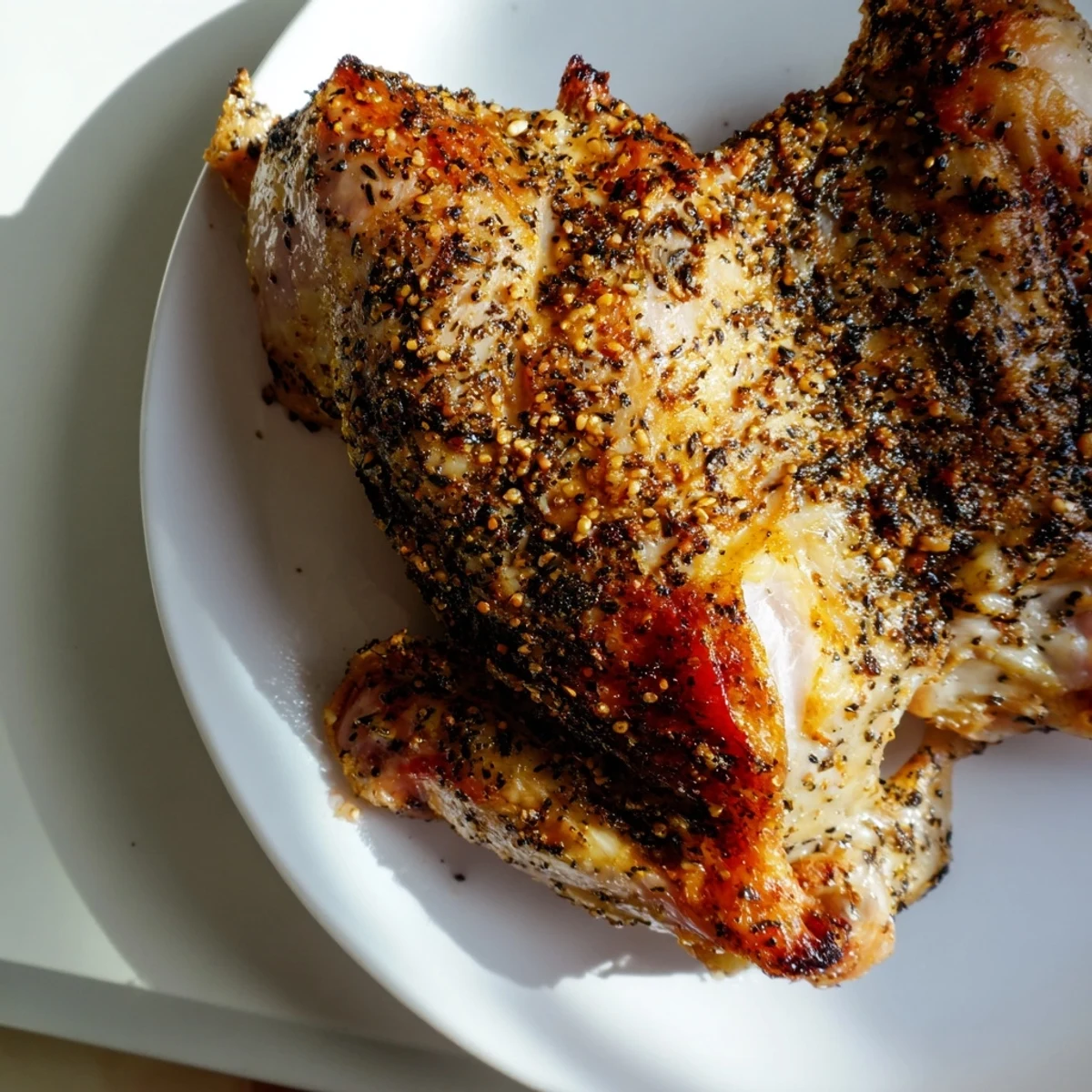
 This aromatic roasted chicken features a flavorful marinade of olive oil, lemon, and zaatar spice blend, creating a delicious Middle Eastern-inspired dish with crispy skin and juicy meat. The chicken is marinated then roasted with vegetables for a complete meal that's both simple to prepare and full of authentic flavors.
My tiny apartment kitchen filled with the most incredible scent when I first tried zaatar years ago. My Lebanese neighbor had gifted me a small jar of her homemade blend, and I'd been sprinkling it on everything from toast to roasted vegetables. That afternoon, staring at a whole chicken I'd picked up from the market, I wondered what would happen if I really committed to this spice combination. The result was so good I ended up calling my mom immediately after the first bite to describe what I'd discovered.
Last summer, I made this chicken for a dinner party when friends were visiting from out of town. They kept asking what was in the rub as we sat around the table picking at the last pieces. Even my friend who claims she doesn't like chicken skin went back for seconds. Now it's become my go-to when I want to serve something that feels special but doesn't require me to stand over the stove all evening.
Ingredients
- Whole chicken: Patting it completely dry is the secret to getting that skin beautifully crisp, so dont rush this step
- Olive oil: Use a good quality one here since the flavor really comes through in the final dish
- Zaatar spice blend: This is the star of the show, so taste your blend first and adjust salt accordingly
- Sumac: Optional but adds this lovely tangy brightness that cuts through the richness
- Lemon: Both the zest and juice work to tenderize and brighten everything
- Garlic: Freshly minced gives you the best punch of flavor
- Salt and pepper: The foundation that lets all the other spices shine
- Vegetables for roasting: They absorb all those delicious pan juices and become almost better than the chicken itself
Instructions
- Mix your magic paste:
- Whisk together the olive oil, zaatar, sumac, lemon zest, lemon juice, garlic, salt, and pepper in a small bowl until combined. The mixture should be fragrant and spreadable.
- Get under the skin:
- Gently slide your fingers under the breast skin to create pockets, then rub half the marinade directly onto the meat. Coat the outside thoroughly with the remaining mixture.
- Optional cavity stuffing:
- Tuck some lemon slices and onion inside the chicken if you like, which adds subtle flavor from within.
- Prep the roasting bed:
- Scatter the onion rings, carrot chunks, and remaining lemon slices across your roasting pan. Nestle the chicken on top, breast side up.
- Let it marinate:
- Let everything sit at room temperature for 30 minutes, or refrigerate covered for up to 8 hours for deeper flavor penetration. Remember to bring it back to room temperature before roasting.
- Heat things up:
- Preheat your oven to 200°C (400°F) while the chicken finishes its marinating time.
- Roast to perfection:
- Cook for 1 hour to 1 hour 15 minutes until juices run clear and a thermometer hits 75°C (165°F) in the thickest part of the thigh.
- Rest before carving:
- Let the chicken rest for 10 minutes so the juices redistribute. Serve with those roasted vegetables and spoon over the pan juices.
 Save to Pinterest
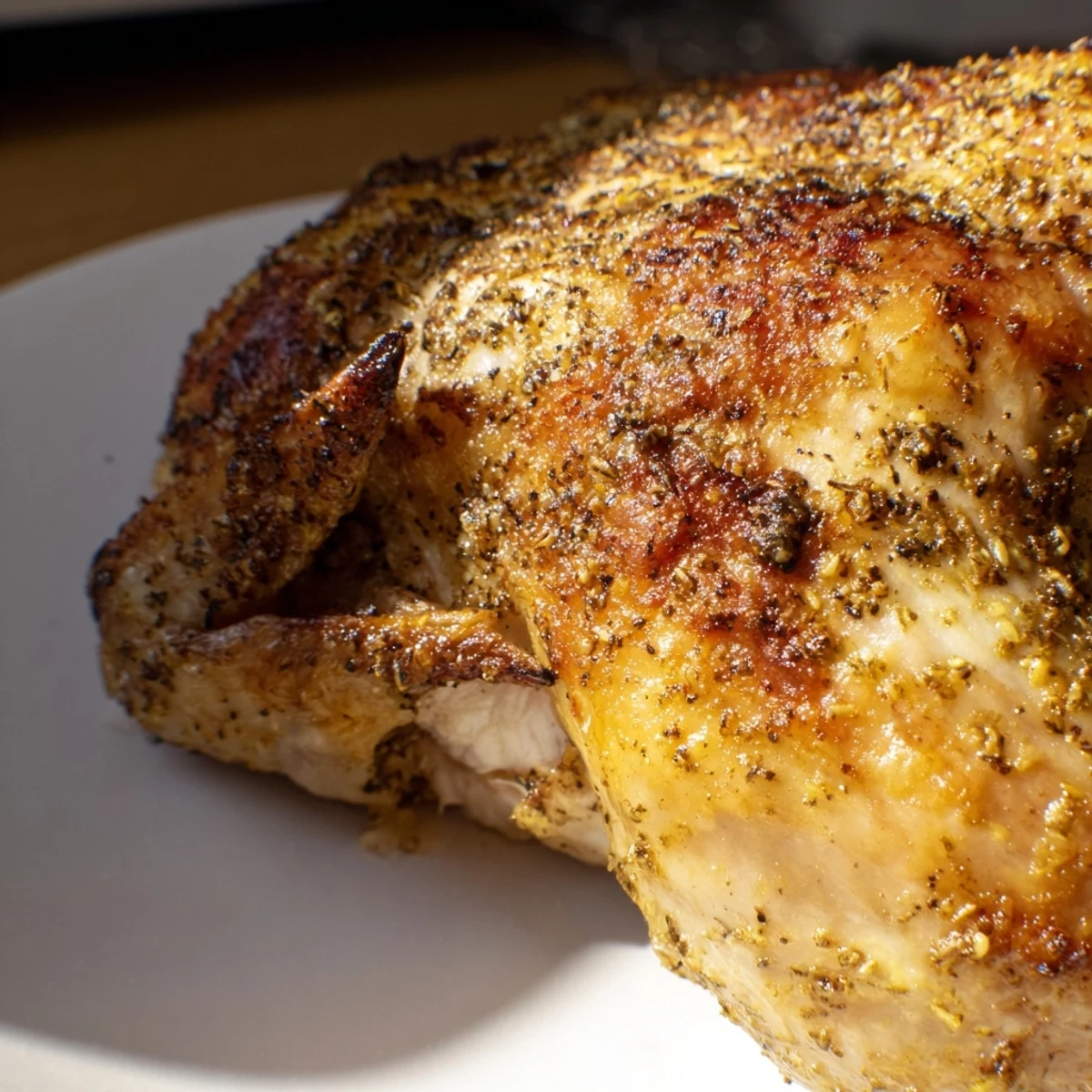
 This recipe has saved me on countless weeknights when I want something comforting but not heavy. The way the zaatar crusts up on the skin makes the whole house smell like a Middle Eastern bakery. My kids now request it specifically for Sunday family dinner.
Getting That Perfect Crisp
If you're someone who lives for crispy chicken skin, try leaving the chicken uncovered for the final 15 minutes of roasting. This trick lets the moisture evaporate and the skin turn golden and crackly. I learned this from roasting too many chickens with soggy skin before finally figuring out what I was doing wrong.
Vegetable Swaps
While carrots and onions are classic, don't be afraid to mix in baby potatoes or fennel bulbs if that's what you have on hand. Everything that roasts underneath the chicken ends up infused with those spiced pan juices. Sometimes I'll add quartered potatoes just to stretch the meal into a complete one-pan dinner.
Serving Ideas
A simple cucumber and tomato salad with a drizzle of olive oil cuts through the richness beautifully. I also love serving with a side of plain yogurt seasoned with just a pinch of salt and some minced garlic. The cool creaminess balances the warm spices perfectly.
- Leftovers make incredible sandwiches the next day
- Save the pan juices to drizzle over rice or roasted vegetables
- The marinade works equally well on chicken thighs if you prefer pieces
 Save to Pinterest
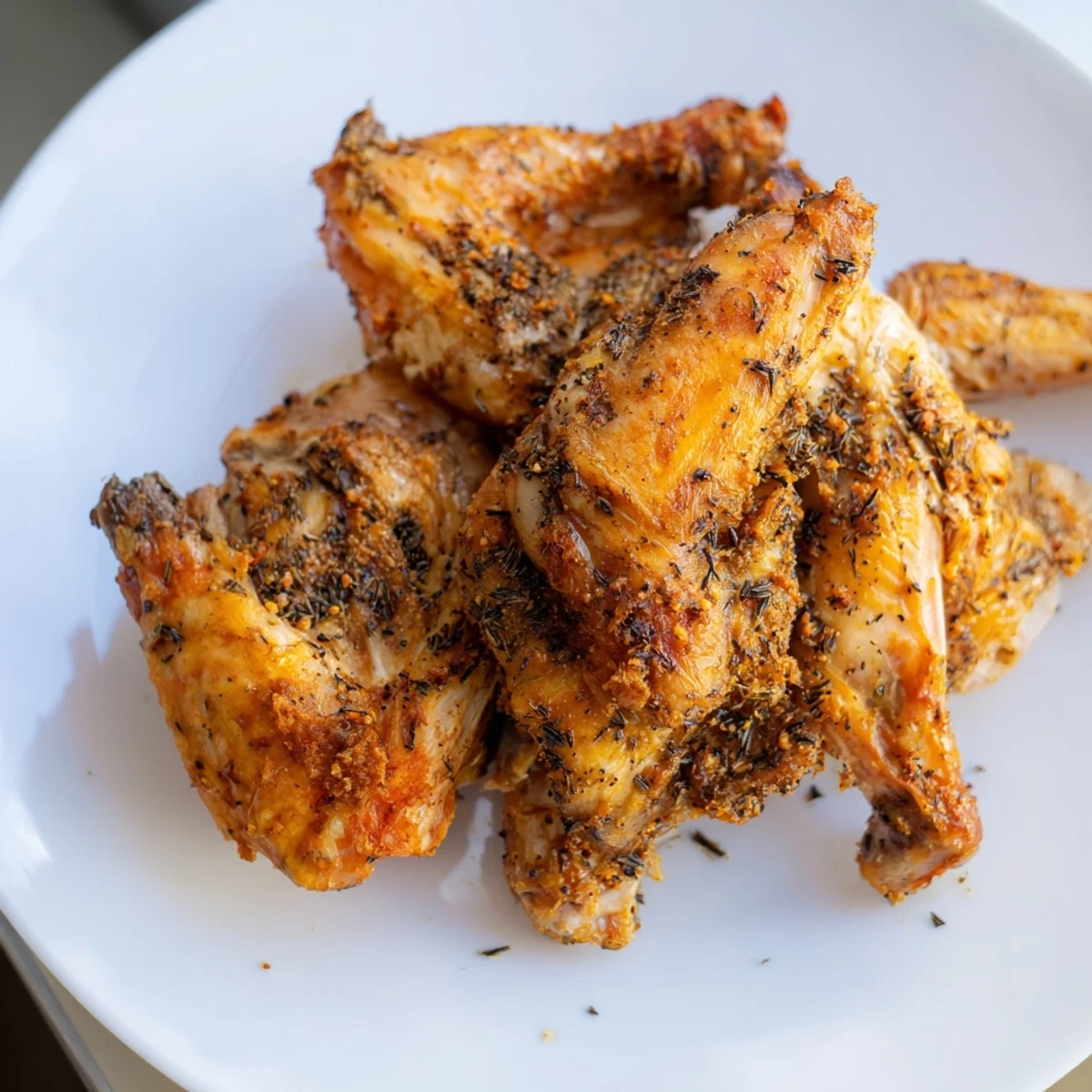
 There's something deeply satisfying about roasting a whole chicken, and this zaatar version turns the ordinary into something extraordinary. Hope it becomes a staple in your kitchen too.
Recipe FAQs
- → What is zaatar and where can I find it?
-
Zaatar is a Middle Eastern spice blend typically containing thyme, sesame seeds, and sumac. You can find it in Middle Eastern markets, specialty spice shops, or online. If unavailable, you can make a simple version with dried thyme, sesame seeds, and sumac.
- → How do I get the skin really crispy?
-
For extra crispy skin, make sure the chicken is patted very dry before marinating. You can also increase oven temperature to 220°C (425°F) for the last 15 minutes of cooking, or broil briefly. Uncovering the chicken for the final roasting stage also helps crisp the skin.
- → Can I use boneless chicken instead of whole chicken?
-
Yes, you can use boneless chicken pieces. Reduce cooking time to 25-35 minutes and check with a thermometer. Boneless thighs or breasts work well, though the presentation differs from the whole roasted bird.
- → What vegetables pair well with this chicken?
-
Roasted vegetables like red onion, carrots, potatoes, or fennel work beautifully. You can also serve with tabbouleh, hummus, or a fresh cucumber-tomato salad. Pita bread is perfect for soaking up the juices.
- → How long should the chicken rest before carving?
-
Let the chicken rest for at least 10-15 minutes before carving. This allows the juices to redistribute throughout the meat, ensuring each bite is moist and flavorful. Cover loosely with foil while resting.