
 Save to Pinterest
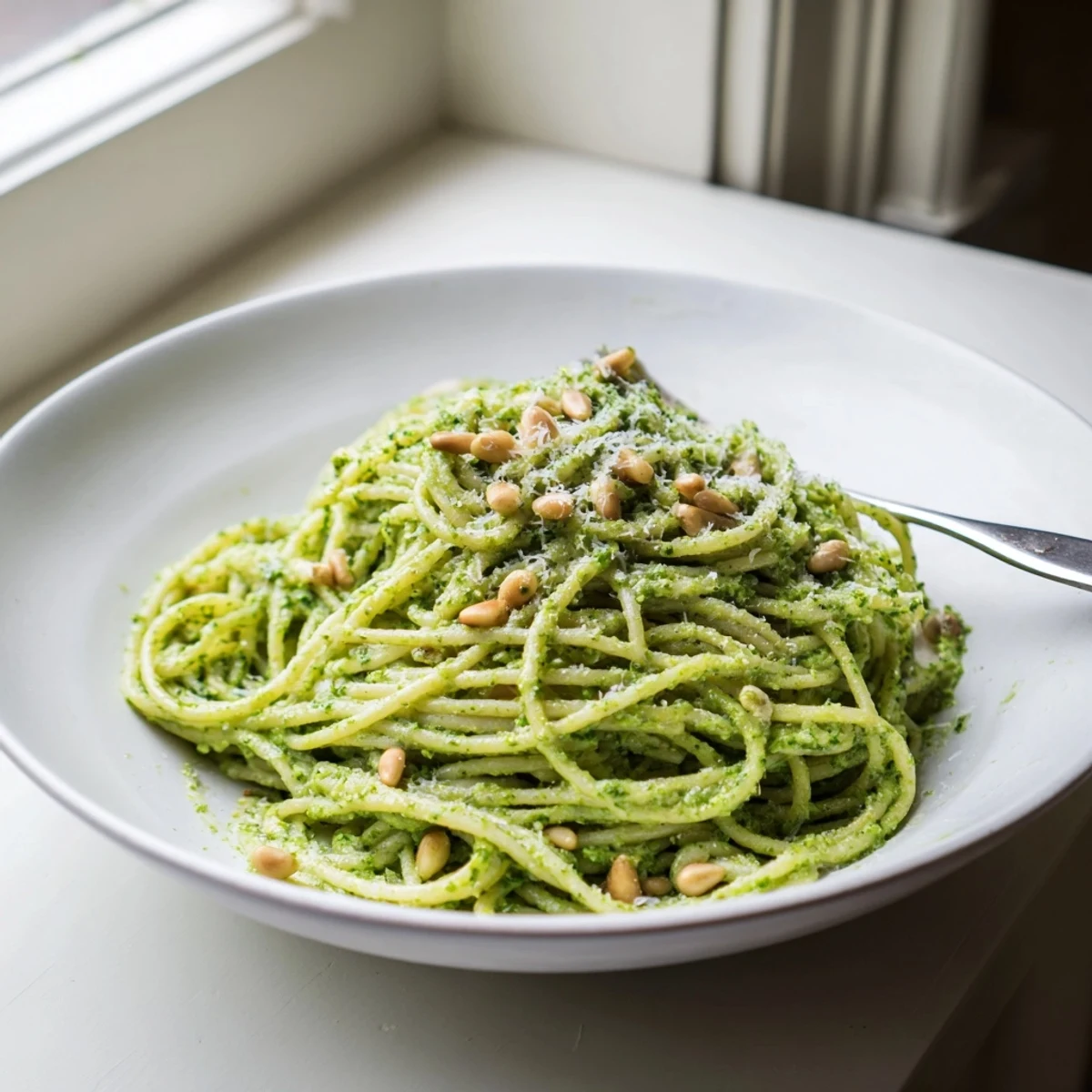
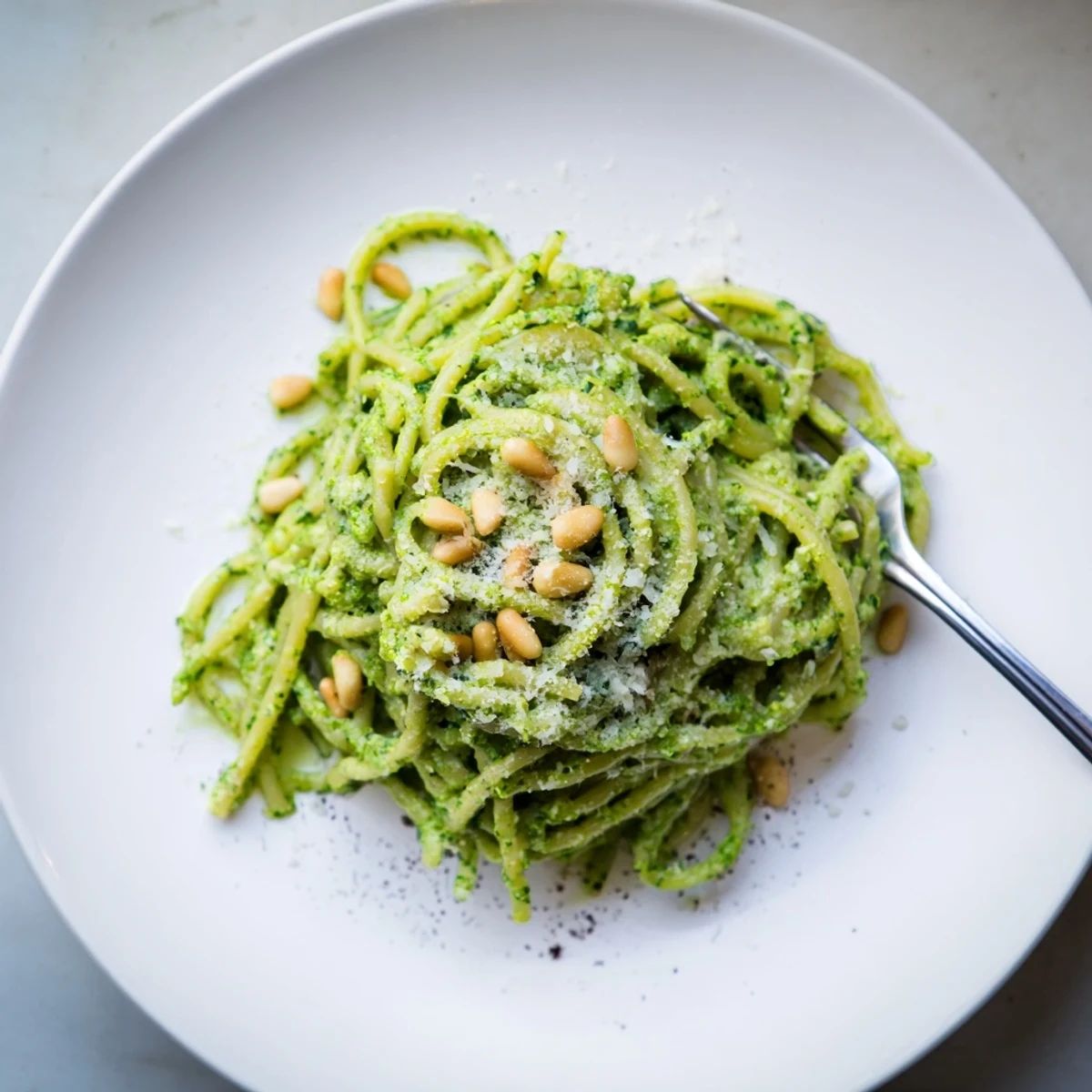
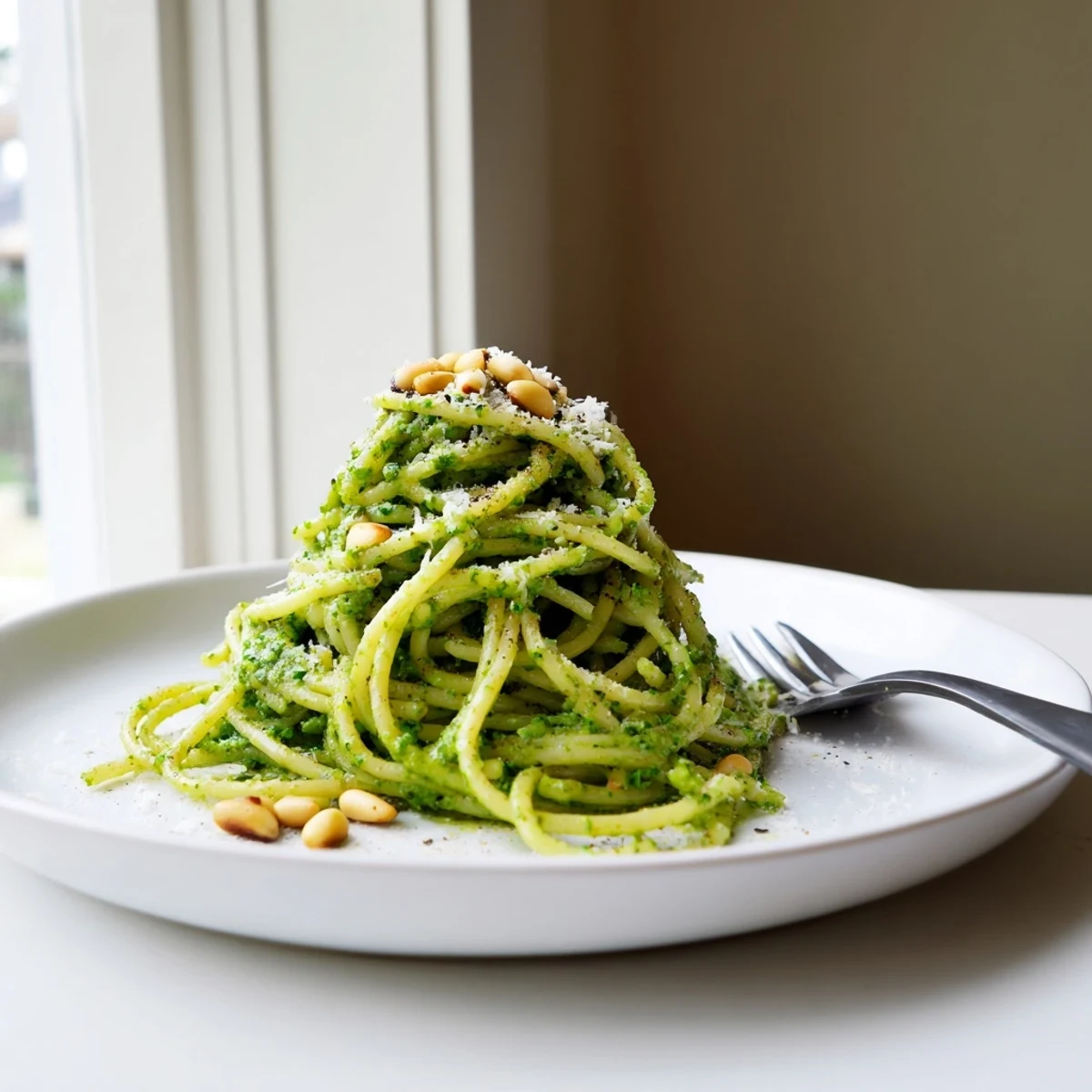
 This wild garlic pesto pasta brings the best of spring to your plate in under 30 minutes. A handful of fresh wild garlic leaves blitz into a silky, vivid green sauce with toasted pine nuts, Parmesan, and a squeeze of lemon.
Tossed with perfectly cooked pasta and a splash of starchy cooking water, every strand gets coated in that rich, nutty, garlicky goodness. Simple enough for a weeknight, impressive enough for guests.
There is a narrow lane near my house that erupts into a carpet of wild garlic every April, and the smell hits you before you even see the leaves. One rainy Tuesday I stuffed a tote bag full of the stuff and came home determined to make something that tasted exactly like that walk. This pasta is what came out of it, and now I measure spring not by the calendar but by whether that lane has turned green yet.
I made this for my neighbor Clara after she helped me fix a wobbly fence post, and she stood in the kitchen eating straight from the pot with a wooden spoon. She called it green gold and now she knocks on my door every spring asking if the lane is ready yet.
Ingredients
- 75 g wild garlic leaves: Rinse them thoroughly and pat dry because grit hiding in the folds will ruin the silky texture you are after.
- 50 g toasted pine nuts or walnuts: Toasting is nonnegotiable because raw pine nuts taste flat and chalky by comparison.
- 50 g freshly grated Parmesan cheese: Grate it yourself from a block since pre grated cheese is coated in anticaking powder that makes the pesto grainy.
- 1 garlic clove: Just one because wild garlic already brings plenty of pungency and you want balance not a fire drill.
- 100 ml extra virgin olive oil: Use the good stuff here because the oil carries the flavor and a cheap one will flatten everything.
- Half a lemon juiced: This brightens the whole bowl and keeps the green color vivid for a few extra minutes.
- Salt and black pepper: Season gradually because Parmesan is already salty and you can always add more but cannot take it away.
- 400 g dried pasta: Spaghetti or linguine work beautifully but penne catches the pesto in its ridges if you want every bite coated.
- Extra Parmesan and black pepper for garnish: Entirely optional but a generous final grating makes it feel like a restaurant plate.
Instructions
- Boil and cook the pasta:
- Bring a large pot of generously salted water to a rolling boil and cook the pasta until just al dente. Before you drain it scoop out half a cup of that starchy water because it is the secret weapon for a glossy sauce.
- Build the pesto base:
- Toss the wild garlic leaves, toasted nuts, Parmesan, and garlic clove into a food processor and pulse until roughly chopped. You want texture not mush so stop before it looks like baby food.
- Stream in the oil:
- With the motor running pour the olive oil in a slow thin stream until a vibrant green paste forms. Squeeze in the lemon juice and season with salt and pepper tasting as you go until it sings.
- Marry pasta and pesto:
- Dump the drained pasta back into the pot or a large bowl and spoon the pesto over it. Toss vigorously adding splashes of reserved pasta water until every strand gleams with a silky coat.
- Plate and finish:
- Divide among bowls immediately and shower with extra Parmesan and a generous crack of black pepper. Eat it right away because this dish waits for no one.
 Save to Pinterest
 Something shifts when you serve a plate of food that started as a handful of leaves gathered on a walk. It becomes a story as much as a meal.
Making It Your Own
Pine nuts are lovely but they are not cheap and honestly toasted almonds give the pesto a deeper, warmer character that I sometimes prefer. Cashews work too and they make the sauce creamier without any dairy at all.
Keeping It Plant Based
Swap the Parmesan for nutritional yeast and you get a surprisingly cheesy, savory depth that even my dairy loving friends do not complain about. Start with three tablespoons and add more to taste because it is saltier than you expect.
What to Drink Alongside
A cold glass of Sauvignon Blanc mirrors the herbal brightness in the pesto and makes the whole evening feel like it has a soundtrack. Light Pinot Grigio works too if you prefer something softer.
- Chill the wine before you start cooking so it is ready the moment the pasta hits the plate.
- If you prefer red a light Beaujolais will not overpower the delicate garlic flavor.
- Sparkling water with a slice of lemon is just as celebratory for a weeknight dinner.
 Save to Pinterest
 Every spring I wonder if I will get tired of this recipe and every spring the answer is a resounding no. Some dishes just belong to a season and this one belongs to spring entirely.
Recipe FAQs
- → What does wild garlic taste like?
-
Wild garlic has a milder, more delicate flavor than regular garlic, with fresh grassy and slightly peppery notes. The leaves bring a bright, green allium taste that works beautifully blended into pesto.
- → Can I use regular garlic instead of wild garlic?
-
You can substitute with a mix of fresh basil or spinach leaves and an extra garlic clove, but the flavor will be different. Wild garlic has a unique taste that's worth seeking out at farmers' markets during spring.
- → How do I store leftover wild garlic pesto?
-
Transfer leftover pesto to a jar, press cling film directly on the surface to minimize air contact, and refrigerate for up to 3 days. The color may darken slightly but the flavor will remain delicious.
- → What pasta shapes work best with this pesto?
-
Long strands like spaghetti or linguine are classic choices, but penne, fusilli, or cavatappi also work wonderfully. Shapes with ridges or curves help grab and hold the silky pesto sauce.
- → Can I make this dish vegan?
-
Absolutely. Swap the Parmesan for nutritional yeast or a plant-based hard cheese alternative. The pine nuts and olive oil already provide plenty of richness and body to the sauce.
- → Where can I find wild garlic?
-
Wild garlic is available in spring, typically March through May. Look for it at farmers' markets, specialty grocers, or forage it in woodland areas where it grows abundantly near streams and damp ground.