
 Save to Pinterest
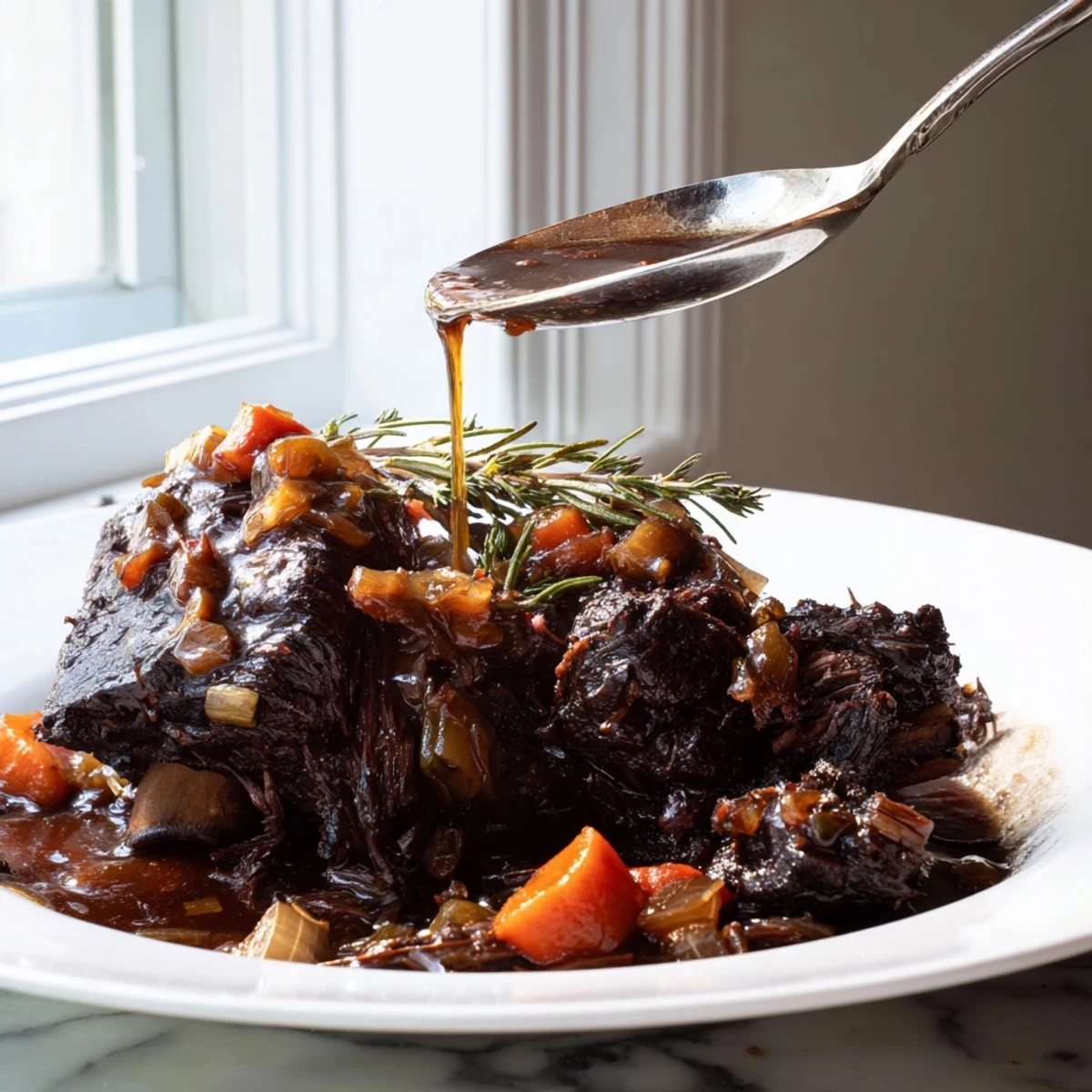
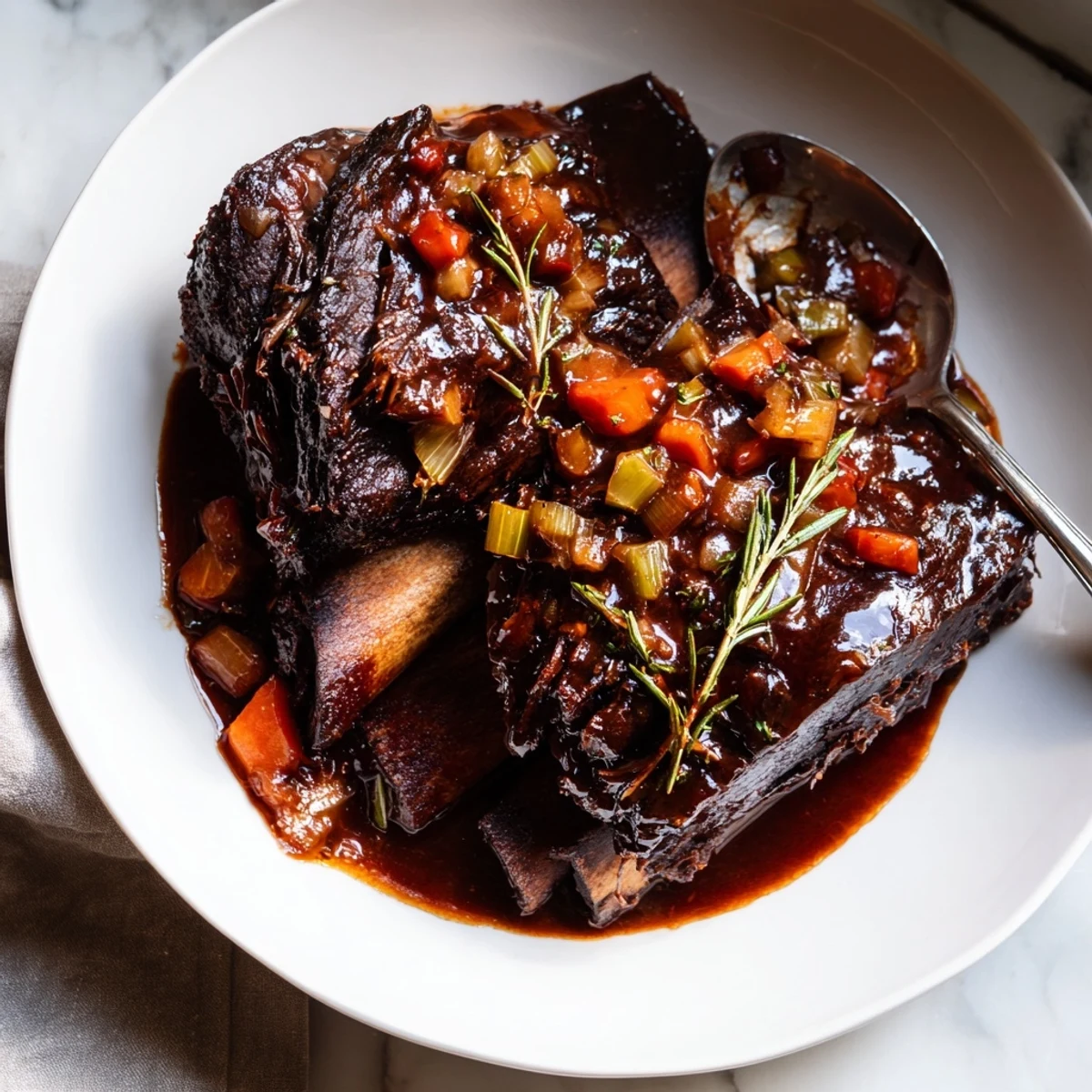
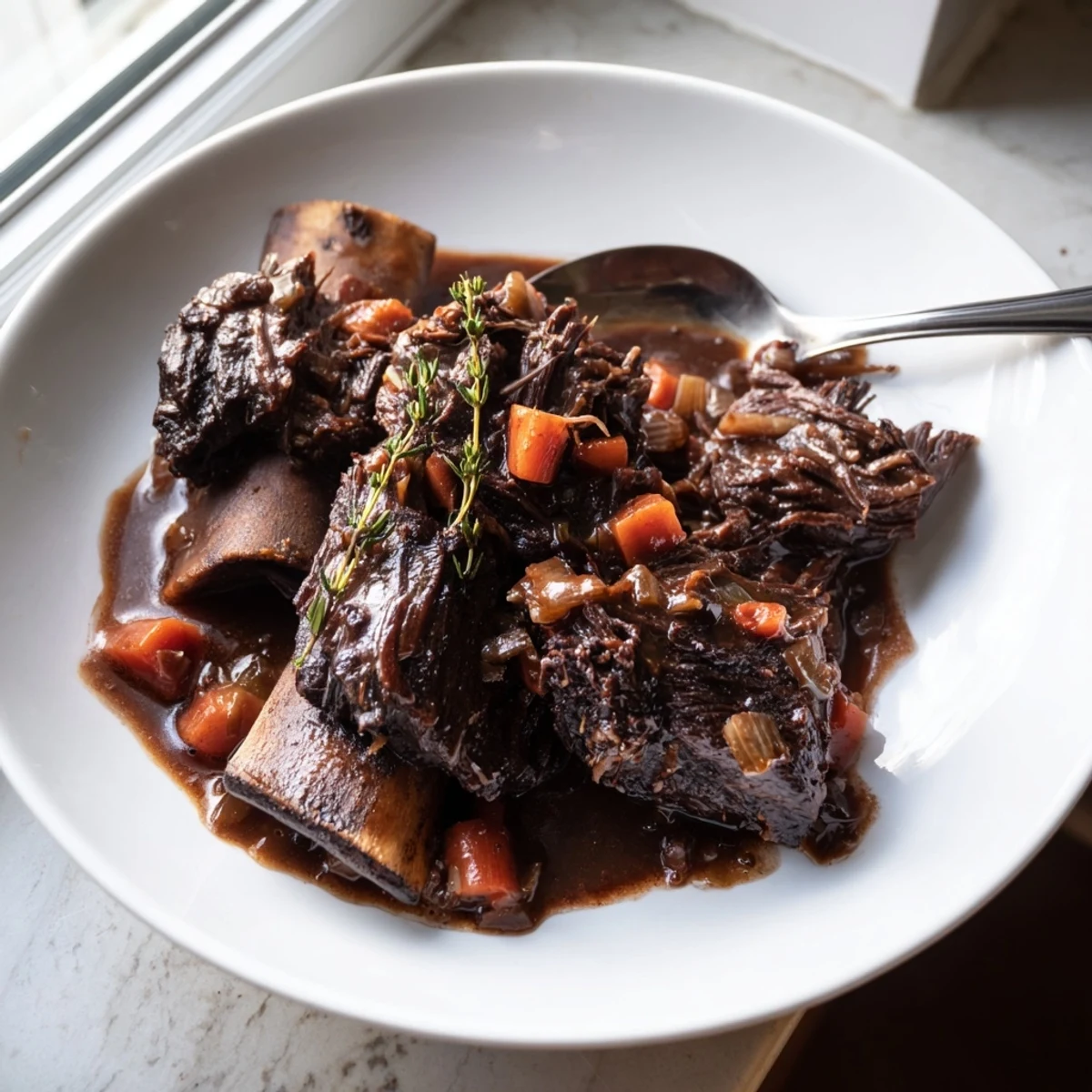
 These oven-braised beef short ribs deliver melt-in-your-mouth tenderness through a slow, low-temperature braise in a rich mixture of dry red wine, beef broth, and aromatic vegetables. The meat is first seared to build a deep caramelized crust, then gently simmered with carrots, celery, onion, garlic, rosemary, and thyme for 2.5 to 3 hours until falling off the bone.
The resulting braising liquid transforms into a luscious, deeply flavorful sauce that pairs perfectly with creamy mashed potatoes, polenta, or crusty bread. This dish is naturally gluten-free and serves four, making it an ideal choice for a comforting weekend dinner or special occasion meal.
The screen door slammed shut behind me as I carried a tray of these braised short ribs to the backyard table during a January dinner party that nearly froze our fingers off. Nobody cared about the cold once they tasted the sauce. We huddled around candles and wiped our plates clean with chunks of bread, laughing about how wed all planned to eat light that week. That night taught me that short ribs are pure cold weather magic.
My neighbor Dave knocked on my door the following weekend holding a bottle of Cabernet and asked if I would teach him how to make them. We stood in my kitchen for three hours, drinking most of the wine meant for the braise, and his ribs turned out better than mine ever had. Sometimes the best meals happen when you stop trying so hard.
Ingredients
- 4 lbs beef short ribs, bone in: Bone in is nonnegotiable here because the marrow melts into the sauce and gives it a richness you simply cannot fake.
- 2 medium carrots, diced: They break down during braising and thicken the sauce naturally while adding subtle sweetness.
- 2 celery stalks, diced: Celery is the quiet backbone of the flavor base, so do not skip it even if you think you do not like celery.
- 1 large yellow onion, diced: Dice it small so it melts into the braise rather than leaving chunky bits behind.
- 4 cloves garlic, minced: Fresh garlic only, and mince it fine so it distributes evenly through the sauce.
- 1 cup dry red wine: Use something you would actually drink, because the flavor concentrates and any bad taste will amplify.
- 2 cups beef broth: Check the label if you need gluten free, because some brands sneak wheat into the base.
- 1 tbsp tomato paste: This small spoonful adds body and a hint of tang that balances the richness perfectly.
- 2 sprigs fresh rosemary: Fresh herbs make a noticeable difference here, so try to avoid dried if possible.
- 3 sprigs fresh thyme: Thyme and beef are old friends, and braising releases their earthy connection beautifully.
- 2 bay leaves: Remember to fish these out before serving because nobody wants to bite into a bay leaf.
- Salt and black pepper: Season in layers throughout the process rather than all at once.
- 2 tbsp olive oil: You need this for a proper sear, so do not skimp.
Instructions
- Preheat and prepare:
- Set your oven to 325 degrees Fahrenheit and pat the ribs completely dry with paper towels. Season them generously on all sides with salt and pepper, letting them sit while the oven warms up.
- Build the crust:
- Heat olive oil in a large Dutch oven over medium high heat until it shimmers. Sear the ribs in batches without crowding the pot, giving each side about 2 to 3 minutes until you get a deep brown crust, then transfer them to a plate.
- Start the flavor base:
- Toss the carrots, celery, and onion into the same pot with all those gorgeous browned bits. Stir them around for about 5 minutes until they soften, then add the garlic and tomato paste for one more minute until everything smells incredible.
- Deglaze with wine:
- Pour in the red wine and scrape up every last bit stuck to the bottom of the pot because that is pure flavor gold. Let it boil and reduce by half, which takes about 5 minutes and fills your kitchen with an amazing aroma.
- Braise low and slow:
- Nestle the ribs back into the pot, pour in the beef broth, and tuck in the rosemary, thyme, and bay leaves. The liquid should almost cover the meat, so bring it to a gentle simmer on the stovetop, cover tightly, and slide it into the oven for 2.5 to 3 hours.
- Finish and serve:
- When the meat is fork tender and literally sliding off the bone, remove the ribs and vegetables to a serving platter. Skim the excess fat from the sauce, discard the herb sprigs and bay leaves, then ladle that glossy sauce generously over everything.
 Save to Pinterest
 A year after that January dinner party, Dave made these ribs for his own birthday and texted me a photo of the empty pot with the caption never ordering takeout again.
Serving Suggestions
Mashed potatoes are the classic pairing because they soak up the sauce like a sponge, but creamy polenta might actually be even better. A hunk of crusty bread on the side is mandatory if you want to keep the peace at your table.
Make Ahead and Storage
These ribs taste even better the next day, so making them ahead is not just convenient but actually recommended. Store them in their sauce in the refrigerator overnight, then gently reheat on the stovetop over low heat until warmed through.
Getting the Sauce Right
The sauce should coat the back of a spoon when you are done, and if it feels thin, just let it simmer uncovered for a few extra minutes. Patience is the real secret ingredient here, and rushing the reduction is the fastest way to end up with watery results.
- If you skipped the wine, add a splash of balsamic vinegar for depth.
- A small pat of cold butter swirled in at the end makes the sauce glossy.
- Always taste for salt one last time before serving.
 Save to Pinterest
 Some dishes feed people, and other dishes bring them to your table and keep them there talking long after the plates are empty. These short ribs are the second kind, and they are worth every single minute of waiting.
Recipe FAQs
- → What cut of beef works best for braising?
-
Bone-in beef short ribs are ideal for braising because the bone adds richness and the connective tissue breaks down into gelatin during the long cook, creating tender, succulent meat. Boneless short ribs or chuck roast can also work well as alternatives.
- → Can I make this without red wine?
-
Yes, you can substitute the red wine with additional beef broth. The flavor depth will be slightly different, but adding a splash of balsamic vinegar or a tablespoon of lemon juice can help provide some of the acidity and complexity that wine contributes.
- → Why do the ribs need to be seared first?
-
Searing the short ribs before braising creates a Maillard reaction, which builds a deep browned crust and caramelized flavors. This step is essential for developing the rich, complex taste that defines a great braise. Don't rush this step—take time to brown all sides thoroughly.
- → What temperature should beef short ribs be braised at?
-
The ideal braising temperature is 325°F (160°C). This moderate oven temperature allows the collagen and connective tissue in the ribs to slowly break down over 2.5 to 3 hours without drying out the meat. The gentle, consistent heat ensures fork-tender results every time.
- → How do I store and reheat leftover braised short ribs?
-
Store leftover short ribs in an airtight container in the refrigerator for up to 4 days. In fact, the flavors improve overnight as they meld together. To reheat, place the ribs and sauce in a covered dish in a 325°F oven for about 20 minutes, or gently warm on the stovetop over low heat.
- → Can I prepare braised short ribs in advance?
-
Absolutely. Braised short ribs actually taste better when made a day ahead. Complete the full cooking process, let everything cool, then refrigerate. The next day, skim the solidified fat from the top of the sauce and reheat gently. This also makes the dish easier to serve for gatherings.