
 Save to Pinterest
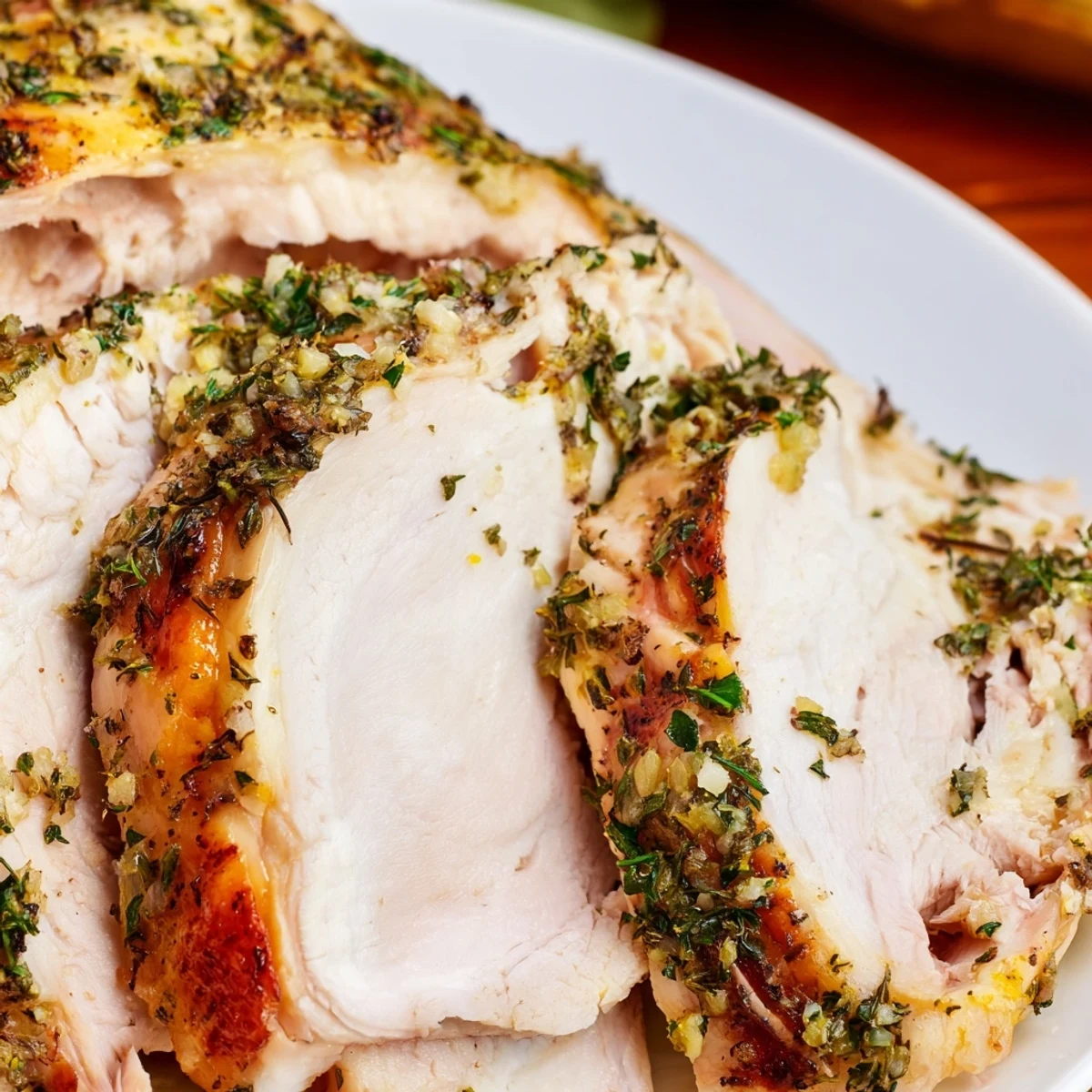
 This lemon herb turkey crown features a juicy, tender breast infused with a fragrant butter mix of parsley, thyme, rosemary, lemon zest, and garlic. The meat is seasoned with olive oil, salt, and pepper before roasting atop a bed of aromatic vegetables and lemon halves. Basted regularly during the 1 hour 45 minutes cooking time, the turkey achieves a beautiful golden crust while retaining moistness. After resting, it’s ready to serve for festive gatherings or elegant dinners.
There's something about a turkey crown that makes even a weeknight feel special—no fussing with a whole bird, just pure golden elegance on the table. The first time I made this version, I was standing in my kitchen on a crisp autumn morning, lemon zest under my fingernails and fresh thyme filling the air, realizing I'd stumbled onto something that would become my go-to for anyone I wanted to impress. That butter under the skin was the revelation—it keeps everything so impossibly tender, and the herbs somehow find their way into every single bite. Now I make it whenever I want to feel like I've done something remarkable with minimal stress.
I remember bringing this to my sister's dinner party last December, nervous because she's the kind of cook who notices everything. When I pulled it from the oven and the kitchen suddenly smelled like a Mediterranean garden—all lemon and thyme and roasted onion—she actually stopped talking mid-sentence. That moment when someone tastes it and their eyes light up, knowing you made that happen with your own hands, that's what this recipe gives you every single time.
Ingredients
- Turkey crown, 2.5 kg (5.5 lb), skin on: The star of the show—ask your butcher for one with the skin intact because that's where all the protection and flavor lives during roasting.
- Unsalted butter, 100 g (7 tbsp), softened: This becomes your secret weapon, infused with herbs and tucked under the skin to keep everything tender.
- Fresh herbs—parsley, thyme, rosemary, 2 tbsp each: Use them fresh if you possibly can; dried herbs turn flat and dusty in comparison, and you deserve better than that.
- Lemon zest from 2 lemons: The brightness that cuts through the richness and makes people wonder what your secret is.
- Garlic, 3 cloves, minced: Just enough to whisper in the background, not shout.
- Olive oil, 2 tbsp: A good finishing touch that helps everything brown beautifully.
- Sea salt and freshly ground black pepper: The foundation—don't skimp here because these simple seasonings are doing real work.
- Roasting vegetables—onion, carrots, celery, 1 lemon halved: These create a flavor base and catch the drippings that become liquid gold for basting.
- Chicken stock, 250 ml (1 cup): Keeps the pan moist and prevents any sticking drama.
Instructions
- Get your oven ready and prep the herb butter:
- Preheat to 180°C (350°F) fan/gas mark 4. While it's warming, combine your softened butter with all those fresh herbs, lemon zest, and minced garlic in a small bowl—this is where the magic begins, and you'll notice it smells incredible immediately.
- Loosen and butter the skin:
- Pat the turkey crown completely dry with paper towels (this matters for browning). Gently slip your fingers under the skin and spread half the herb butter in an even layer underneath—be gentle but confident, like you belong there. Rub the remaining butter all over the top.
- Season and set up for roasting:
- Drizzle with olive oil and season generously with salt and pepper all over. Scatter your onion, carrots, celery, and lemon halves in a large roasting tray, then nestle the turkey crown on top, breast side up.
- Add liquid and begin roasting:
- Pour the chicken stock around the base of the tray—not over the turkey, just into the pan. This will steam up and keep everything cooking gently while you brown the skin to golden.
- Baste and monitor for 1 hour 45 minutes:
- Every 30 minutes, use a spoon or basting brush to sweep those pan juices up and over the turkey. If the top starts browning too aggressively before the meat is done, drape it loosely with foil—you want golden, not charred. Use a meat thermometer inserted into the thickest part of the breast; you're looking for 74°C (165°F).
- Rest before carving:
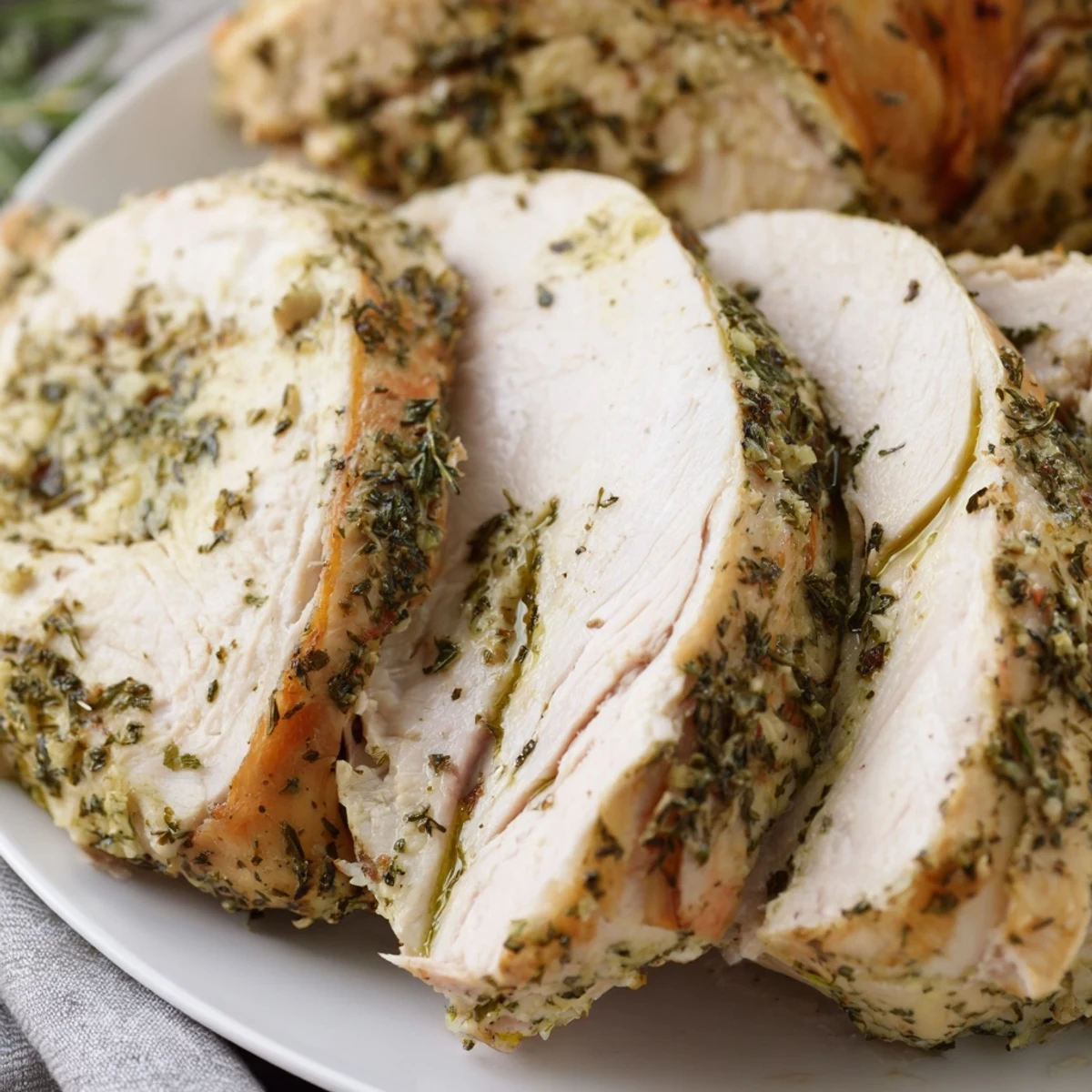
- When it hits temperature, pull it out and tent it loosely with foil, then leave it undisturbed for 20 minutes. This resting time is when the fibers relax and reabsorb their moisture, so the meat stays impossibly tender when you slice.
 Save to Pinterest
 There was this one time I forgot to tent the turkey while it rested and started carving right away, impatient and proud. The first slice was perfect, but by the third or fourth, I could taste how much the meat had already started drying out without that protective foil. Now I set a timer for those 20 minutes and use them to make gravy or pour a drink—because the wait is what transforms good into unforgettable.
About That Herb Butter
This technique of softening butter and mixing it with fresh herbs, then tucking it under the skin, is borrowed from French cooking but feels completely personal once you make it your own. The butter melts slowly as the turkey roasts, basting the meat from the inside while the herbs infuse everything with flavor that never tastes heavy or overdone. I've experimented with different herb combinations—sage and thyme one time, oregano and tarragon another—and every version works because you're working with the geometry of the bird itself, letting the skin do what it's designed to do.
Building Your Pan Sauce
After you lift the turkey out to rest, don't ignore what's left in that tray—those caramelized bits and herb-infused drippings are the foundation of a sauce that tastes like you've been cooking all day. Strain out the solids, let the liquid settle for a minute, then spoon off any excess fat if you want something lighter. A splash of white wine added to the pan while it's still hot, letting it sizzle and reduce, transforms those drippings into something that makes people ask for the recipe before they even taste the turkey.
Making It Your Own
This recipe is a template that wants to be personalized—it's designed so your kitchen, your tastes, and your memories can shape it. Some people add pomegranate molasses for depth, others layer in ginger and orange. The vegetables in the pan can change with the season: parsnips in winter, fennel in spring. What matters is that you're working with quality ingredients and giving them space to do what they do best.
- Save the roasted vegetables from the tray for a side dish or to blend into gravy.
- If you can only find dried herbs, use about one-third the amount called for since they're more concentrated.
- Let the turkey sit at room temperature for 30 minutes before roasting so it cooks more evenly throughout.
 Save to Pinterest
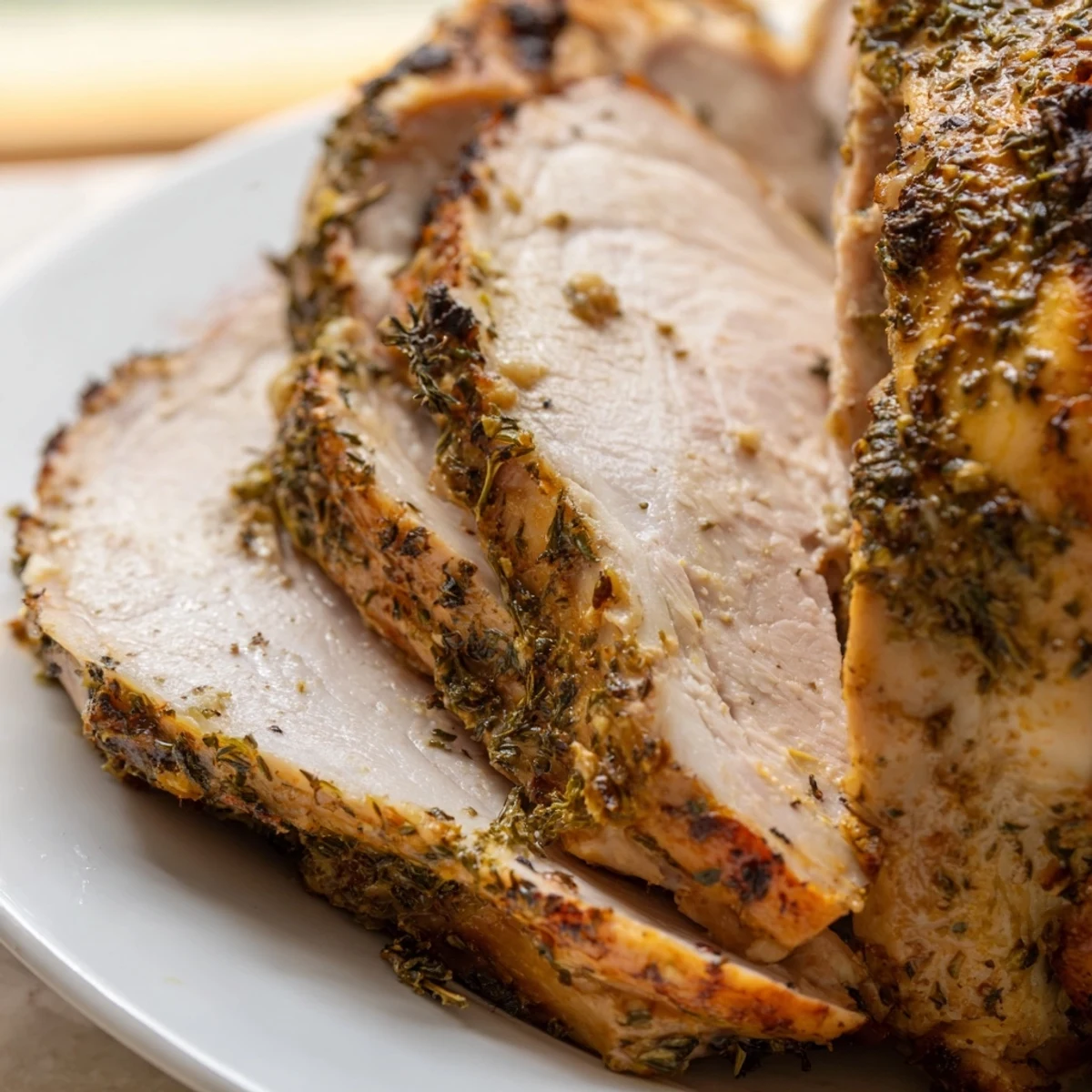
 This turkey crown has become my answer to the question of how to make dinner feel ceremonial without spending all day in the kitchen. It's the kind of meal that brings people together, makes the table feel abundant, and reminds us that some of the best cooking isn't about complexity—it's about respecting good ingredients and giving them time and attention.
Recipe FAQs
- → What is the best way to prepare the herb butter?
-
Combine softened unsalted butter with finely chopped parsley, thyme, rosemary, lemon zest, and minced garlic. Mix thoroughly to distribute the flavors evenly before applying under and over the turkey skin.
- → How do I ensure the turkey crown stays moist?
-
Baste the turkey every 30 minutes with pan juices during roasting and cover loosely with foil if the skin browns too quickly. Resting the meat after cooking also helps retain moisture.
- → Can I add extra flavor to the roasting tray?
-
Yes, adding a splash of white wine to the roasting tray enhances the pan juices and adds depth to the overall taste.
- → What temperature should the turkey reach when cooked?
-
The internal temperature at the thickest part of the breast should reach 74°C (165°F) to ensure proper cooking and safety.
- → What sides complement this lemon herb turkey crown?
-
Roasted vegetables, a savory gravy, and fresh salads pair wonderfully with the lemon and herb flavors of the turkey crown.