
 Save to Pinterest
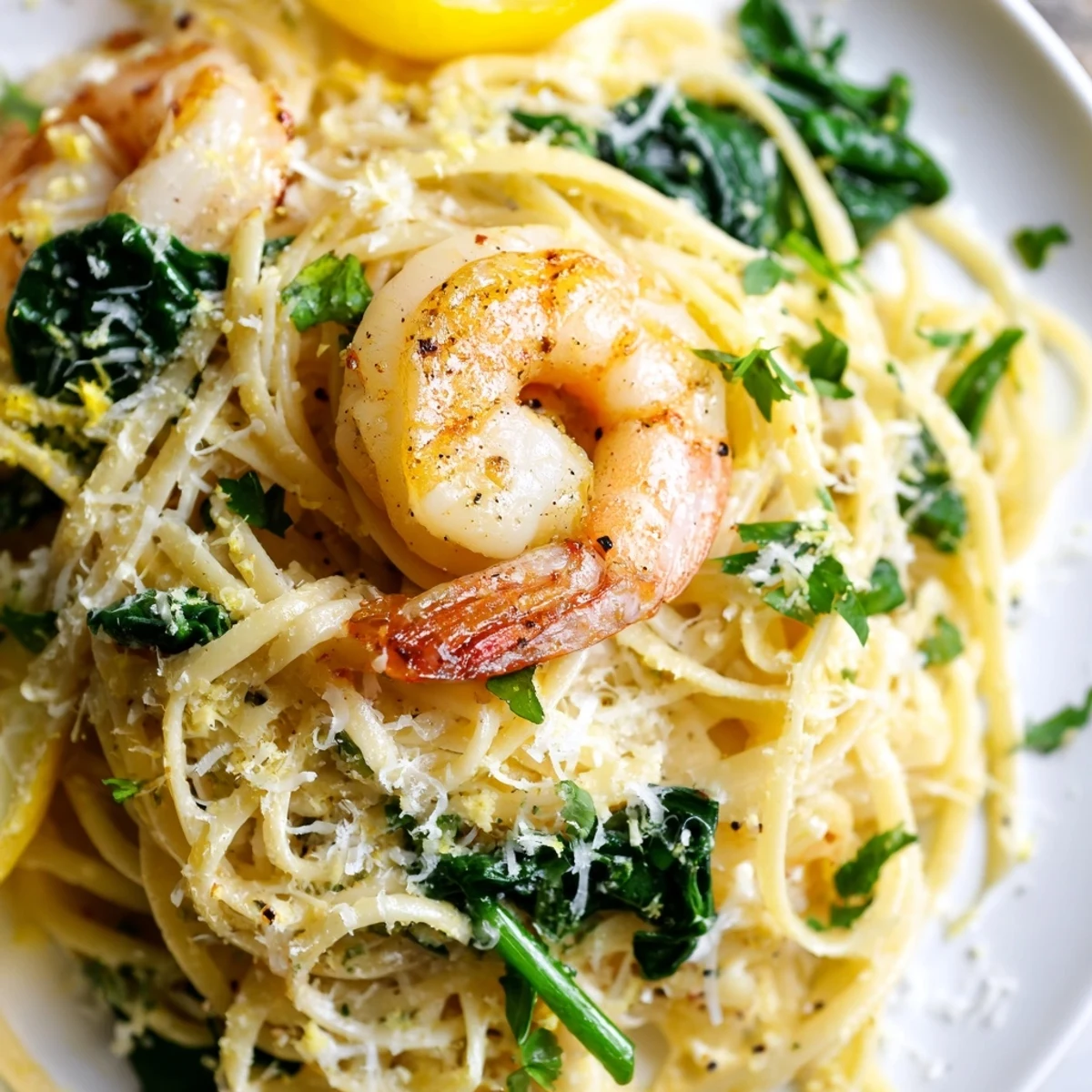
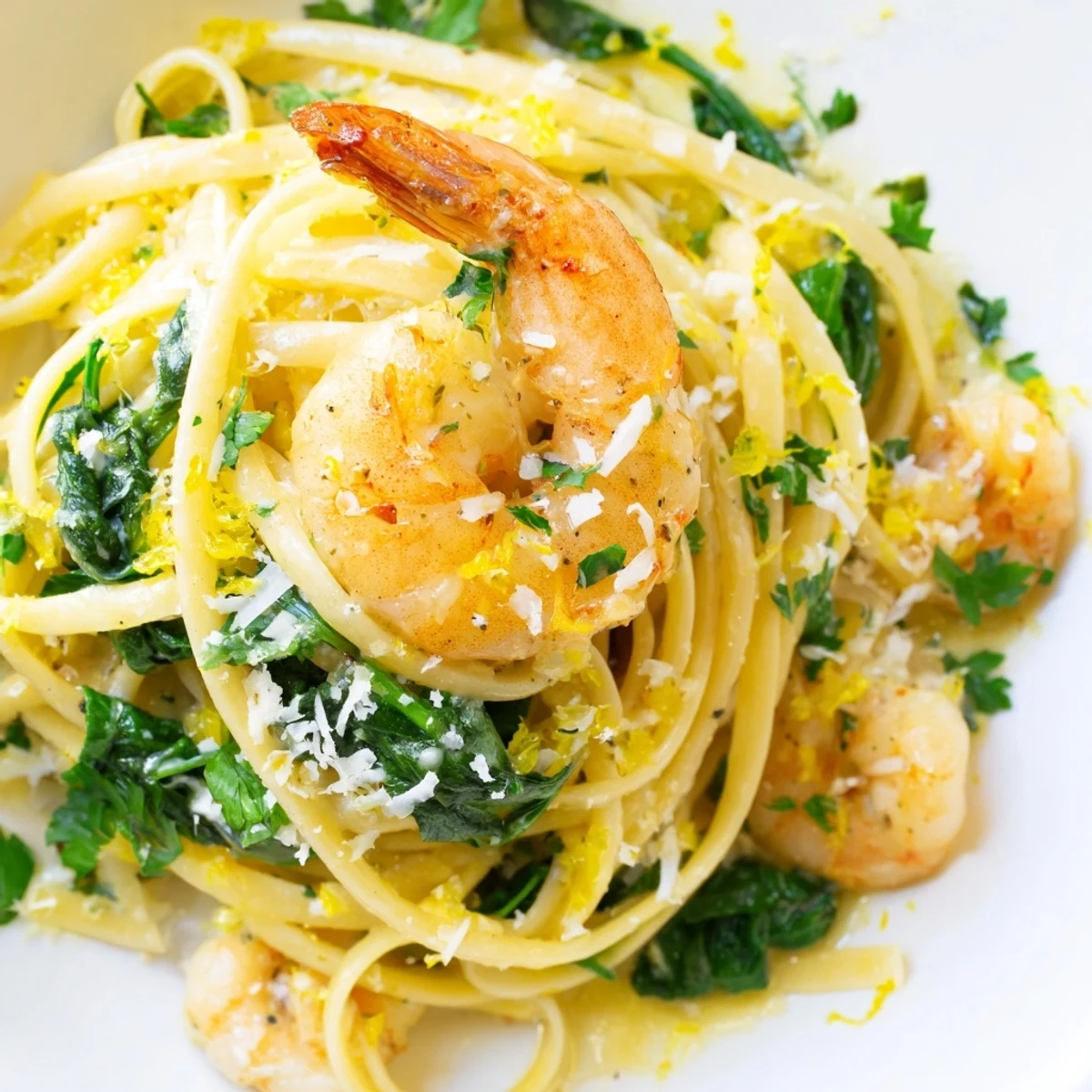
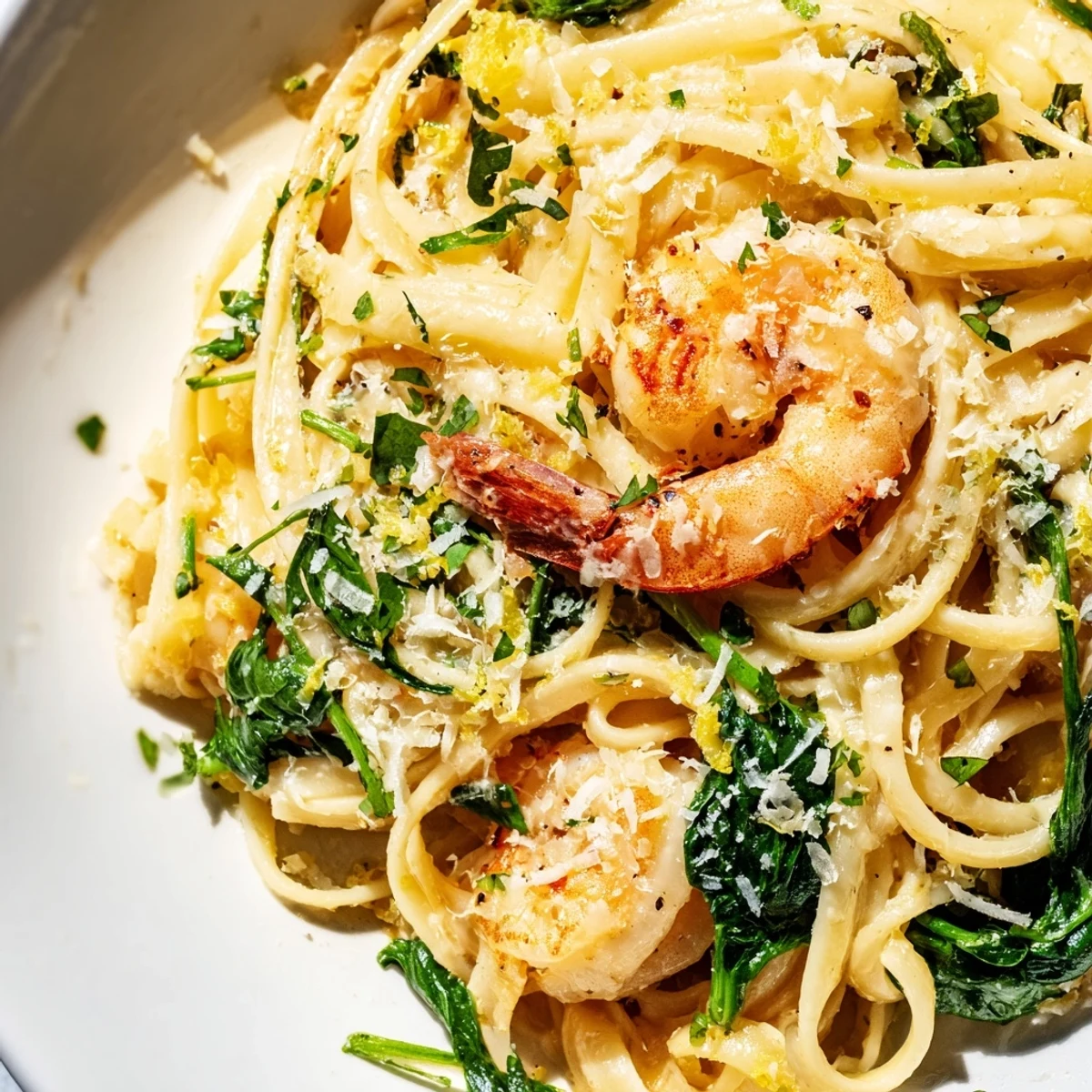
 This vibrant pasta dish combines succulent shrimp sautéed in garlic with fresh baby spinach and a bright lemon sauce. Cook pasta al dente, then toss with shrimp and a silky sauce enriched by butter and Parmesan cheese. The fresh lemon zest and juice brighten the flavors, while the optional red pepper flakes add a gentle heat. Garnished with parsley and lemon wedges, it’s a quick, flavorful option ideal for an easy weeknight dinner.
There's something about the smell of garlic hitting hot oil that makes me move faster in the kitchen, and that's exactly what happens when I make this lemon garlic shrimp pasta. I discovered this dish on a Tuesday evening when I had company coming and barely thirty minutes to work with, so I grabbed what felt right from the pantry and improvised my way to something unexpectedly elegant. The brightness of fresh lemon against tender shrimp and wilted spinach became the kind of meal I kept making, not because it's complicated, but because it tastes like you tried harder than you actually did.
I made this for my neighbor who had just moved in, and watching her face light up when she took that first bite told me I'd nailed something. She asked if I'd been cooking Italian my whole life, and I laughed because honestly, I'd thrown it together while she helped me set the table. That's the magic of this dish—it feels intentional without demanding perfection.
Ingredients
- Linguine or spaghetti, 12 oz: Long pasta catches the sauce beautifully; I prefer linguine because it has more surface area than spaghetti.
- Large shrimp, 1 lb peeled and deveined: The backbone of the dish, and patting them dry before cooking makes all the difference in getting that golden sear.
- Olive oil, 2 tbsp: Use something you'd actually taste on a salad, not the cheapest bottle.
- Garlic, 4 cloves minced: This isn't a suggestion—garlic at this ratio is what makes the whole thing sing.
- Crushed red pepper flakes, ¼ tsp: Optional but honestly, don't skip it; a whisper of heat makes the lemon brighter.
- Fresh baby spinach, 5 oz: It wilts down to almost nothing, so don't be shy with the amount.
- Lemon, 1 large: Zest it first, then juice it; the zest adds complexity that juice alone can't give you.
- Low-sodium broth, ¼ cup: Chicken or vegetable both work; this creates the silky sauce base.
- Unsalted butter, 2 tbsp: Salted butter will throw off your seasoning balance, so stick with unsalted.
- Grated Parmesan, ¼ cup: Freshly grated tastes worlds better than pre-shredded, and it melts more smoothly into the sauce.
- Fresh parsley, 2 tbsp chopped: The final garnish that makes everything look like you knew what you were doing.
- Kosher salt for pasta water, 1 tbsp: The water should taste like the sea; this seasons the pasta from the inside out.
- Lemon wedges: More lemon at the table means everyone can adjust the brightness to their taste.
Instructions
- Get your water boiling and pasta going:
- Fill a large pot with water, add that tablespoon of salt, and bring it to a rolling boil. Cook the pasta according to package instructions, but fish out a piece a minute early and taste it—you want it tender with just a tiny bit of resistance, not mushy.
- Prepare your shrimp while pasta cooks:
- Pat the shrimp completely dry with paper towels, then season them lightly with salt and pepper. Dry shrimp is the secret to a proper sear, so don't skip this step.
- Sear the shrimp in hot oil:
- Get a large skillet hot over medium-high heat, add the olive oil, and wait until you see a faint shimmer. Add the shrimp in a single layer and let them sit undisturbed for about a minute so they get golden, then flip and cook another minute until they turn opaque and pink.
- Build the sauce base with garlic:
- Move the shrimp to a plate and add minced garlic and red pepper flakes to the same skillet. You'll smell the garlic go from raw to fragrant in about thirty seconds—that's your cue it's ready.
- Wilt in the spinach:
- Toss in all that spinach and stir it around until it collapses down, which happens faster than you'd expect. This usually takes about a minute.
- Add brightness with lemon and broth:
- Stir in the lemon zest, fresh lemon juice, and broth, then scrape the bottom of the pan to get all those golden bits. Let it simmer for a minute so the flavors get to know each other.
- Make it silky with butter:
- Lower the heat to low and add the butter, stirring gently until it melts into the sauce completely.
- Bring it all together:
- Reserve half a cup of pasta water before you drain the pasta, then add the drained pasta and cooked shrimp to the skillet. Toss everything together gently, adding pasta water a splash at a time until the sauce coats the pasta like silk.
- Finish and taste:
- Stir in the Parmesan cheese and taste as you go. Add a pinch more salt if it needs it, crack of pepper, or another squeeze of lemon juice.
- Plate and serve:
- Divide among four bowls, scatter parsley on top, add a wedge of lemon on the side, and let everyone add more Parmesan at the table.
 Save to Pinterest
 I once made this dish for a dinner party where someone mentioned they'd been craving restaurant food but couldn't justify the cost, and serving this plate made me realize that elegance isn't about complexity—it's about respecting good ingredients and not overthinking them. That moment shifted how I think about cooking for people.
Why Lemon and Shrimp Are Meant to Be
Lemon doesn't just flavor shrimp; it cuts through the richness and makes the dish feel lighter than it actually is. The acid also brightens the spinach and keeps the pasta from feeling heavy, which is why adding more lemon at the table matters so much. I learned this the hard way when I made a version without fresh lemon juice and everyone said it tasted good but not quite right.
Timing Is Everything Here
This dish lives or dies by its pace—the whole thing takes thirty minutes because nothing sits around long enough to get boring or dry. I've made it when guests were already at the table, with someone chatting from the kitchen stool, and the speed actually made it more fun than stressful. The trick is reading your ingredients and not letting any single element cook longer than it needs.
Make It Your Own
The beauty of this recipe is that it welcomes small changes without falling apart. Some nights I've added a splash of heavy cream for extra richness, other times I've thrown in sliced cherry tomatoes, and once I added a handful of capers because they were sitting open in the fridge. The foundation is strong enough to let you play.
- If you like it spicier, double the red pepper flakes or add fresh sliced red chili to the pan.
- Substitute the spinach with arugula for a peppery version, or use kale if you want something with more body and chew.
- A crisp white wine like Sauvignon Blanc or Pinot Grigio pairs perfectly alongside this, and a splash of the wine in the pan is never wrong.
 Save to Pinterest
 This is the pasta I make when I want to feel like I'm cooking something special but I'm really just following my instincts and the clock. It's become the kind of dinner that feels less like a recipe and more like second nature.
Recipe FAQs
- → How do I keep shrimp tender when cooking?
-
Cook shrimp quickly over medium-high heat, about 1-2 minutes per side, until they turn opaque and lightly golden to ensure they stay tender and juicy.
- → Can I use a different type of pasta?
-
Yes, linguine, spaghetti, or your preferred pasta shape works well. Whole-wheat or gluten-free alternatives can be substituted to suit dietary needs.
- → What adds brightness to the sauce?
-
Lemon zest and juice provide a fresh, zesty flavor that brightens the garlic and butter base of the sauce.
- → How can I adjust the sauce consistency?
-
Reserve some pasta water after cooking and add it gradually to the skillet while tossing pasta and shrimp, achieving a silky, well-coated sauce.
- → Are there optional ingredients for extra richness?
-
Yes, stirring in 2 tbsp of heavy cream with the butter enhances richness and creaminess of the sauce.