
 Save to Pinterest
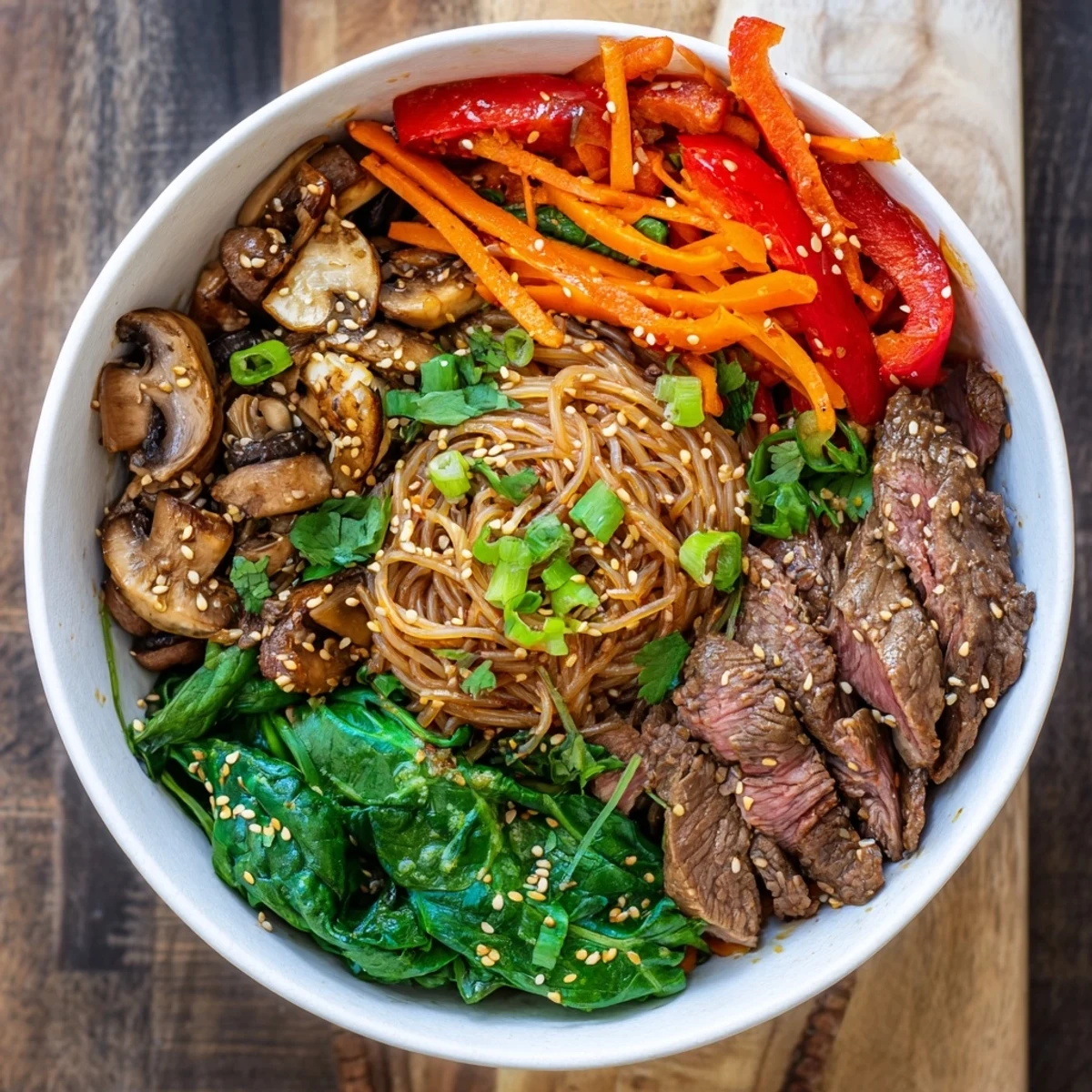
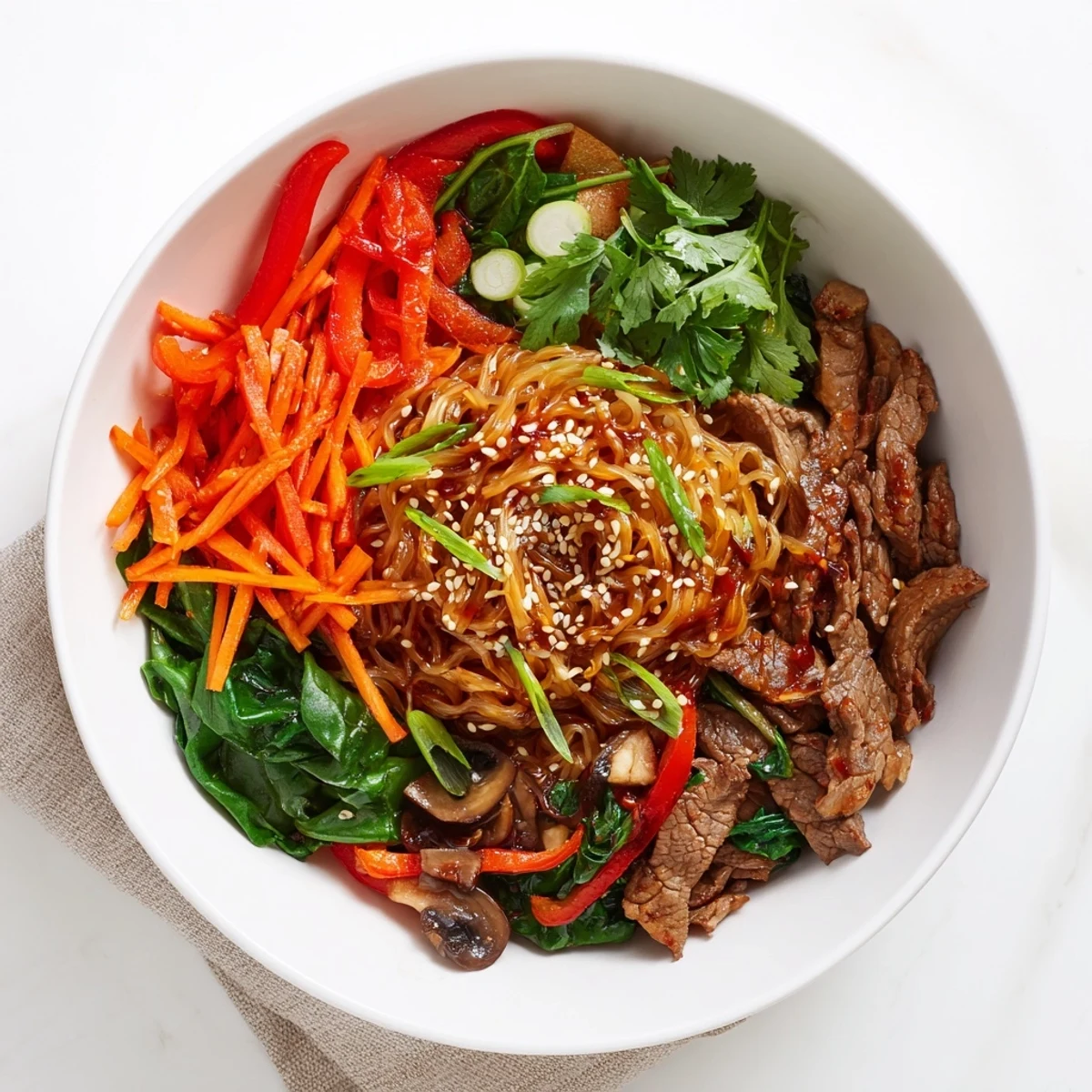
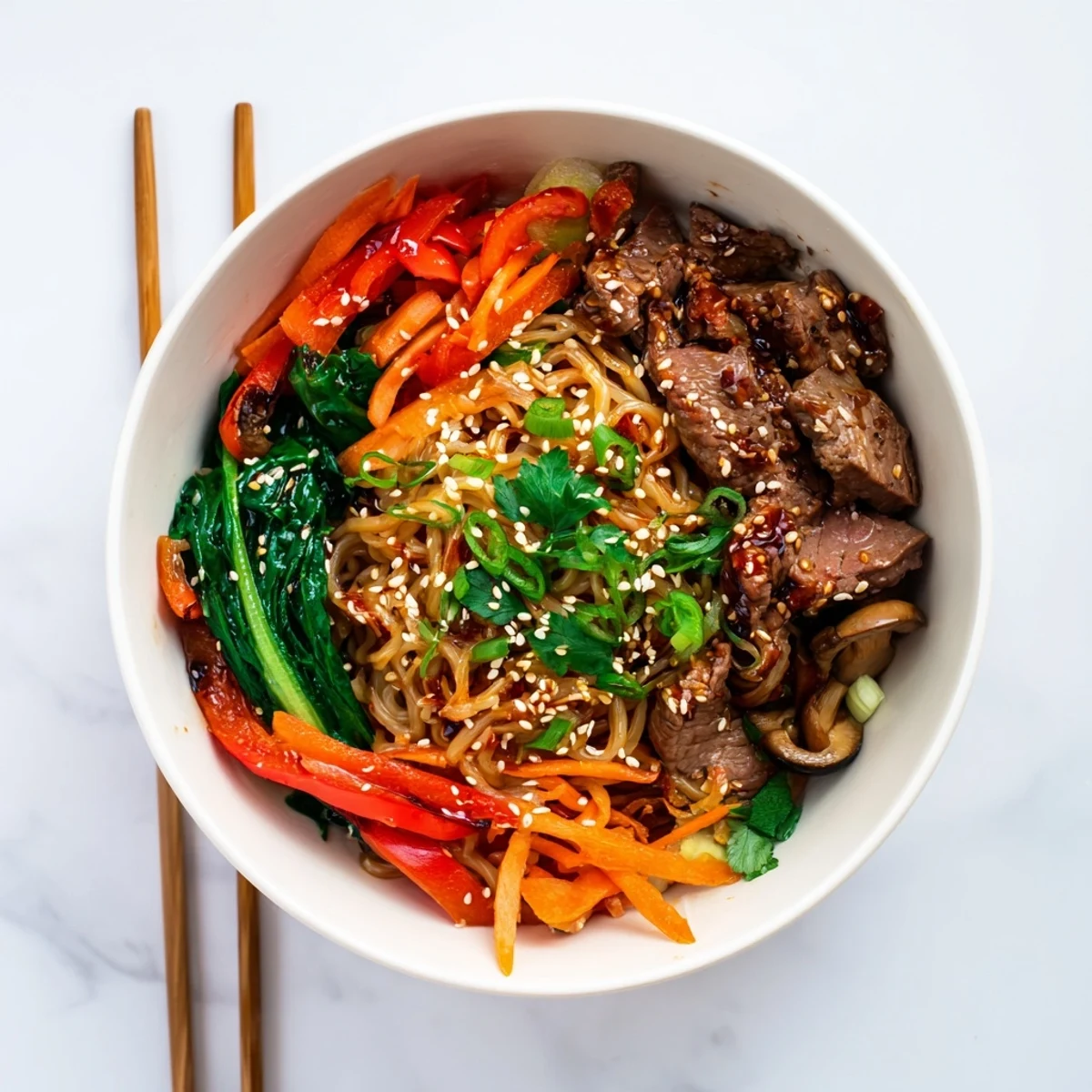
 These Korean beef noodles feature tender marinated beef sirloin stir-fried with colorful vegetables like carrots, bell peppers, and mushrooms. The chewy sweet potato noodles (dangmyeon) are coated in a rich sauce blending gochujang, soy sauce, brown sugar, and rice vinegar. Ready in just 40 minutes, this dish balances sweet and savory flavors with a hint of spice from the Korean chili paste. Garnish with toasted sesame seeds and fresh herbs for extra texture and aroma.
The smell of gochujang hitting hot oil always takes me back to my tiny apartment kitchen where I first attempted Korean cooking. I burned the garlic that first time but could not stop eating the noodles anyway. Now this dish is my weeknight savior when I want something that feels special but comes together faster than delivery would arrive.
My roommate walked in during my tenth attempt at perfecting the sauce balance. She stood in the doorway sampling from a wooden spoon until we finally nailed the ratio of gochujang to brown sugar. Now whenever I make these noodles the kitchen fills with that same aroma and she somehow always appears at the right moment.
Ingredients
- Beef sirloin or ribeye: Thinly slicing against the grain makes every bite tender and quick to cook
- Sweet potato noodles: These chewy glass noodles are what makes the dish authentic but udon works in a pinch
- Gochujang: This fermented chili paste is the heart of Korean cooking and worth buying for your pantry
- Fresh vegetables: The crunch of bell pepper and carrots balances the soft noodles perfectly
Instructions
- Marinate the beef:
- Toss the sliced beef with soy sauce sesame oil sugar and minced garlic letting it sit while you prep everything else
- Cook the noodles:
- Boil the noodles until just tender then rinse under cold water to stop cooking and prevent sticking
- Make the sauce:
- Whisk together soy sauce brown sugar gochujang rice vinegar sesame oil water and ginger until smooth
- Stir fry vegetables:
- Heat your wok until hot then quickly cook carrots peppers and mushrooms until just tender adding spinach and onions at the end
- Cook the beef:
- Sear the marinated beef in the hot wok letting it brown nicely which builds deep flavor in just minutes
- Bring it together:
- Add everything back into the wok pour over that incredible sauce and toss until the noodles turn glossy and red
 Save to Pinterest
 Last winter I made a huge batch for friends who were recovering from the flu. Something about the warm spicy broth and slippery noodles seemed to comfort them more than anything else I could have made.
Noodle Choices Matter
Sweet potato noodles have this incredible bounce that regular pasta just cannot match. I have tried rice noodles spaghetti and even zucchini noodles but nothing gives that same satisfying chew as dangmyeon.
Building Flavor Layers
The secret is in the timing and heat. Getting your wok smoking hot before adding ingredients creates that restaurant quality sear. I learned that patience is not the key here speed is.
Make It Your Own
This recipe adapts beautifully to whatever you have in the crisper drawer. The sauce works with almost any protein or vegetable combination.
- Try adding a fried egg on top for extra richness
- Extra vegetables never hurt anyone
- Leftovers reheat beautifully for lunch the next day
 Save to Pinterest
 There is something so satisfying about slurping these noodles straight from the bowl. I hope this recipe finds its way into your regular rotation the way it has in mine.
Recipe FAQs
- → What type of noodles work best for Korean beef noodles?
-
Sweet potato noodles (dangmyeon) are traditional and provide the perfect chewy texture. Dried udon noodles make an excellent substitute with similar thickness and bite.
- → Can I make this dish spicy?
-
The gochujang adds mild heat naturally. For more spice, increase the chili paste amount or add Korean red pepper flakes (gochugaru) to the sauce mixture.
- → What cut of beef should I use?
-
Sirloin or ribeye works best when thinly sliced against the grain. Partially freezing the beef for 30 minutes makes it easier to slice thinly and evenly.
- → How do I store and reheat leftovers?
-
Store in an airtight container in the refrigerator for up to 3 days. Reheat in a skillet over medium heat, adding a splash of water if noodles seem dry.
- → Can I make this gluten-free?
-
Use tamari instead of soy sauce and choose gluten-free noodles. Verify your gochujang brand is certified gluten-free, as some contain barley malt.
- → What vegetables can I add?
-
Zucchini, broccoli florets, snap peas, or bok choy complement the flavors well. Add heartier vegetables earlier in the stir-fry so they cook through properly.