
 Save to Pinterest
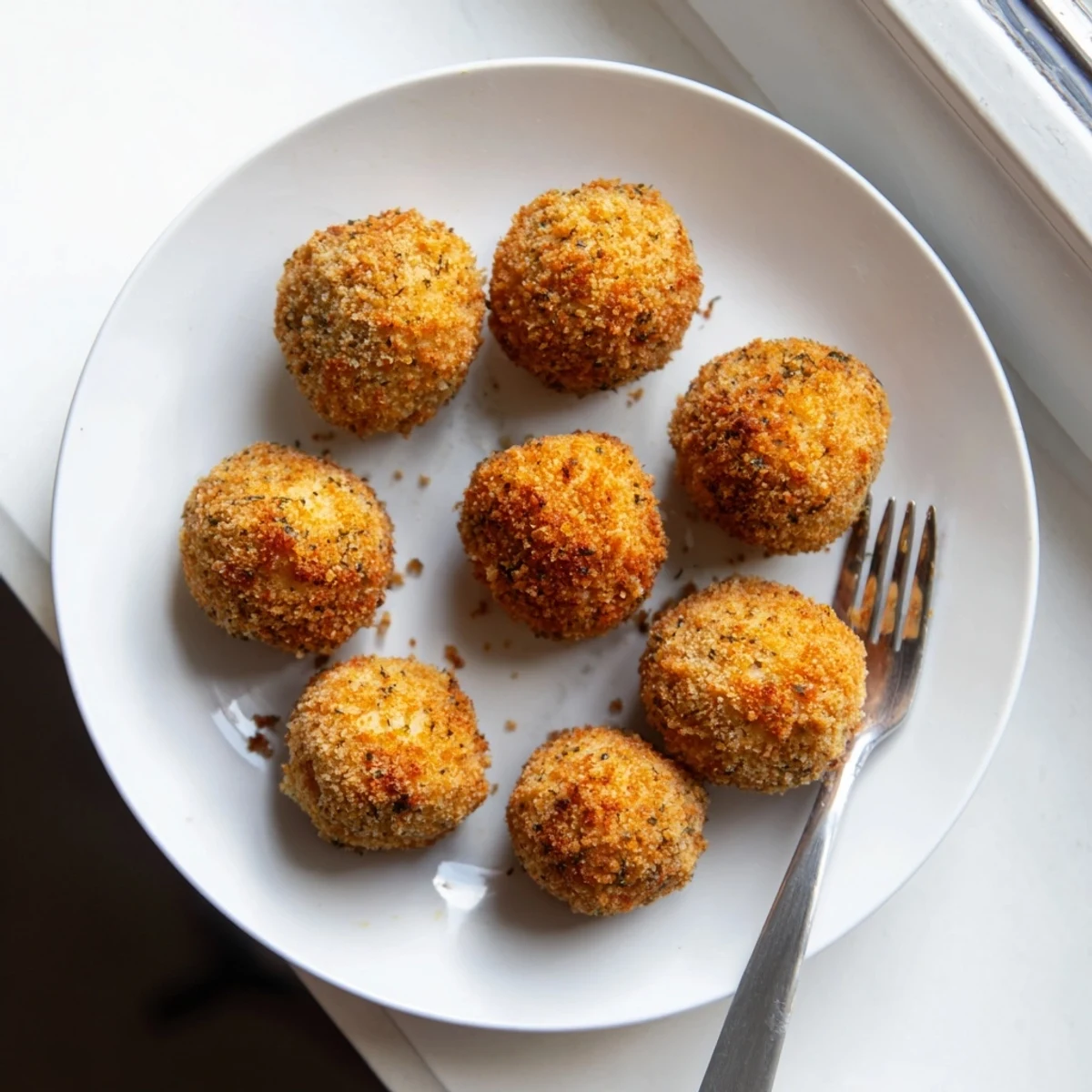
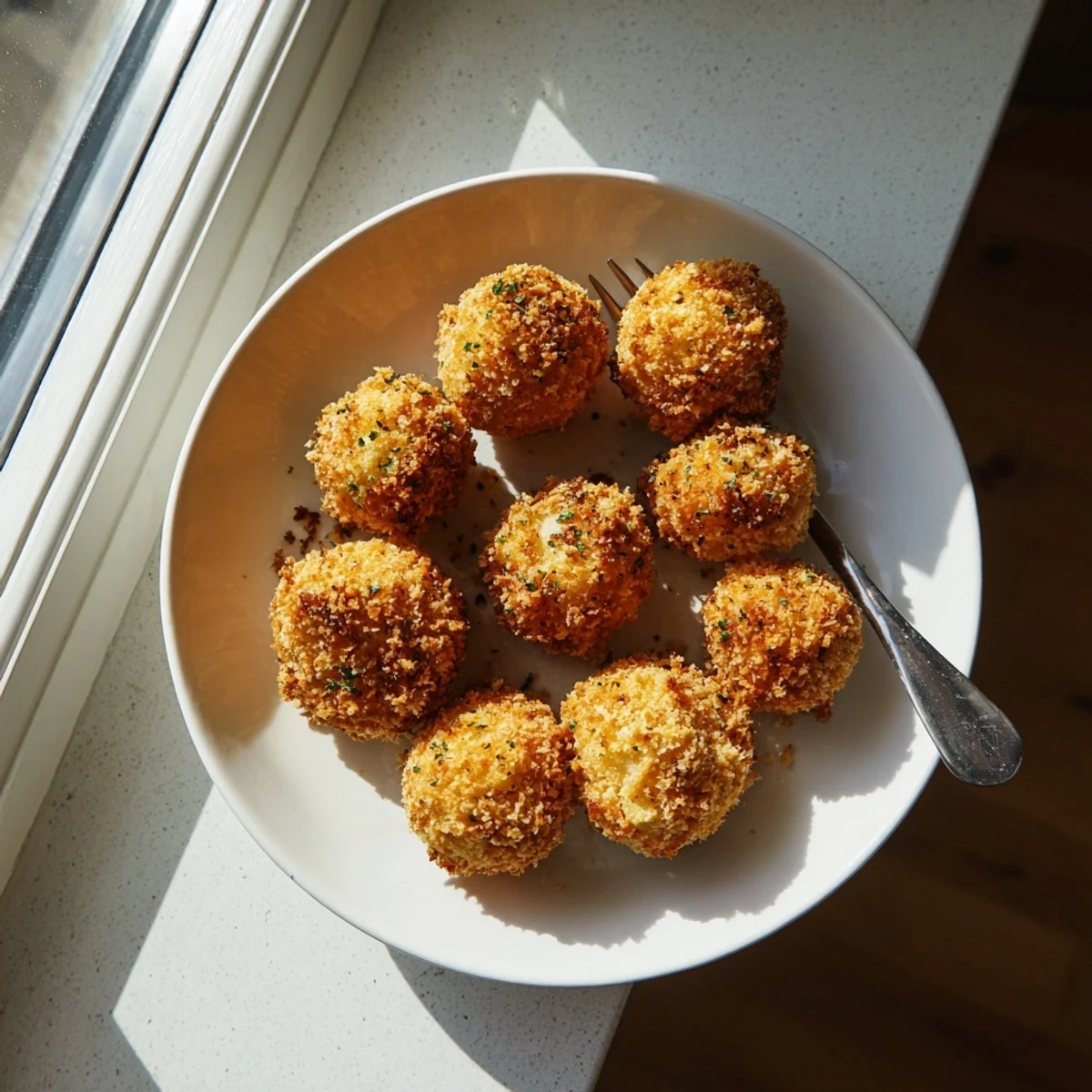
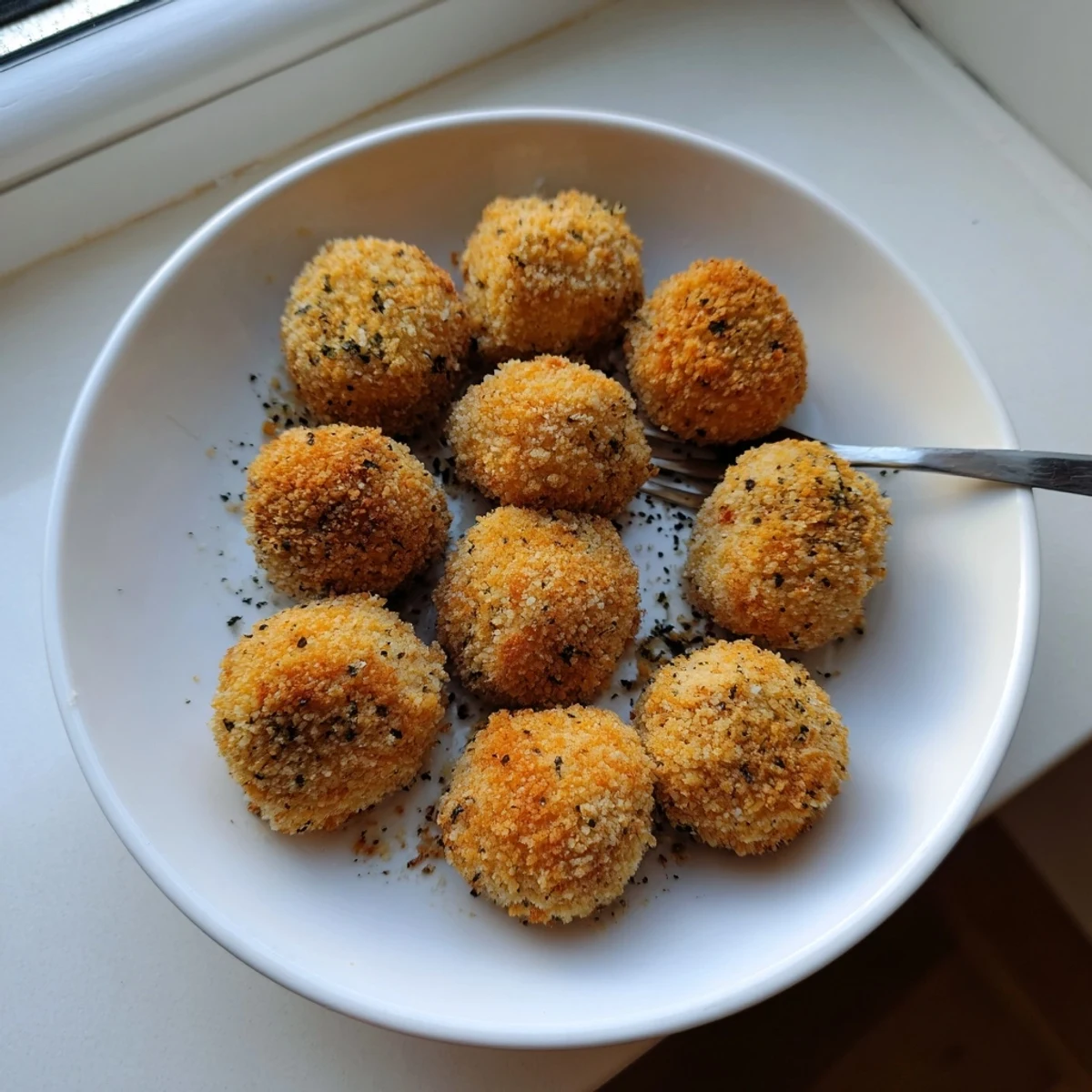
 These golden mozzarella cheese balls feature a perfectly crispy exterior with a warm, gooey center that oozes with every bite. The triple-coating technique—flour, egg, and seasoned breadcrumbs—creates an irresistible crunch while sealing in the melting cheese inside. A brief chill in the refrigerator helps the breading set, ensuring your cheese balls maintain their shape during frying. Ready in just 25 minutes, these Italian-American appetizers are ideal for parties, game days, or whenever cravings strike. Serve them immediately while hot and melty, paired with marinara sauce, garlic aioli, or your favorite dipping sauce.
Last winter, my roommate came home raving about these mozzarella balls from a tiny Italian spot downtown. I took one bite and thought, surely this cant be that complicated to make at home. Three attempts later, I finally nailed the perfect balance of crispy exterior and that gloriously molten center.
I made these for my Super Bowl party last year and people literally stopped watching the game to crowd around the kitchen. My friend Sarah, who claims she hates cooking, asked me three times for the recipe because her kids couldnt stop talking about them.
Ingredients
- Mozzarella cheese: Cut into 2 cm cubes while cold so it holds its shape during coating and frying
- All-purpose flour: Mixed with seasonings to create the first layer of protection that helps the egg adhere
- Large eggs: Beaten until smooth to create the perfect sticky layer for breadcrumbs to cling to
- Panko breadcrumbs: Use these instead of regular breadcrumbs for that extra shattering crunch everyone loves
- Dried Italian herbs and garlic powder: These optional seasonings transform the breading from plain to something truly special
- Salt and black pepper: Essential for seasoning every layer so the final ball is flavorful throughout
- Vegetable oil: Needs to be deep enough to submerge the balls completely for even golden frying
Instructions
- Set up your coating station:
- Arrange three shallow bowls in order: flour mixed with salt, pepper, garlic powder and herbs; beaten eggs; and finally the breadcrumbs. This assembly line approach keeps the process smooth and mess-free.
- Prep the mozzarella:
- Pat each cube completely dry with paper towels before starting. Any moisture on the surface will prevent the flour from sticking properly and cause the coating to slide off during frying.
- Start the coating process:
- Roll each cheese cube in the flour mixture until lightly coated, then dip it into the egg, letting excess drip off. Finally press it firmly into the breadcrumbs, making sure the entire surface is covered.
- Double coat for extra crunch:
- For that restaurant-quality crunch, repeat the egg and breadcrumb steps. This second layer is what creates that satisfying thick shell that shatters when you bite into it.
- Chill before frying:
- Place all the breaded balls on a tray and refrigerate for at least 10 minutes. This crucial step helps the coating set firmly so it wont fall apart in the hot oil.
- Heat the oil:
- Pour enough vegetable oil into a deep pan or fryer to reach 175°C (350°F). The oil needs to be hot enough to instantly seal the coating, preventing cheese from leaking out.
- Fry to golden perfection:
- Cook the cheese balls in small batches for just 1 to 2 minutes until they turn a beautiful golden brown. Crowding the pan will lower the oil temperature and make them soggy.
- Drain and serve immediately:
- Lift them out with a slotted spoon and let excess oil drain on paper towels. These are best enjoyed straight from the fryer while the cheese is still molten and stretchy.
 Save to Pinterest
 My nephew declared these better than the ones at his favorite Italian restaurant, and honestly, I kind of agree. Theres something incredibly satisfying about making something so indulgent in your own kitchen.
Perfecting the Crunch
I learned that panko breadcrumbs are nonnegotiable for that restaurant-style crunch. Regular breadcrumbs tend to get soggy, but panko stays airy and creates this incredible shatter effect when you bite in.
Temperature Matters
Invest in a kitchen thermometer if you dont have one. If the oil is too cool, the cheese will melt before the coating crisps up. Too hot and the outside burns before the inside is warm.
Serving Suggestions
These disappear fastest when served with warmed marinara sauce or a garlic aioli for dipping. I also like to sprinkle them with a little flaky salt and dried parsley right after they come out of the oil.
- Make them small for appetizers or larger for a main course portion
- Add a pinch of cayenne to the flour mixture for a spicy version
- Keep them warm in a 200°F oven if frying multiple batches
 Save to Pinterest
 These mozzarella balls have become my go-to for everything from casual movie nights to dinner parties. Once you master them, theyre the kind of recipe that makes everyone think youre a kitchen wizard.
Recipe FAQs
- → How do I prevent cheese from leaking during frying?
-
Ensure the mozzarella cubes are thoroughly coated at each breading stage. Double-coating by repeating the egg and breadcrumb steps creates an extra seal. Refrigerating the breaded cheese balls for at least 10 minutes before frying helps the coating set and minimizes leakage.
- → Can I bake these instead of frying?
-
Yes, bake at 400°F (200°C) for 12-15 minutes until golden, turning halfway. The texture will be slightly less crispy than deep-fried versions. Spray with oil before baking for better browning.
- → What oil temperature is best for frying?
-
Maintain oil at 175°C (350°F). If the oil is too hot, the coating burns before the cheese melts. Too cool, and the balls absorb excess grease. Use a kitchen thermometer for best results.
- → Can I freeze uncooked cheese balls?
-
Freeze breaded but uncooked cheese balls in a single layer, then transfer to a freezer bag. They'll keep for up to 1 month. Fry from frozen, adding 1-2 extra minutes to cooking time.
- → What dipping sauces pair well?
-
Classic marinara is the traditional choice. Garlic aioli, spicy arrabbiata, or ranch dressing also complement beautifully. For a tangy twist, try honey mustard or basil pesto.