
 Save to Pinterest
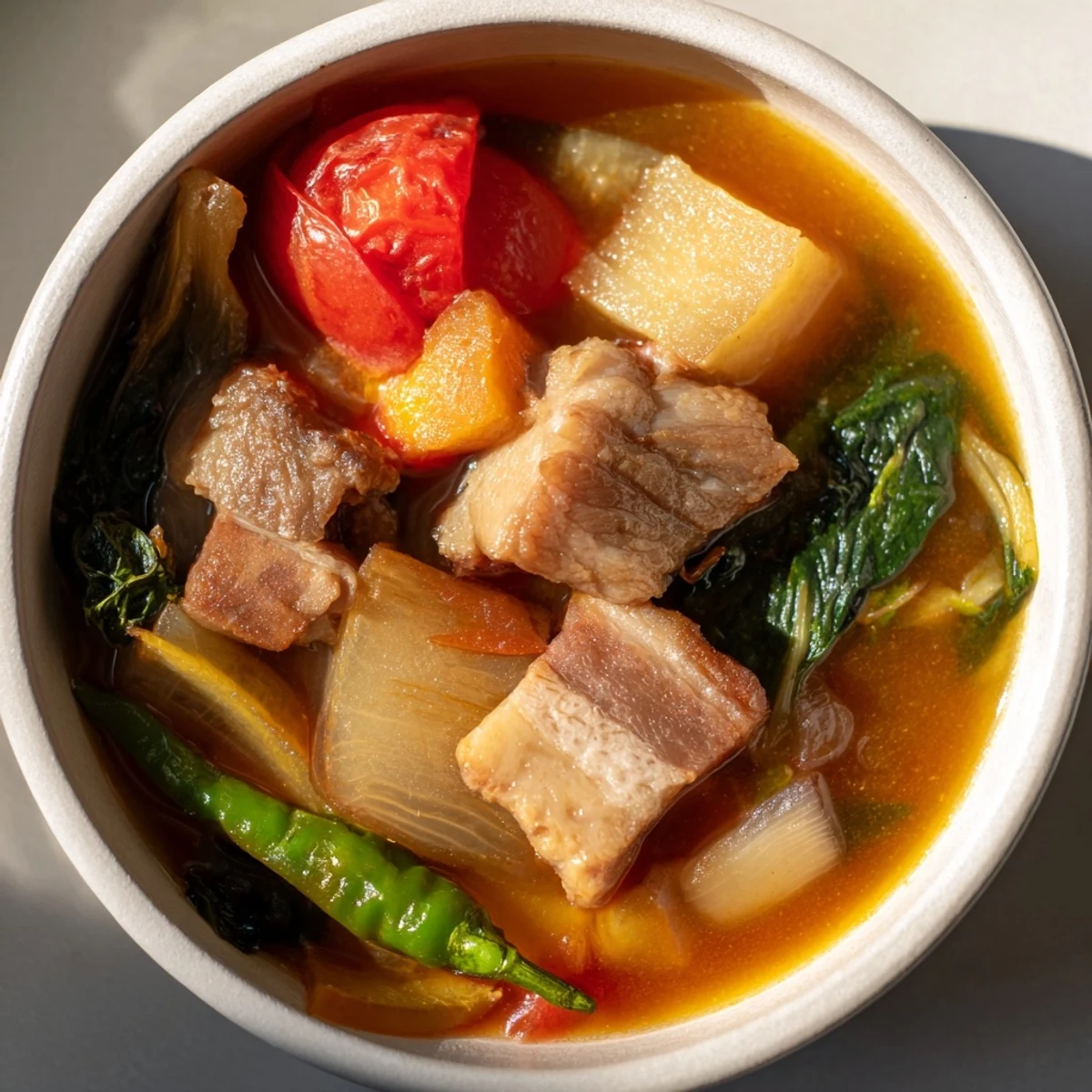
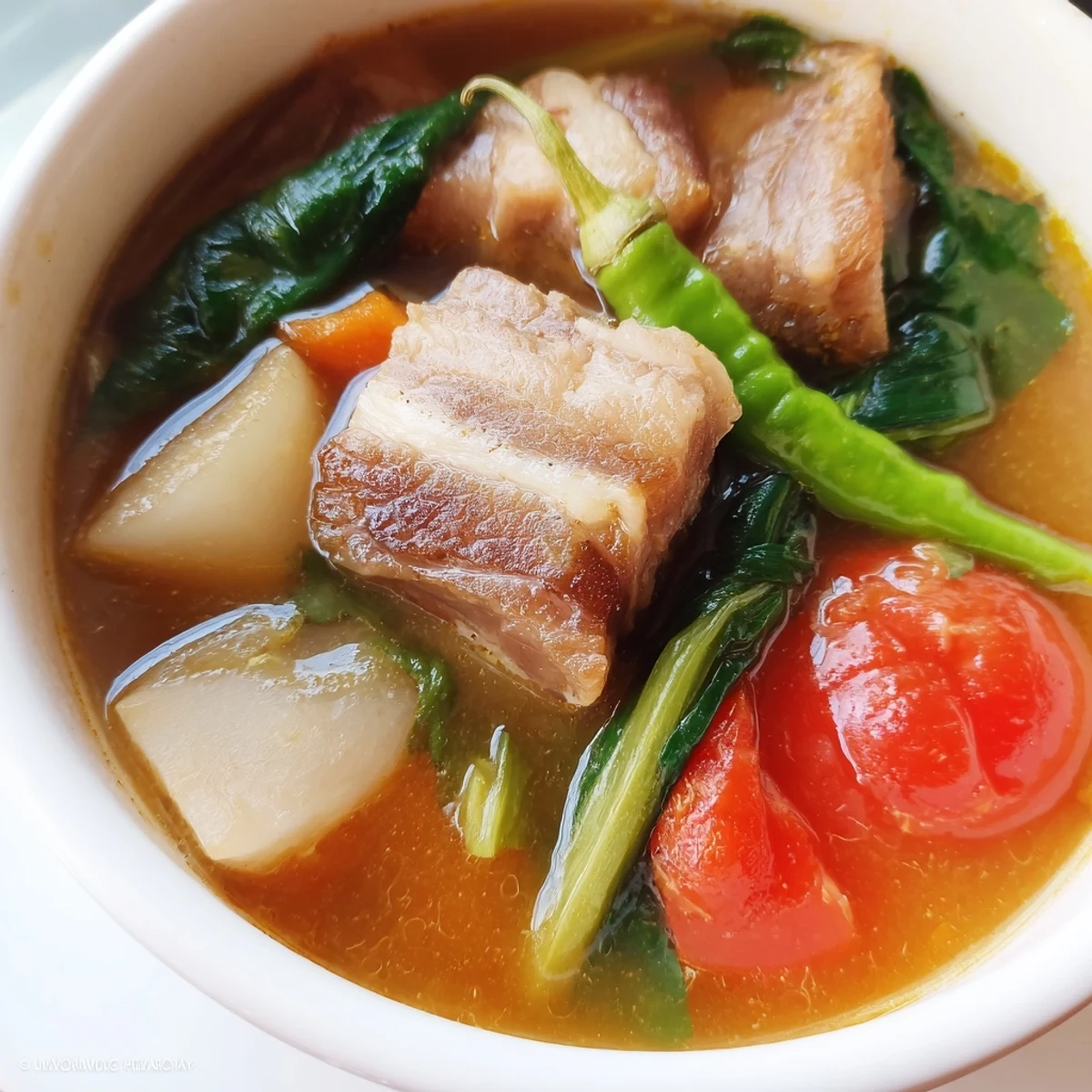
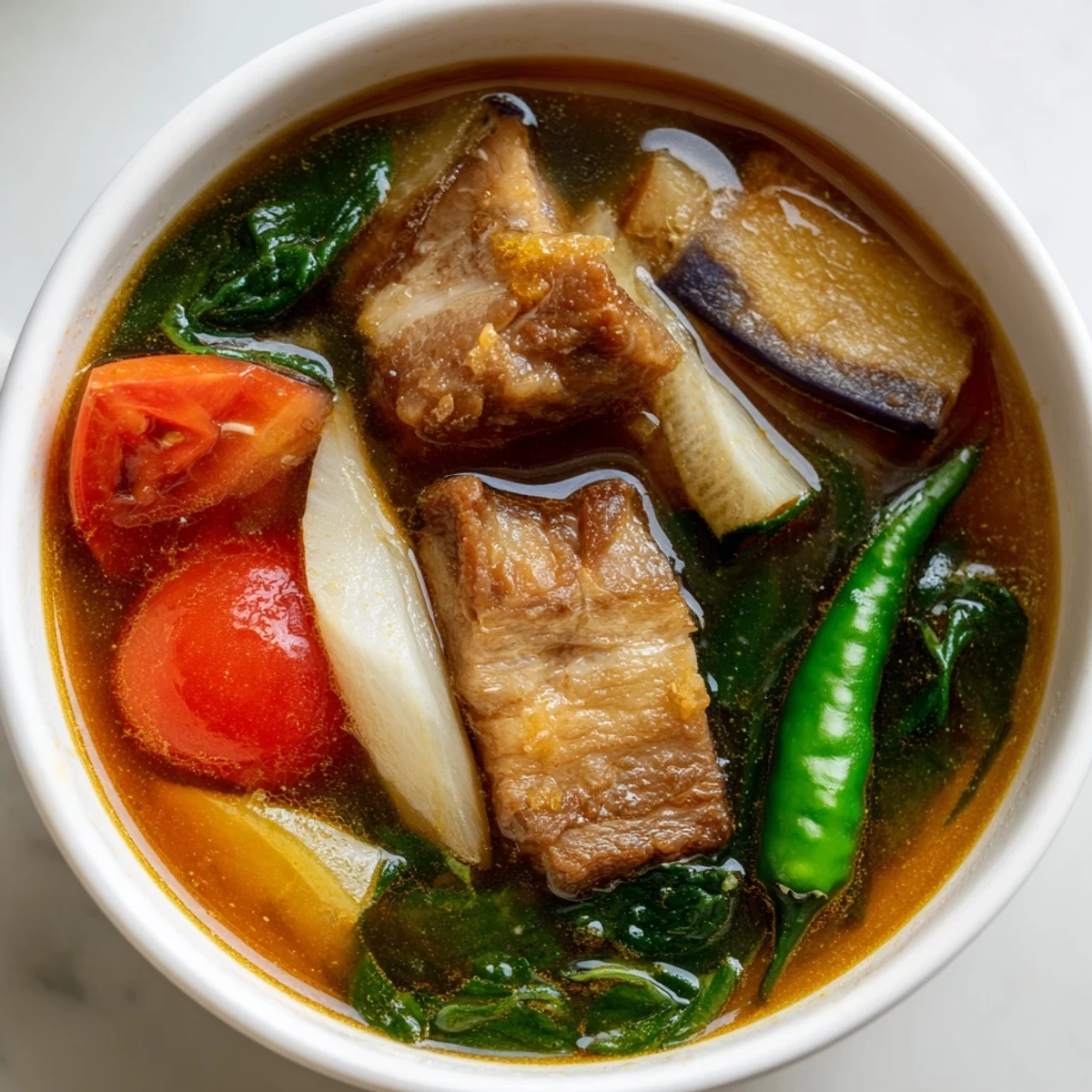
 This beloved Filipino comfort dish features a rich, tangy broth that perfectly balances savory and sour flavors. The soup combines tender pork with an array of fresh vegetables including tomatoes, daikon radish, eggplant, and leafy greens. The signature sourness comes from tamarind, which gives this warming dish its distinctive character.
Ready in just over an hour, this hearty soup yields six generous servings and pairs beautifully with steamed white rice. The recipe is naturally dairy-free and offers flexibility with protein options - swap pork for shrimp or fish for a lighter variation.
Rainy season in Manila always meant one thing appearing on our dinner table, that steaming pot of Sinigang with its unmistakable sour aroma drifting through the house. My grandmother would insist the perfect sourness came from fresh tamarind she would boil and mash herself, spending nearly an hour getting that precise balance that made us instinctively reach for more rice. The first time I attempted it using the instant mix, I nearly cried when the taste wasnt quite right, calling her at midnight to ask what went wrong.
Last Tuesday, my neighbor smelled the tamarind simmering through our open kitchen window and showed up with her own rice cooker, claiming Sinigang demands to be shared. We spent the entire lunch picking out the best chunks of pork and arguing over who got the last piece of eggplant, the way Filipino families do when the food reminds them of home.
Ingredients
- 1 kg pork belly or ribs: The marbling in pork belly creates richness that balances beautifully with the sour broth, though ribs offer satisfying meat-on-bone moments
- 2 medium tomatoes: These break down into the soup providing natural sweetness and depth, so quarter them generously
- 1 large onion: Quartered onion becomes melty and sweet, forming the aromatic foundation that makes Sinigang so comforting
- 1 daikon radish: Peeled and sliced radish absorbs that tangy broth, becoming tender bites that literally soak up the soul of the dish
- 10 string beans: Trimmed into 2-inch pieces, these add a slight crunch that keeps every spoonful interesting and textural
- 1 eggplant: Slices become silky and almost creamy in the hot broth, my absolute favorite vegetable to fish out first
- 2 cups spinach or kangkong: Added at the very end, these wilt into silky greens without turning mushy or losing their vibrant color
- 40g tamarind soup base mix: This shortcut delivers consistent sourness, though fresh tamarind pulp will give you deeper, more complex acidity
- 2 tbsp fish sauce: Essential for that authentic Filipino umami, salty depth that water alone cannot provide
- 6 cups water: Start with this amount but know you can always add more if the soup reduces too much during simmering
Instructions
- Start the broth base:
- Bring your water to a rolling boil in a large pot, then add the pork chunks, skimming off any gray foam that rises to the top for a cleaner tasting soup.
- Build the aromatic foundation:
- Add your quartered tomatoes and onion, letting them simmer alongside the pork for about 20 minutes until the meat begins to yield to gentle pressure.
- Add hearty vegetables:
- Stir in the daikon radish slices and cook for 10 minutes, testing a piece to ensure it is tender but not falling apart.
- Introduce delicate vegetables:
- Add the eggplant, string beans, and those optional green chili peppers, simmering for just 5 minutes so they retain some texture.
- Create the signature sour broth:
- Mix in the tamarind soup base, dissolving it completely, or strain fresh tamarind pulp into the pot, letting the broth transform into that familiar cloudy orange tangy perfection.
- Season and balance:
- Add the fish sauce, salt, and pepper, tasting after each addition to achieve that perfect balance of sour, salty, and savory.
- Finish with fresh greens:
- Drop in the spinach or kangkong leaves and simmer for just 2 to 3 minutes until they wilt beautifully but stay bright green.
- Serve immediately:
- Ladle the hot soup over steaming white rice, making sure each bowl gets a generous mix of meat, vegetables, and that precious sour broth.
 Save to Pinterest
 My husband once requested Sinigang for his birthday dinner instead of steak, claiming nothing makes him feel more loved and at home than that first sip of sour broth. Watching him close his eyes after every spoonful made me realize this soup carries more than just flavor.
Choosing Your Protein
Pork belly creates the richest version but do not hesitate to try shrimp, adding them in just the last 5 minutes so they stay tender and sweet. Fish fillets work beautifully too, gently simmering until they flake apart into that tangy broth.
Vegetable Variations
Okra was always my grandmothers secret addition, releasing natural thickeners that give the soup body. Taro chunks absorb the sour flavors beautifully while adding a subtle creaminess that makes every spoonful feel substantial.
Serving Suggestions
Filipinos always serve Sinigang with plenty of steaming white rice to soak up that precious broth. A simple side of crispy fried fish or grilled pork skewers can turn this soup into a complete feast for a weekend gathering.
- Prepare extra rice because the broth makes it impossible not to go back for seconds
- Set out small dishes of fish sauce on the table so guests can adjust their own seasoning
- Squeeze fresh calamansi over individual bowls for an extra bright burst of citrus just before eating
 Save to Pinterest
 There is something almost magical about how a simple bowl of sour soup can transport you across oceans and back into childhood kitchens, making any rainy day feel like home.
Recipe FAQs
- → What makes Sinigang sour?
-
The distinctive sourness comes from tamarind, either using fresh tamarind pulp boiled and strained, or a convenient tamarind soup base mix. This creates the signature tangy broth that defines Sinigang.
- → Can I use other proteins besides pork?
-
Absolutely. While pork belly or ribs are traditional, you can substitute with beef, shrimp, or fish. Seaeding proteins should be added during the last 10 minutes of cooking to prevent overcooking.
- → What vegetables go best in Sinigang?
-
Classic additions include tomatoes, onions, daikon radish, eggplant, string beans, and leafy greens like spinach or water spinach (kangkong). You can also add okra or taro based on preference.
- → How do I adjust the sourness level?
-
Start with the recommended amount of tamarind base, then taste before serving. Add more tamarind mix for increased sourness, or balance with additional salt or a touch more water if needed.
- → Is Sinigang suitable for meal prep?
-
Yes, the flavors often improve after sitting. Store in the refrigerator for up to 3 days. Reheat gently, adding a splash of water if needed. Add fresh greens just before serving for best texture.
- → What should I serve with Sinigang?
-
Steamed white rice is the traditional accompaniment, helping balance the tangy broth. A chilled glass of Sauvignon Blanc also pairs wonderfully with the sour and savory notes.