
 Save to Pinterest
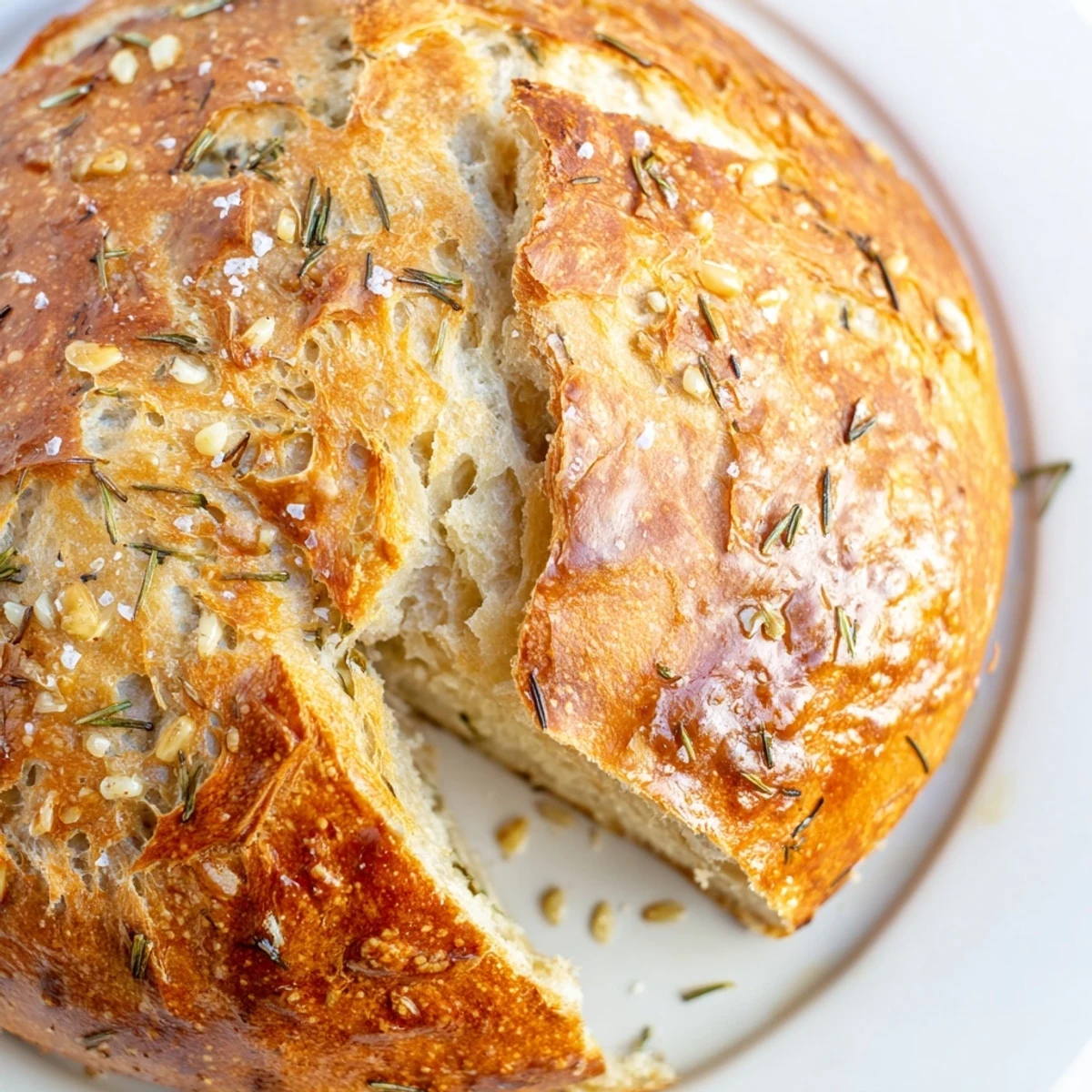
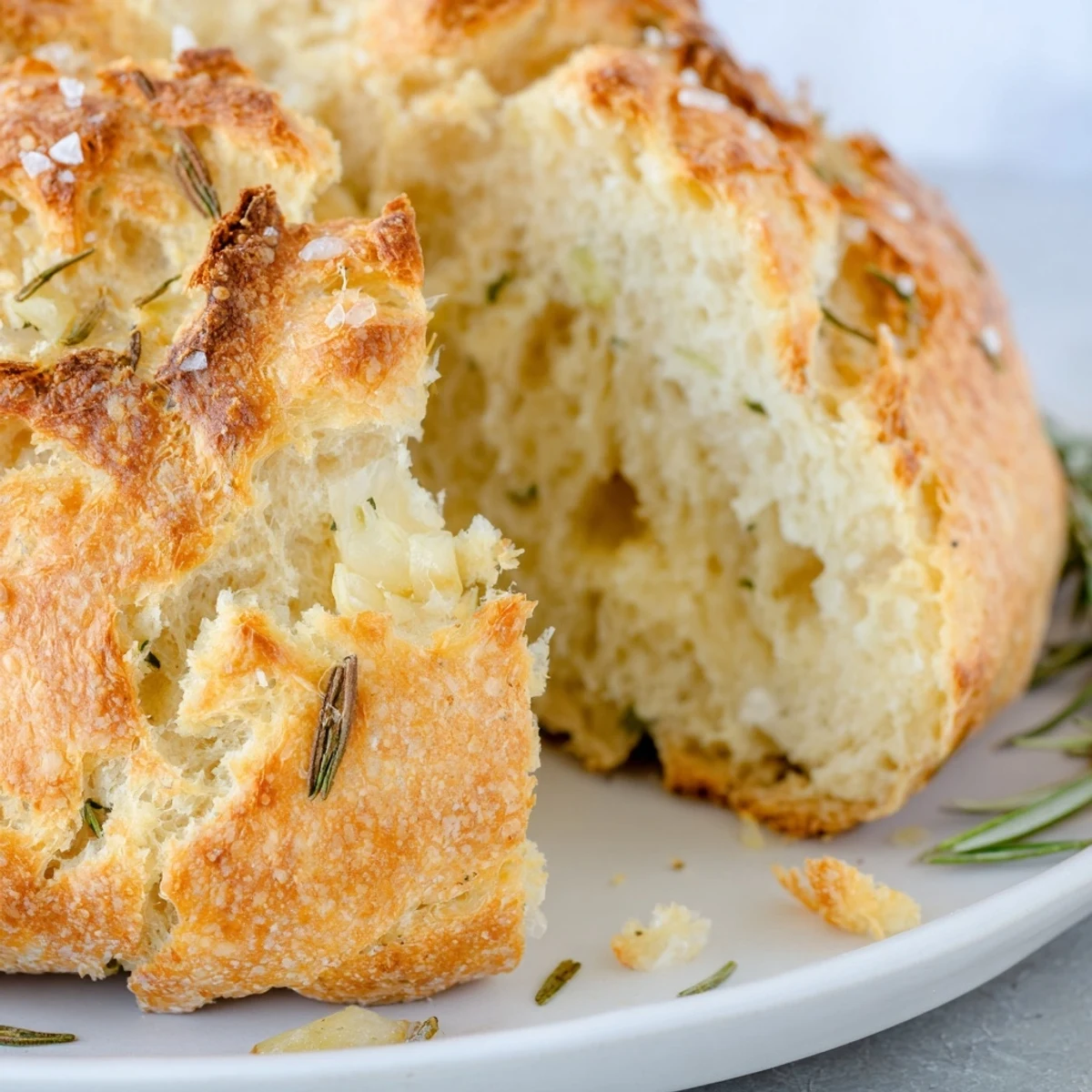
 Create bakery-worthy bread at home with this aromatic European-style loaf featuring roasted garlic and fresh rosemary. The Dutch oven method produces an irresistibly crisp crust while keeping the interior tender and airy. After roasting garlic heads until golden and caramelized, mix them into a simple dough along with chopped rosemary for deep, savory flavor throughout. Two rising periods develop exceptional texture and complex taste. The hot Dutch oven creates steam that professional bakeries use to achieve that signature crackling crust. Perfect for dipping in olive oil, serving alongside soups, or enjoying warm from the oven with butter.
The first time I made bread in a Dutch oven, I stood in my kitchen in socks, convinced Id burn something. The oven radiated such intense heat that I actually stepped back twice. But when I lifted that lid and saw the most beautiful golden crust Id ever created, something shifted. My tiny apartment smelled like a corner bakery in Paris, and I felt ridiculously proud.
Last winter, my neighbor knocked on my door while this bread was baking. She thought Id ordered from a specialty bakery. We stood in my hallway eating warm slices with butter, talking about everything and nothing, until the entire loaf vanished. Sometimes food creates its own kind of magic.
Ingredients
- Bread flour: The higher protein content creates better structure and chew than all purpose flour
- Active dry yeast: One packet works perfectly, but check the expiration date for best results
- Fine sea salt: Balances flavor and helps control yeast activity
- Fresh rosemary: Woody stems go into the roast, tender leaves get chopped into the dough
- Whole garlic head: Roasting mellows the sharpness into sweet, spreadable cloves
- Olive oil: Use a good one here since the flavor really comes through
- Flaky sea salt: The finishing touch that adds crunch and pops of salty brightness
Instructions
- Roast your garlic first:
- Slice the top off your garlic head, drizzle with olive oil, wrap tightly in foil, and roast at 400°F for about 35 minutes until cloves feel soft. Let cool completely before squeezing out those golden cloves.
- Mix your dough:
- Combine flour, yeast, and salt in a large bowl, then stir in lukewarm water until you have a shaggy, sticky dough. Fold in the mashed roasted garlic and chopped rosemary until distributed throughout.
- Let it rise:
- Cover your bowl with plastic wrap or a clean towel and set it somewhere warm. Walk away for 1 to 2 hours until dough has doubled and looks beautifully bubbly on top.
- Shape the loaf:
- Turn dough onto a floured surface and fold edges toward the center to create tension. Place seam side down on parchment paper, brush with olive oil, and sprinkle with flaky salt and extra rosemary.
- Heat your Dutch oven:
- Place your empty Dutch oven and lid in a cold oven, then heat to 450°F. Let it get properly hot for at least 30 minutes while your dough rests for its final 30 minute rise.
- Bake with steam:
- Carefully transfer parchment with dough into the screaming hot Dutch oven. Cover with lid and bake 30 minutes, then remove lid and bake another 12 to 15 minutes until deeply golden.
- Cool completely:
- Lift bread out and let cool on a wire rack for at least 30 minutes. Cutting too early releases steam and makes the interior gummy, so resist the temptation.
 Save to Pinterest
 This bread has become my go to for housewarming gifts and dinner parties. Last month I made three loaves for a friends birthday and people kept asking where I bought it. Watching faces light up at first bite never gets old.
Getting The Rise Right
Your dough needs a warm, draft free spot to rise properly. I turn my oven light on and place the bowl inside the turned off oven. The gentle heat creates the perfect environment. If your kitchen runs cold, the rise might take longer, and thats perfectly fine. Watch the dough, not the clock.
Mastering The Crust
The Dutch oven technique works by trapping steam from the dough, which keeps the crust soft initially and allows maximum oven spring. When you remove the lid, that steam escapes and the crust sets. For an even crunchier exterior, mist the dough with water right before baking. The result is bakery quality without any special equipment.
Make Ahead Success
You can roast the garlic up to three days ahead and store it in the refrigerator. The dough actually benefits from an overnight rise in the fridge, developing deeper flavor. And fully baked bread freezes beautifully for up to three months.
- Slice before freezing so you can toast individual pieces straight from frozen
- Wrap cooled bread tightly in plastic wrap, then foil for freezer storage
- Thaw overnight on the counter or warm frozen slices in a 350°F oven
 Save to Pinterest
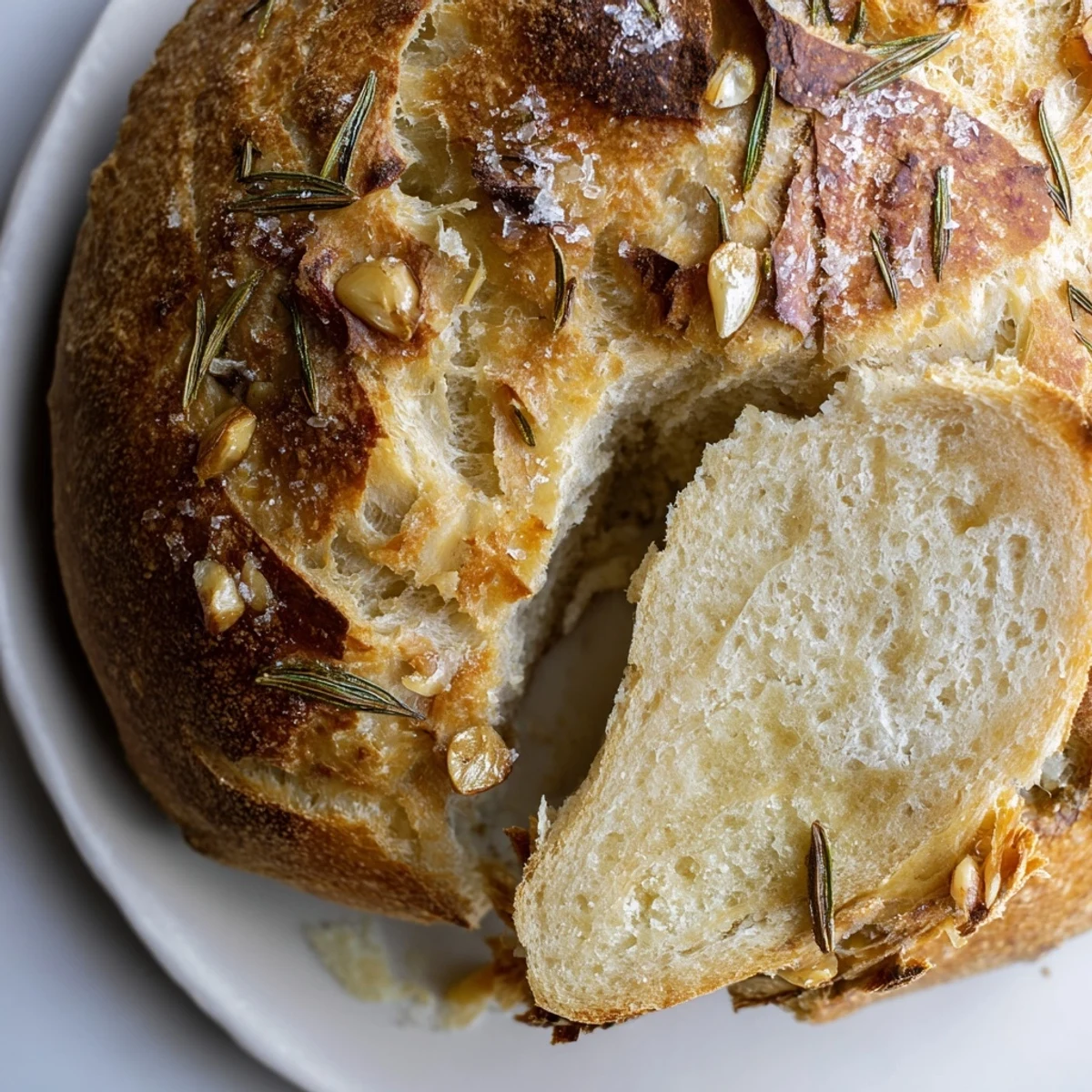
 Theres something deeply satisfying about making bread with your own hands. May your kitchen always smell like rosemary and roasted garlic.
Recipe FAQs
- → Why use a Dutch oven for bread?
-
The preheated Dutch oven traps steam from the dough, creating the perfect environment for a crispy, crackling crust while keeping the inside moist and tender—mimicking professional steam-injected ovens.
- → Can I use dried rosemary instead of fresh?
-
Fresh rosemary provides superior aroma and flavor, but you can substitute 2 teaspoons dried rosemary. Rehydrate it in warm water for 10 minutes before adding to prevent a woody texture.
- → How do I know when the bread is done?
-
The bread is finished when the crust is deep golden brown and the loaf sounds hollow when tapped on the bottom. An instant thermometer inserted into the center should read 200-205°F (93-96°C).
- → Can I make this ahead of time?
-
After the first rise, refrigerate the dough overnight for slow fermentation. This enhances flavor development. Let it come to room temperature for 30 minutes before shaping and baking.
- → What can I serve with this bread?
-
This aromatic loaf pairs beautifully with olive oil and balsamic dipping, alongside hearty soups and stews, or simply warmed with salted butter. The garlic and rosemary flavors complement Italian and Mediterranean dishes perfectly.
- → How should I store leftovers?
-
Keep at room temperature wrapped in a clean cloth or paper bag for up to 2 days. For longer storage, slice and freeze in a sealed bag—toast individual slices straight from frozen for fresh-baked taste.