
 Save to Pinterest
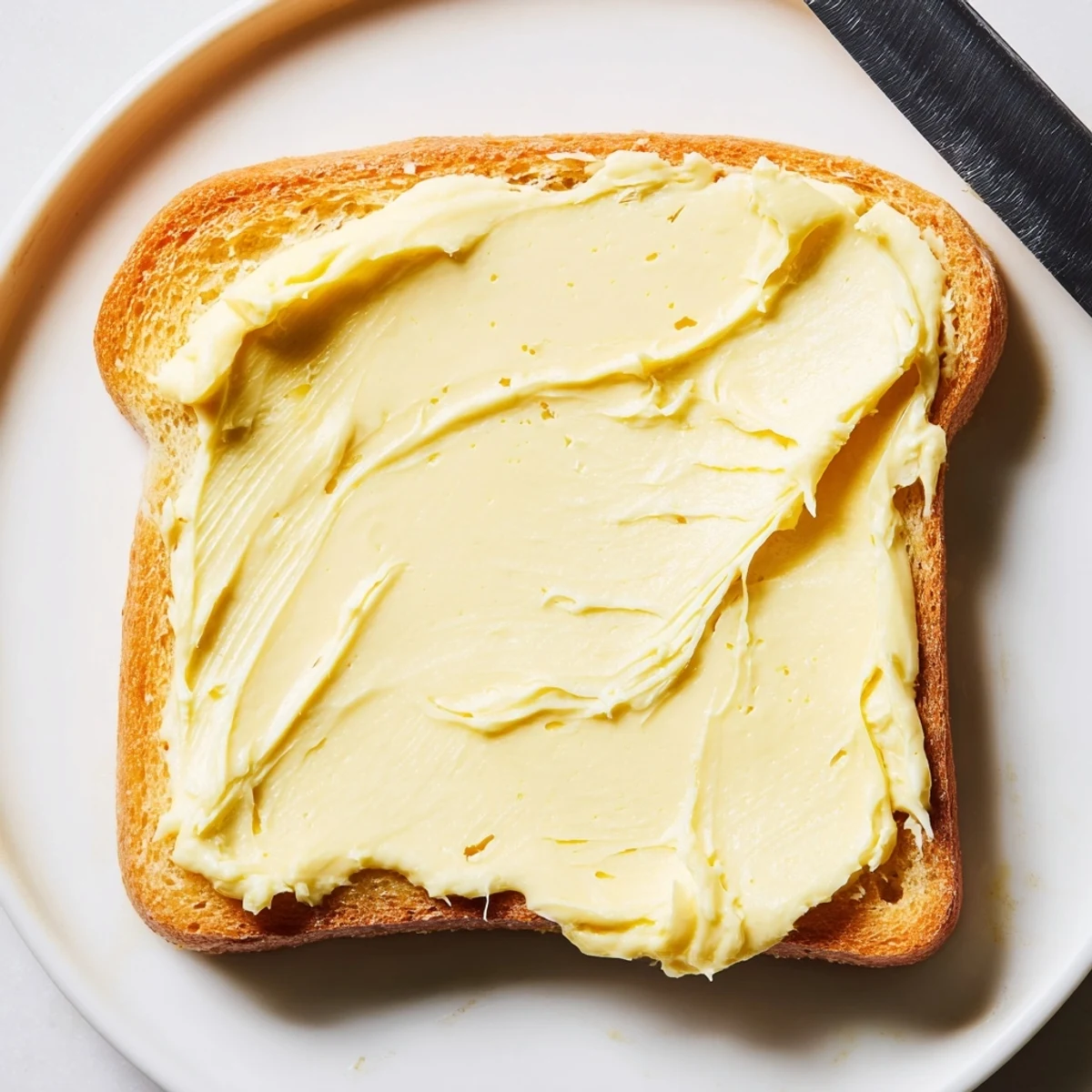
 This homemade plant-based alternative delivers the rich, creamy texture you crave, perfect for spreading on toast, incorporating into baked goods, or using in your favorite cooked dishes. The combination of refined coconut oil and neutral oils creates a smooth consistency that firms beautifully in the refrigerator while remaining spreadable at room temperature.
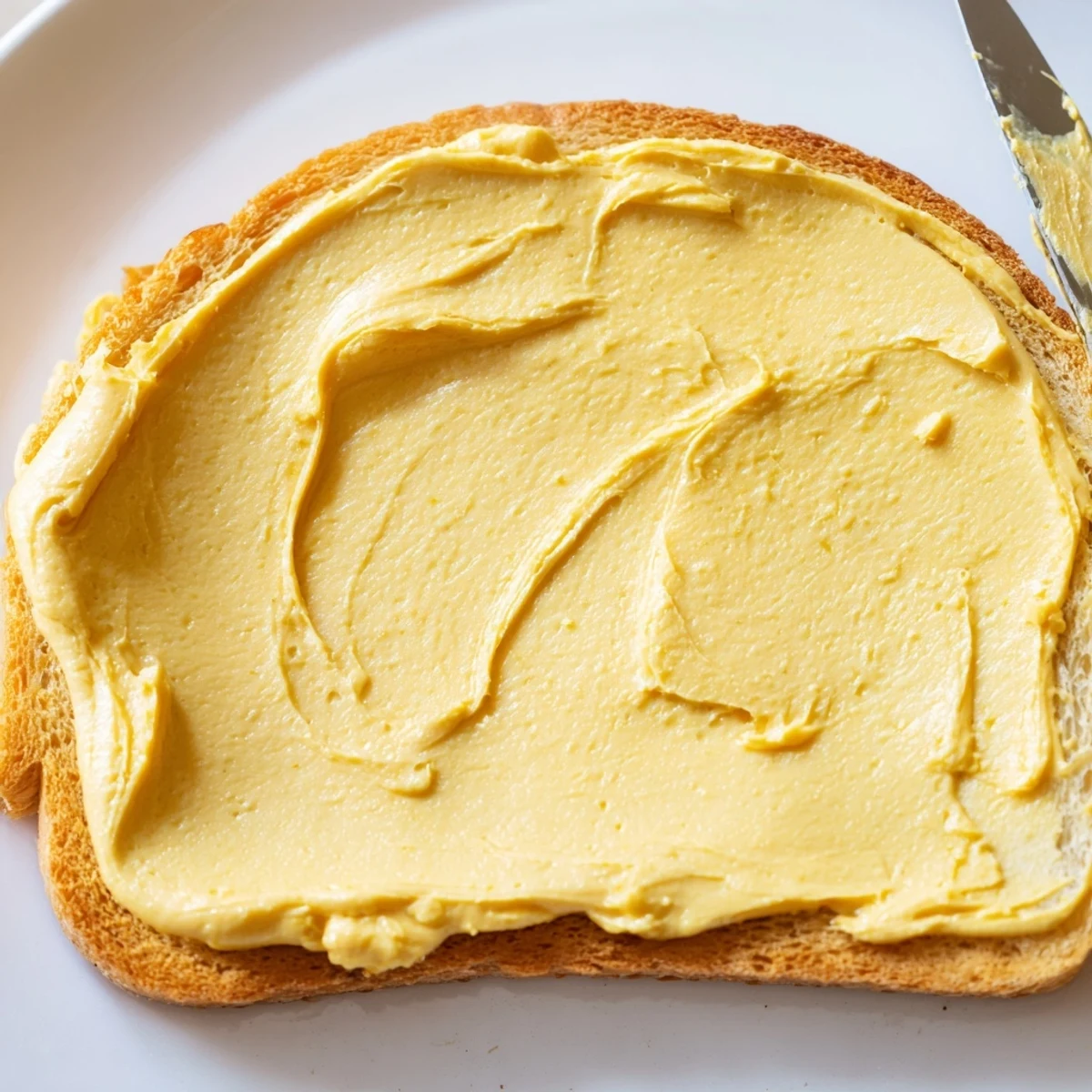
The addition of apple cider vinegar and sea salt provides that familiar tangy, savory butter flavor profile, while nutritional yeast adds subtle depth and turmeric gives it a naturally appealing golden hue. Sunflower lecithin ensures proper emulsification, keeping your creation stable and preventing separation during storage.
Customize this versatile spread to your taste preferences—add garlic powder for savory notes, smoked paprika for depth, or keep it classic and simple. The entire process takes just 10 minutes of active time, and you'll have about one cup ready to use for up to two weeks when properly stored.
The morning I ran out of butter for my banana bread was the same morning I decided to never let that happen again. I had half a bag of coconut oil staring at me from the pantry and a blender sitting on the counter looking neglected. Ten minutes later, I was spreading something golden on warm toast and genuinely wondering why I'd ever paid eight dollars for store-bought versions.
My sister, who can spot vegan alternatives from across the room, used this on her Thanksgiving rolls and asked which European brand I'd splurged on. That moment of watching someone genuinely confused about whether they were eating plants or dairy was better than any recipe review I've ever received. Now I keep a small container in the door of my fridge, ready for midnight toast emergencies.
Ingredients
- Refined coconut oil: The secret to neutral flavor, so your butter tastes buttery not tropical
- Neutral oil: Sunflower or grapeseed keeps it spreadable straight from the fridge
- Unsweetened soy milk: Helps create that creamy dairy-like mouthfeel we're chasing
- Apple cider vinegar: Just enough brightness to mimic the slight tang of real butter
- Sea salt: Essential for that familiar savory butter flavor
- Nutritional yeast: Optional but adds those buttery notes we all crave
- Ground turmeric: Gives that familiar yellow color without artificial dyes
- Sunflower or soy lecithin: The magic ingredient that keeps everything emulsified and creamy
Instructions
- Melt and cool the coconut oil:
- Gently heat until just liquid, then let it cool for a few minutes so it doesn't separate when blended
- Combine everything in the blender:
- Add both oils, milk, vinegar, salt, nutritional yeast, turmeric, and lecithin all at once
- Blend until creamy:
- Run on high for 1-2 minutes until the mixture is completely smooth and emulsified
- Pour into your container:
- Transfer immediately to a clean butter mold or airtight container while still liquid
- Chill until firm:
- Refrigerate for at least 2 hours, though overnight gives the best texture
- Store and enjoy:
- Keep refrigerated for up to 2 weeks and let soften briefly if too firm to spread
 Save to Pinterest
 This butter became my go-to host gift during holiday season, tucked into small mason jars with ribbon and a handwritten note. Watching friends who swore they'd never give up dairy butter actually choose this for their morning bagel felt like a tiny victory for plant-based cooking everywhere.
Making It Your Own
I've discovered that adding a teaspoon of maple syrup transforms this into the most incredible compound butter for pancakes. Sometimes I'll throw in fresh herbs from the garden or garlic powder when I'm feeling fancy. The base recipe is so forgiving that it's become a canvas for whatever flavor mood strikes me.
Texture Secrets
The ratio of coconut oil to neutral oil is the key to that perfect spreadable consistency. Too much coconut and it's hard as a rock, too much neutral and it won't set properly. After six batches, I learned that equal parts is the sweet spot that behaves remarkably like the real thing.
Storage Solutions
While this keeps beautifully in the fridge for two weeks, I've also frozen portions for up to three months with great success. Just thaw overnight in the refrigerator and it's ready to go. The texture holds up remarkably well, making it perfect for batch cooking when you find coconut oil on sale.
- Use a silicone butter mold for easy removal and pretty presentation
- Label your container with the date since it looks just like dairy butter
- Leave it on the counter for 10 minutes before spreading if you keep your fridge extra cold
 Save to Pinterest
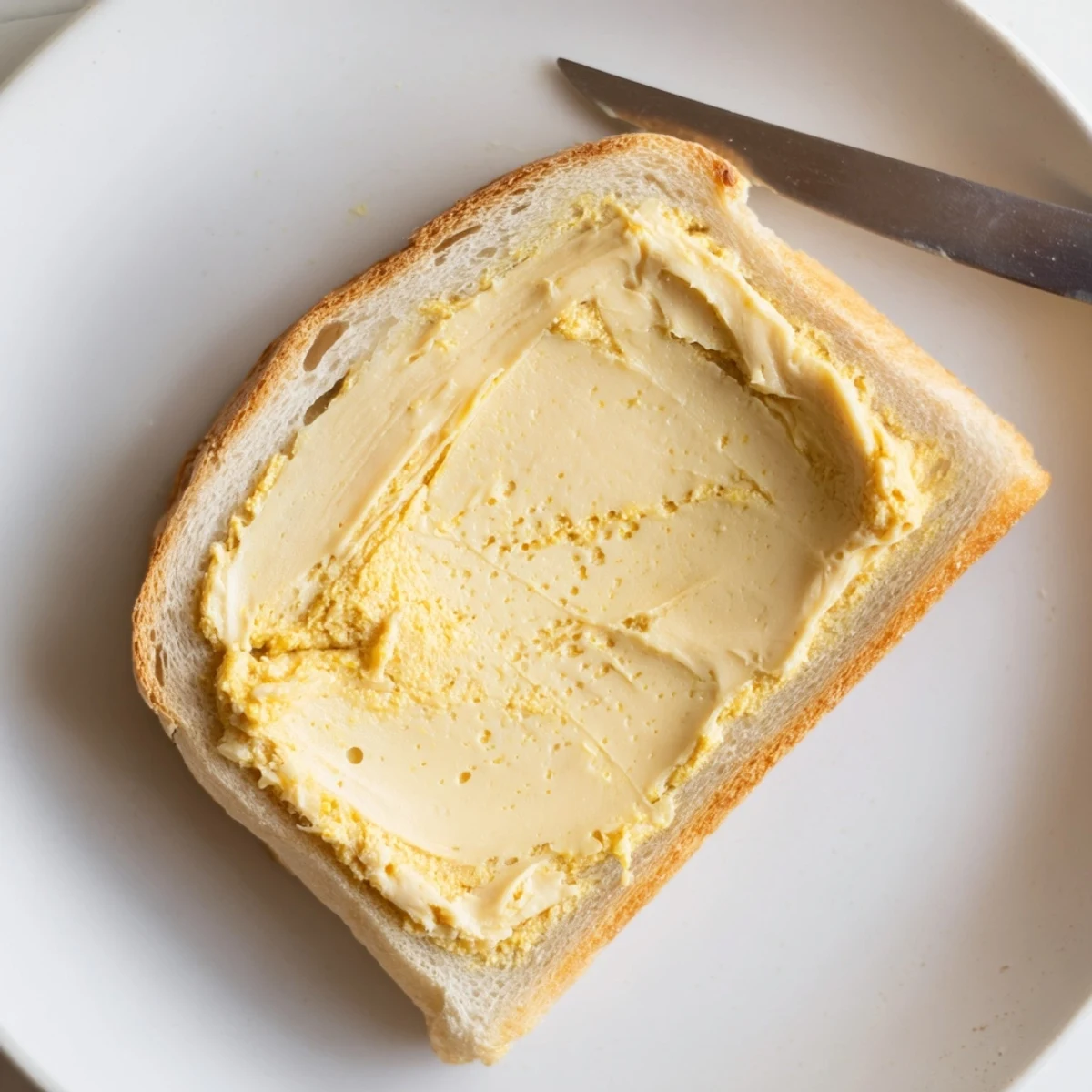
 There's something deeply satisfying about opening your fridge and seeing that golden container you made yourself, knowing exactly what went into it. Every time I spread this on warm bread, I remember that morning with the half-empty coconut oil jar and feel grateful for kitchen experiments that actually work.
Recipe FAQs
- → Can I use unrefined coconut oil instead of refined?
-
Yes, though unrefined coconut oil will impart a mild coconut flavor to your finished spread. If you enjoy that subtle tropical taste, feel free to use unrefined. For a neutral flavor that mimics traditional butter more closely, refined coconut oil works best.
- → What can I substitute for soy milk?
-
Almond milk or oat milk work beautifully as alternatives. Both provide the necessary liquid content for proper emulsification. Oat milk tends to create a slightly creamier texture, while almond milk keeps the flavor very neutral and clean.
- → Is lecithin necessary for this recipe?
-
Lecithin acts as an emulsifier, binding the oils and liquid together to prevent separation. Without it, your spread may separate over time. Sunflower or soy lecithin are most effective, though you can experiment with small amounts of mustard or arrowroot powder as alternatives.
- → How should I store this plant-based butter?
-
Store in an airtight container or butter mold in the refrigerator for up to two weeks. The spread will firm up nicely when chilled. For easier spreading, let it sit at room temperature for 5-10 minutes before using. You can also freeze portions for longer storage.
- → Can I use this for baking?
-
Absolutely! This plant-based alternative works well in most baking applications where butter is called for. It provides similar fat content and structure. Use it in cookies, cakes, and pastries, though you may notice slight texture differences depending on the recipe.
- → Why does my mixture look separated after blending?
-
Separation typically occurs if ingredients weren't blended long enough or if temperature wasn't optimal. Make sure your coconut oil is melted but not hot, blend for the full 1-2 minutes on high speed, and pour into your container immediately. If separation occurs, simply re-blend or give it a thorough stir before refrigerating.