
 Save to Pinterest
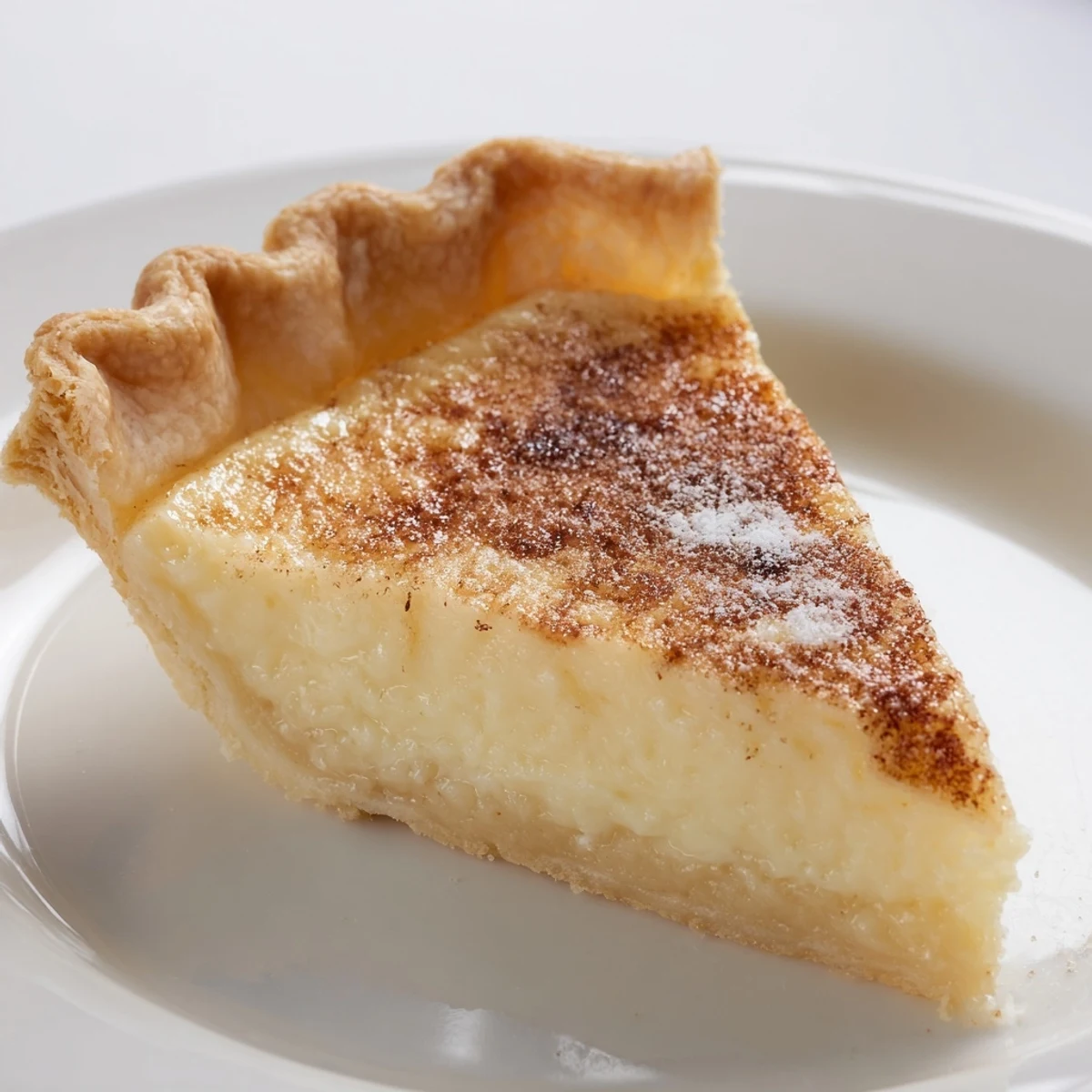
 Preheat oven to 350°F (175°C). Warm milk and cream until steaming, then whisk eggs with sugar, cornstarch, vanilla, cinnamon and salt. Temper the egg mixture with the warm dairy, strain for a silky texture and pour into a prepared 9-inch crust. Bake 45–50 minutes until the center is slightly wobbly, tent edges if browning, cool on a rack and chill at least 2 hours. Garnish with cinnamon, powdered sugar or sugared cranberries. Store chilled up to 3 days.
Cinnamon and vanilla have an uncanny way of drifting through the house and turning the ordinary into something quietly magical. That evening last December, as snow tapped lightly at the window and carols softly tumbled from the radio, I decided to assemble this custard pie for the first time. The process was both calming and full of anticipation—a rare combination on Christmas Eve. The scent that crept from the oven felt more like an embrace than a simple dessert in the making.
I distinctly recall setting out plates by candlelight as my sister snuck a spoon to test if the pie had cooled enough. Nobody minded her impatience—we all just laughed at the powdered sugar that dusted her nose. I realized then that desserts like this are meant to be shared on quiet, hopeful nights.
Ingredients
- Pie Crust: Whether you go with homemade or buy one, a chilled, sturdy crust makes slicing neater and keeps the creamy custard from seeping.
- Whole Milk: Using whole milk keeps the filling rich but not too heavy; don’t use skim or it changes the texture.
- Heavy Cream: This gives the custard its velvetiness—a kitchen lesson I learned after once substituting and ending up with a disappointingly thin pie.
- Large Eggs: Make sure they’re at room temperature so everything blends evenly without little cooked bits.
- Granulated Sugar: Adds necessary sweetness but doesn’t overpower the subtler vanilla notes.
- Cornstarch: I prefer cornstarch to flour for thickening; it leaves no floury aftertaste and keeps the texture impossibly smooth.
- Vanilla Extract: Use the real stuff—imitation isn’t worth it here and you’ll taste the difference.
- Ground Cinnamon: Divide it between the custard and the final sprinkle for both aroma and visual appeal.
- Sea Salt: Don’t skip it—a pinch truly deepens every flavor.
- Powdered Sugar: Optional, but a snowfall look atop the pie makes it feel instantly festive.
Instructions
- Prepare Your Pie Base:
- Roll out your pie crust in the dish and gently pinch the edges, savoring the sound as it finds shape against the pan.
- Warm the Cream:
- Over gentle heat, bring the milk and cream to steaming—when you see curls of vapor but no bubbles, it’s ready to pour.
- Whisk the Filling:
- In a bowl, combine eggs, sugar, cornstarch, vanilla, cinnamon, and salt, whisking until everything runs smooth and a little frothy on top.
- Temper with Care:
- Slowly add the warm milk mixture to the eggs, almost in a thread, whisking the whole time so it stays silky—not scrambled.
- Smooth It Out:
- Pour the custard through a fine-mesh sieve into a new bowl; the swirl that remains is pure gold in your hands.
- Fill and Bake:
- Pour the strained custard into your prepared crust and gently slide the pan into the hot oven.
- Watch and Wait:
- After about 45 minutes, the center should set but wiggle just a little, like a gentle handshake; cover the edge with foil if it browns too soon.
- Cool and Adorn:
- Let the pie cool on a rack—resist slicing, as the custard needs time to firm as it rests.
- Final Touch:
- Sprinkle with extra cinnamon and powdered sugar before serving, marveling at the transformation in just an hour.
- Chill and Serve:
- Give the pie a couple hours in the fridge; cutting perfect slices is easier if you wait, though the temptation is real.
 Save to Pinterest
 There was one Christmas Eve when we cut into the pie before it had fully set, spoons in hand, and everyone agreed the creamy filling was perfectly imperfect. The pie quickly became more than dessert—it felt like a tradition unfolding in real time, filled with laughter and little flecks of cinnamon on our fingertips.
Letting The Flavors Shine
After trying a few versions, cinnamon and vanilla proved to be all this pie needed. I resisted the urge to add more spices so the flavors could stand on their own, and guests noticed the difference—sometimes restraint in the kitchen pays off.
How To Avoid A Weepy Pie
I learned from a kitchen mishap that cooling the pie thoroughly is key; cutting too soon lets out steam and moisture that should be settling into the custard. It’s amazing how patience here results in a silky slice.
Serving Suggestions Worth Considering
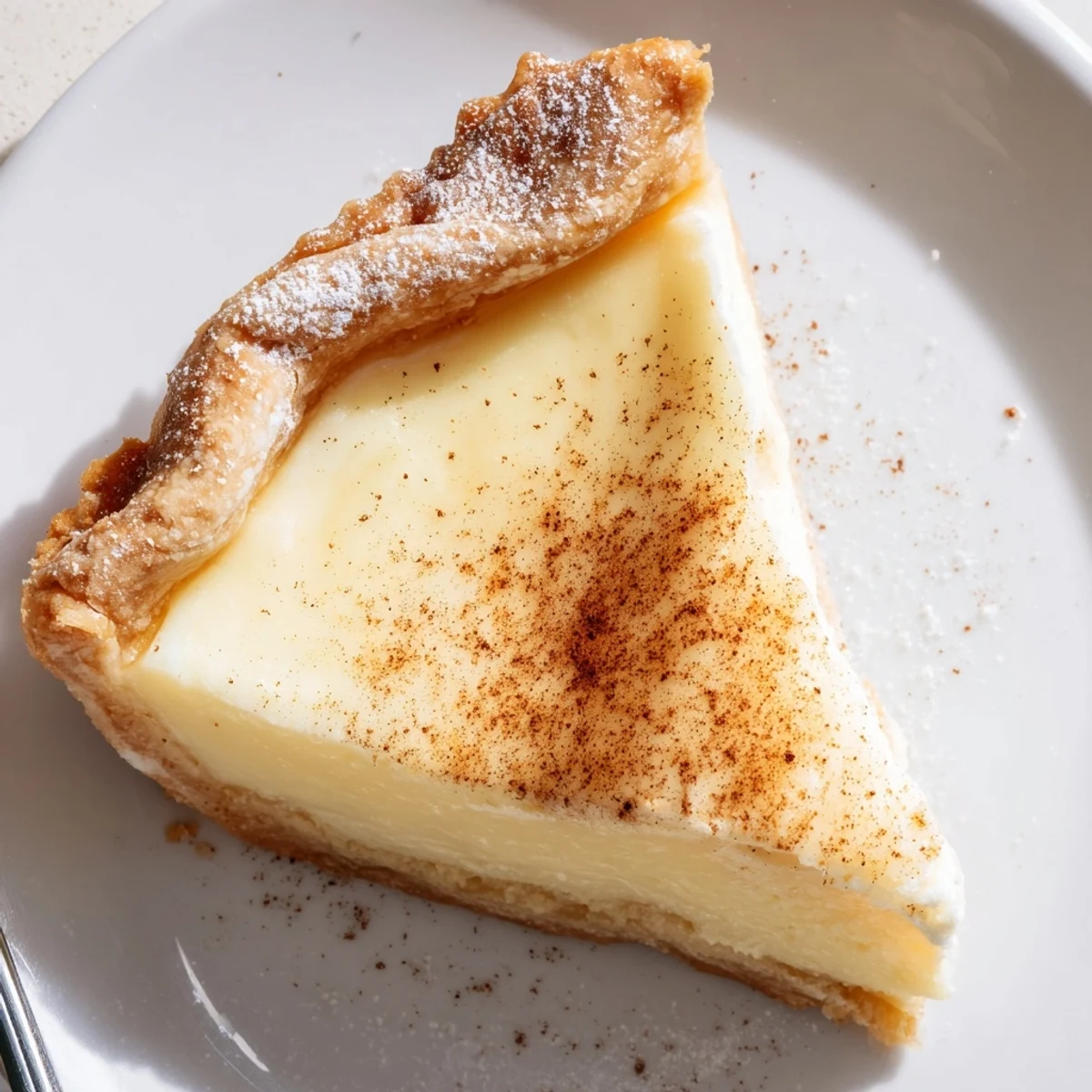
Just before serving, a little extra ground cinnamon or a dusting of powdered sugar is all it needs—no fancy toppings required, though a dollop of whipped cream adds whimsy if you have it.
- Let the pie sit out a few minutes before serving for the creamiest texture.
- Leftover pie makes an excellent breakfast treat if you’re lucky enough to have any.
- Wipe the knife between slices for perfect presentation.
 Save to Pinterest
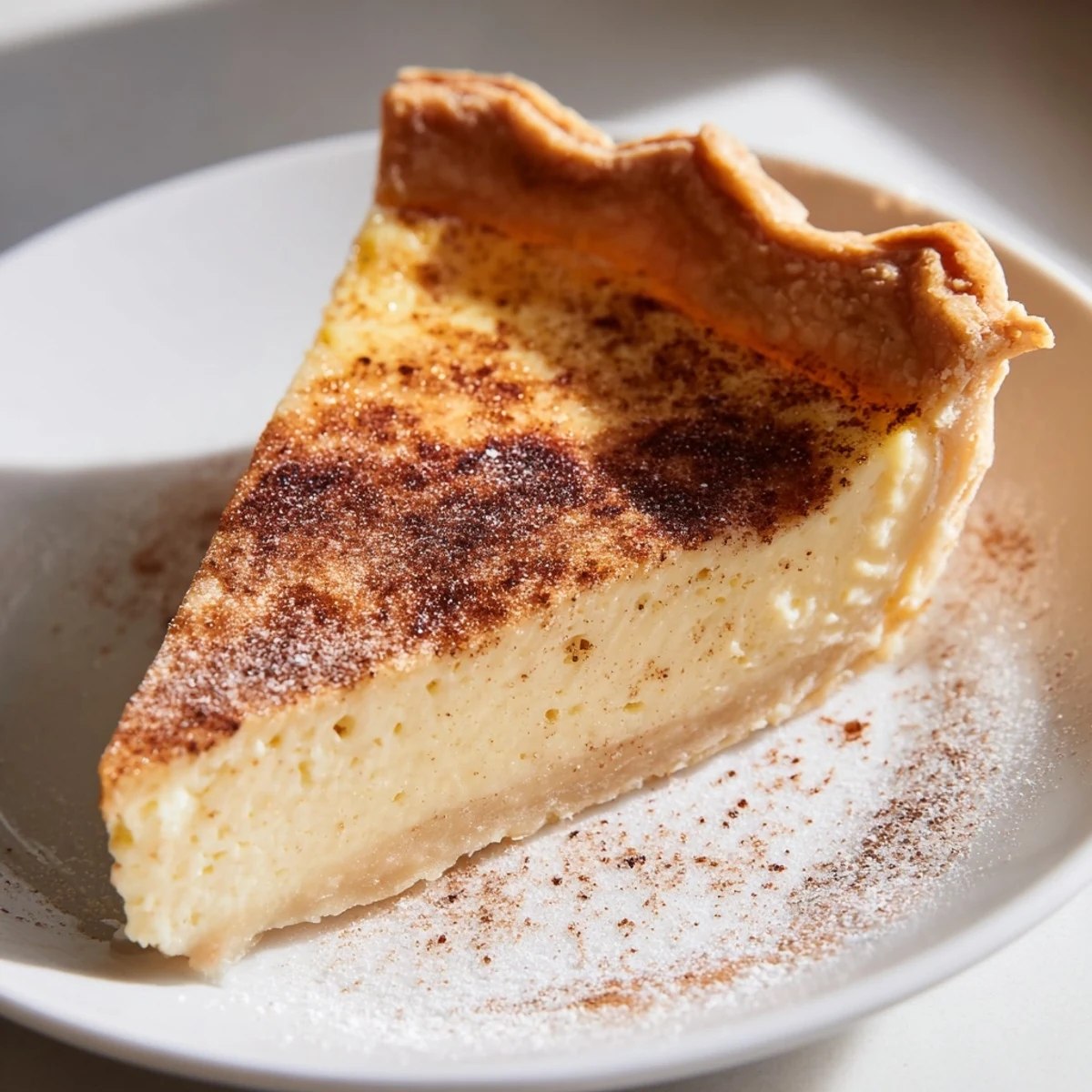
 This pie brings warmth to the holiday table, but it also has a knack for making a simple evening feel special. Here’s hoping your kitchen fills with laughter and sweet, spiced aromas this season.
Recipe FAQs
- → How can I tell when the custard is set?
-
The center should be slightly wobbly but not liquid; the edges will be set and lightly puffed. The filling firms as it cools and further sets during chilling, so avoid overbaking for a smooth texture.
- → Why should I strain the custard before baking?
-
Straining removes any bits of cooked egg or lumps, yielding a silky, uniform filling and a cleaner mouthfeel once baked and chilled.
- → Can I use lower-fat dairy or non-dairy alternatives?
-
Whole milk plus heavy cream gives the best richness and set. Using only low-fat milk or non-dairy milks will produce a softer, less creamy custard; consider adding a touch more cornstarch for structure if reducing fat.
- → How do I prevent the crust from browning too fast?
-
Tent the pie edges with foil or use a pie shield after 20–25 minutes of baking to protect the rim while the custard finishes setting in the center.
- → Can I add alcohol or other flavor variations?
-
Add 1–2 tablespoons of bourbon or brandy to the filling for depth, or introduce orange zest, nutmeg or a pinch of cardamom to complement the cinnamon and vanilla.
- → What is the best way to store leftovers?
-
Cover and refrigerate for up to 3 days. For clean slices serve well chilled; let sit at room temperature briefly if you prefer a softer custard before serving.