
 Save to Pinterest
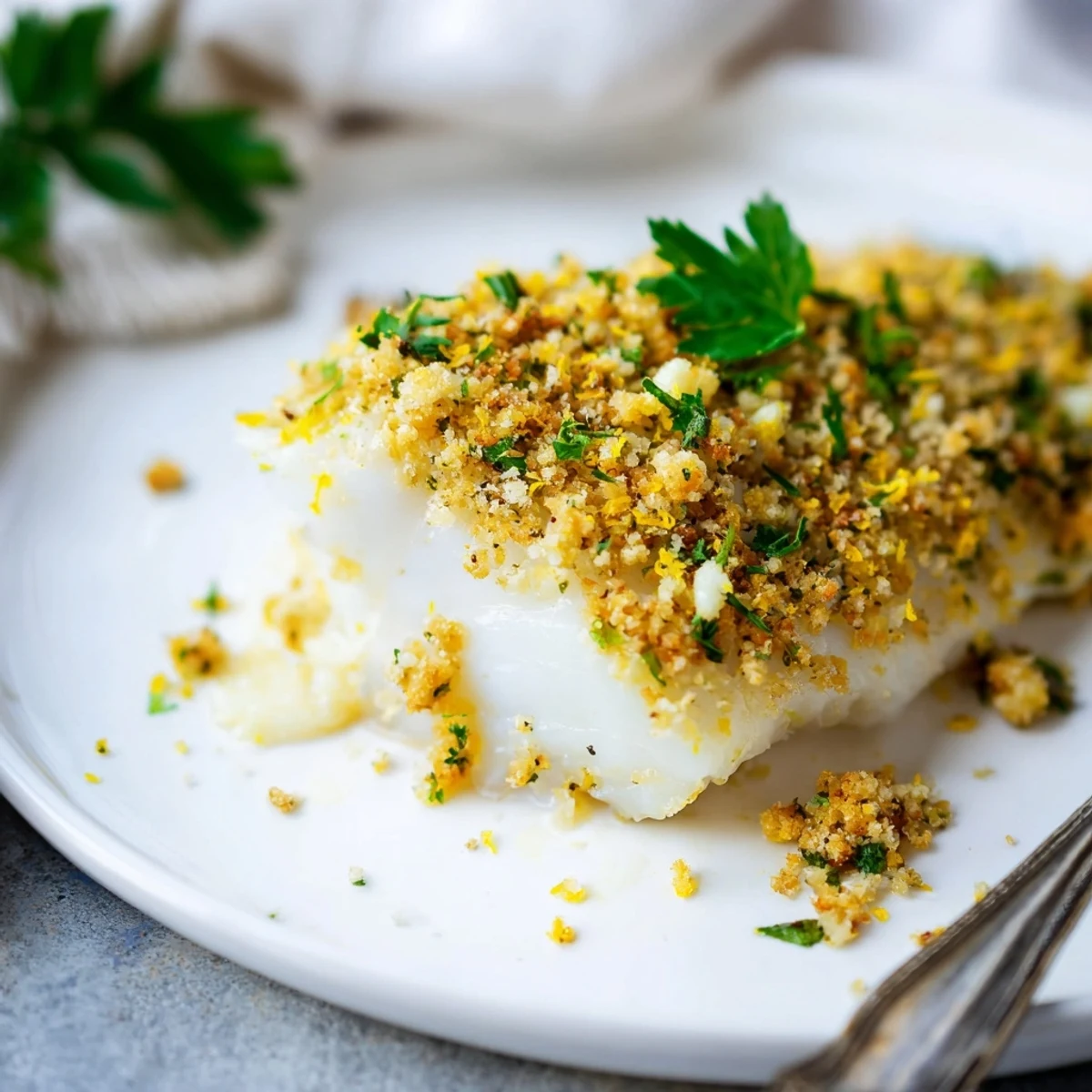
 Transform fresh haddock fillets into a gourmet meal with a simple coating of melted butter and seasoned breadcrumbs. After baking until the fish is tender and the topping turns a delicious golden brown, serve immediately with lemon wedges for a bright finish. This dish pairs perfectly with steamed vegetables or a crisp salad for a complete dinner.
My grandmother kept a little cottage by the coast, and summer mornings meant stopping at the fish market before anyone else arrived. One particular July, the fishmonger handed me these pristine haddock fillets and mentioned his trick: butter and breadcrumbs, nothing fussy, just golden and crisp. I made it that night for her birthday dinner, and the way her face lit up when she took that first bite told me everything—sometimes the simplest dishes carry the most warmth.
Years later, I made this for friends who had never eaten fish at home before, only at restaurants where it intimidated them. Watching them relax as they realized how forgiving and delicious it could be—that's when I understood why this dish mattered. It's not just food; it's proof that elegant cooking lives in simplicity.
Ingredients
- Haddock fillets: Look for fillets that are uniformly thick so they cook evenly; if they vary, tuck the thin edges underneath for even heat distribution.
- Unsalted butter: Melted butter carries flavor through every breadcrumb, so don't skip the melting step or try to use cold butter.
- Fresh breadcrumbs: Day-old bread works best because it's drier; if your bread is fresh, let it sit out for a few hours or use a food processor to pulse it into coarser crumbs.
- Fresh parsley and lemon zest: These add brightness that prevents the dish from feeling heavy, and the fragrance as it bakes is half the appeal.
- Salt and pepper: Season in two layers—first the fish itself, then the breadcrumb topping—so flavor builds instead of sitting only on the surface.
- Lemon wedges: Serve these on the side so everyone can squeeze as much or as little as they like onto their portion.
Instructions
- Prepare your oven and baking dish:
- Set the oven to 200°C and grease the baking dish lightly so the breadcrumbs won't stick to the bottom. You want the fish to release easily when plated.
- Dry and arrange the fish:
- Pat the haddock fillets dry with paper towels—this is not optional if you want a crisp topping. Arrange them in a single layer and season gently; remember you're seasoning again in the breadcrumb mixture.
- Build the breadcrumb topping:
- Combine melted butter with breadcrumbs, parsley, and lemon zest in a bowl, stirring until every crumb glistens with butter and nothing looks dry. The mixture should feel like damp sand, not a paste.
- Top and press gently:
- Spread the breadcrumb mixture over each fillet, pressing it down just enough so it stays put but not so hard that you compress it into a crust. You want texture and crunch.
- Bake until golden:
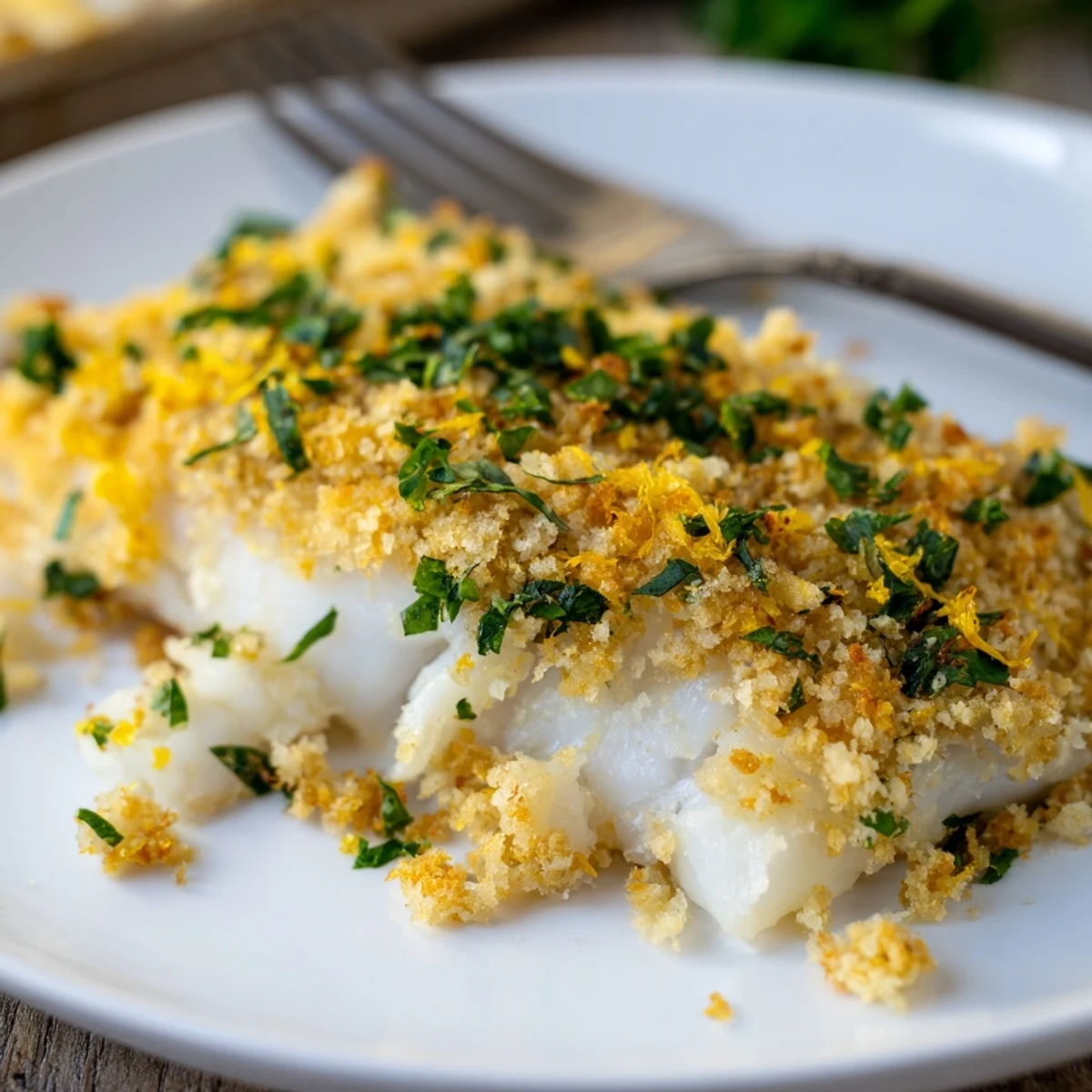
- The fish is done when it flakes easily with a fork and the topping turns a deep golden brown, usually around 18–20 minutes. Don't walk away—the final minutes determine whether it's golden or burnt.
- Serve warm with brightness:
- Plate the fish immediately while the topping is still crisp and offer lemon wedges alongside so each person controls the amount of acidity.
 Save to Pinterest
 I learned something unexpected the first time I made this: it's a bridge dish. Serve it to someone who thinks they don't like fish, and they'll eat every flake. Serve it to someone who eats fish all the time, and they'll ask for seconds. That kind of universality is rare, and it's why I keep coming back to it.
Why This Works So Well
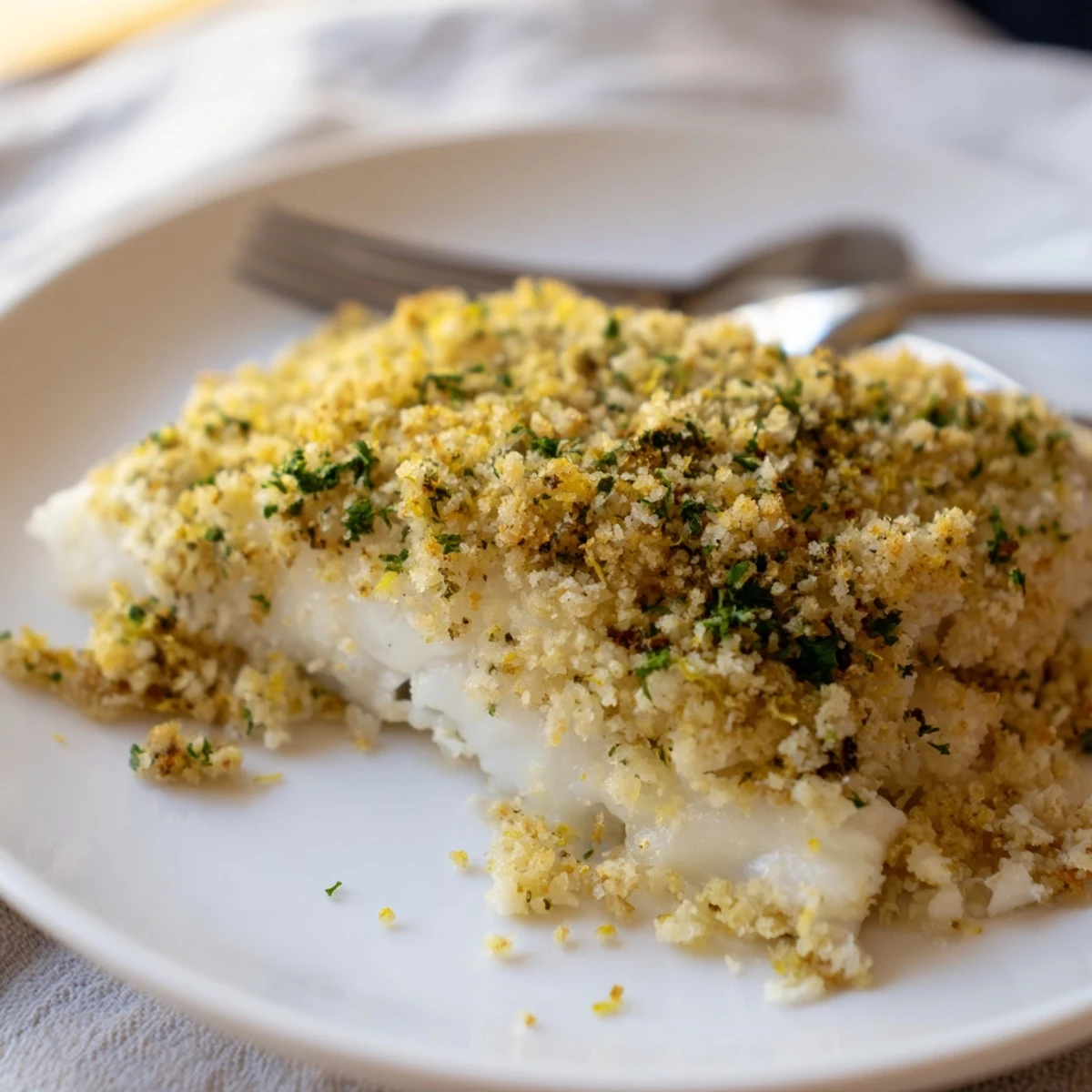
The haddock is mild and delicate, which means it doesn't compete with the buttery breadcrumbs—instead, they work together. The lemon zest and parsley keep it feeling fresh rather than heavy, and the high heat creates contrast between the flaky fish and the crisp, golden top. It's the definition of a dish that feels like more than the sum of its parts.
What to Serve Alongside
I've served this with roasted asparagus, steamed broccoli, and a simple green salad, and each pairing feels natural. The richness of the butter topping means your side doesn't need to be heavy—something bright and slightly acidic balances it beautifully. Some nights I skip sides entirely and just add more lemon wedges.
Small Variations That Make a Difference
Once I added a minced garlic clove to the breadcrumb mixture and the whole dish shifted—it became almost savory instead of bright. Another time I used panko instead of fresh breadcrumbs and the texture changed in a way I didn't love; it stayed crispy but somehow felt less connected to the fish. These small experiments taught me that the recipe, as written, is a baseline that's worth respecting.
- A tiny pinch of paprika in the breadcrumbs adds warmth without announcing itself.
- If you have fresh dill instead of parsley, use it—the seafood pairing is magical.
- Some people add a whisper of garlic powder rather than fresh garlic; it's subtler and won't brown during baking.
 Save to Pinterest
 This is the kind of meal that proves you don't need technique or fancy ingredients to feed people something memorable. It asks only that you care enough to dry the fish and listen for the moment when golden turns into your kitchen.
Recipe FAQs
- → Can I use frozen fish for this dish?
-
Yes, just ensure the haddock fillets are fully thawed and patted dry with paper towels to remove excess moisture before applying the topping.
- → How do I know when the fish is done?
-
The fish is ready when it flakes easily with a fork and the breadcrumb topping is a deep golden brown color.
- → What side dishes go well with this?
-
Steamed vegetables like asparagus or green beans, along with a crisp green salad or roasted potatoes, complement the fish perfectly.
- → Can I substitute the haddock?
-
Yes, cod, pollock, or any other firm white fish fillets work well as a substitute for haddock in this preparation.
- → Is it possible to make this gluten-free?
-
Simply replace the fresh white bread crumbs with certified gluten-free bread crumbs or crushed almond flour for a gluten-free version.