
 Save to Pinterest
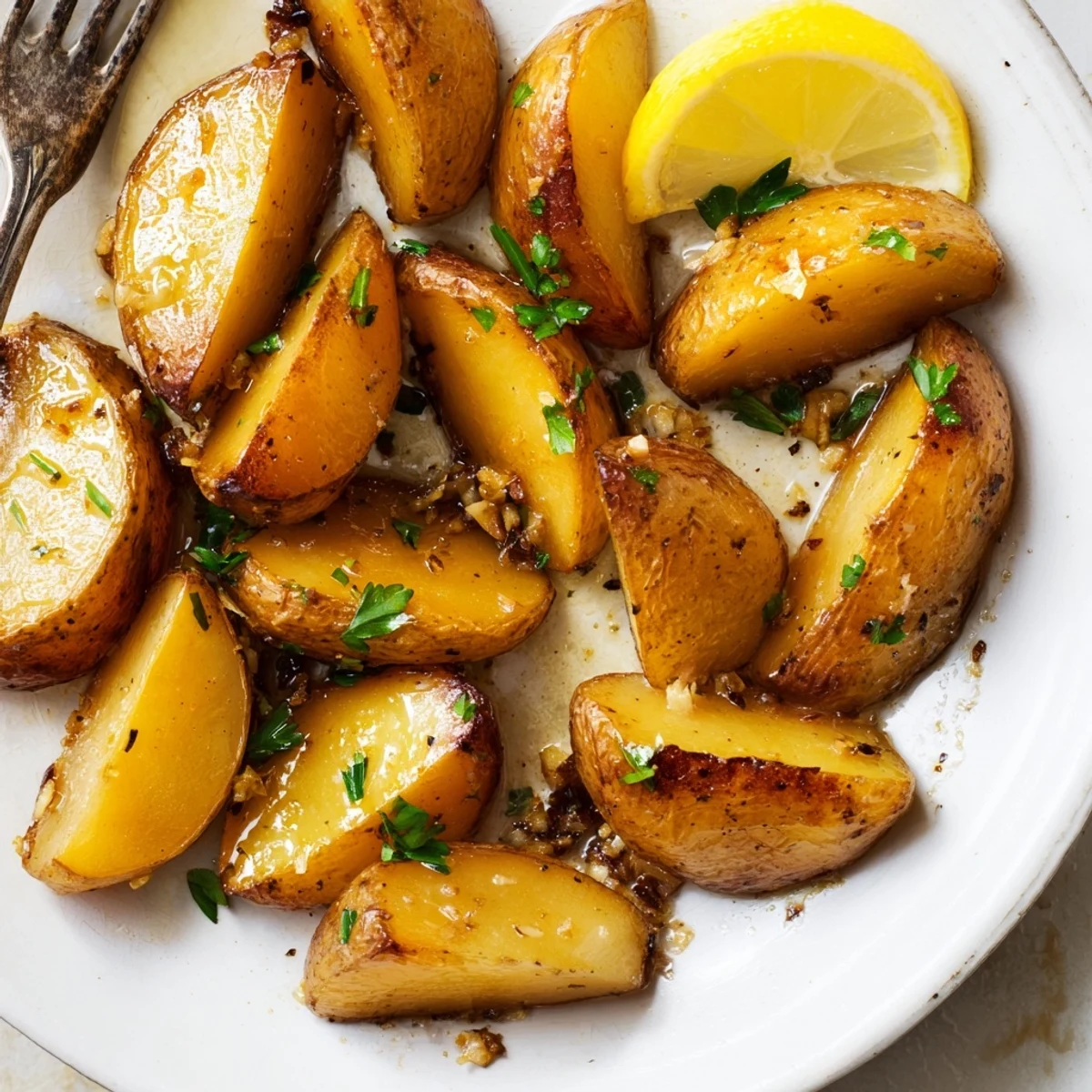
 These oven-roasted Greek lemon potatoes use Yukon Gold wedges tossed in olive oil, fresh lemon juice, minced garlic, dried oregano and vegetable broth. Roast uncovered at 400°F for 40 minutes, baste, then increase to 425°F and roast 30–35 minutes until edges are golden and most liquid is absorbed. Sprinkle parsley and serve with lemon wedges; broil 2–3 minutes for extra crunch.
The citrusy scent that filled the kitchen the first time I made Greek lemon potatoes caught me entirely by surprise. It was supposed to be just a side, but as the potatoes sizzled in the oven, I found myself hovering nearby, drawn in by the mingling of garlic, lemon, and oregano. There was something lively about those aromas that instantly transformed a quiet weeknight into a small celebration. And when they emerged, golden-edged and steaming, I stopped worrying about the main dish entirely.
One Sunday, with windows flung open to let in a stubborn early spring breeze, I made these potatoes for friends who’d dropped by after a hike. We crowded around the table, arguing about seasoning, with someone always stealing crispy bits straight from the pan. They vanished as quickly as I could serve them, punctuated by laughter and the scrape of forks chasing every last shard.
Ingredients
- Yukon Gold potatoes: These hold their shape while roasting and soak up all the marinade, yielding fluffy insides and shatteringly crisp exteriors.
- Extra virgin olive oil: The better the oil, the richer the flavor and the lovelier the golden crust you’ll get.
- Fresh lemon juice: Use real lemons—bottled juice just doesn’t give the same brightness or aroma.
- Garlic: Minced fresh so it melts into the marinade, giving little bursts of savory depth.
- Vegetable broth: It’s the secret to both tenderness and flavor—don’t be afraid to splash in a bit extra if your pan runs dry.
- Dried oregano: Brings the signature earthy punch; Greek oregano if you can find it, but any will do in a pinch.
- Salt: Essential to draw out flavors; don’t skimp if your potatoes seem bland.
- Freshly ground black pepper: Adds just enough heat and complexity to balance the citrus.
- Fresh parsley: Stirred in at the end for a burst of color and freshness.
- Lemon wedges: Optional but irresistible for squeezing over just before serving.
Instructions
- Start with the oven:
- Preheat to 400°F (200°C) so you get that crisp finish; the anticipation grows as the kitchen warms up.
- Create the marinade:
- In your favorite baking dish, whisk together the olive oil, lemon juice, garlic, broth, oregano, salt, and pepper until it smells like sunshine.
- Tumble in the potatoes:
- Add the wedges, rolling them to soak in every drop, then arrange them in an even layer.
- Roast the first round:
- Forty minutes in the hot oven lets the potatoes soak up flavor and start to color; don’t peek too much or you’ll lose precious heat.
- Turn up the heat:
- Bump it to 425°F (220°C), gently flip the potatoes, and keep roasting until the edges caramelize and most of the marinade is gone (about 30 to 35 minutes more).
- Garnish and serve:
- Toss with chopped parsley and, if you want, a squeeze of lemon—serve while piping hot for best effect.
 Save to Pinterest
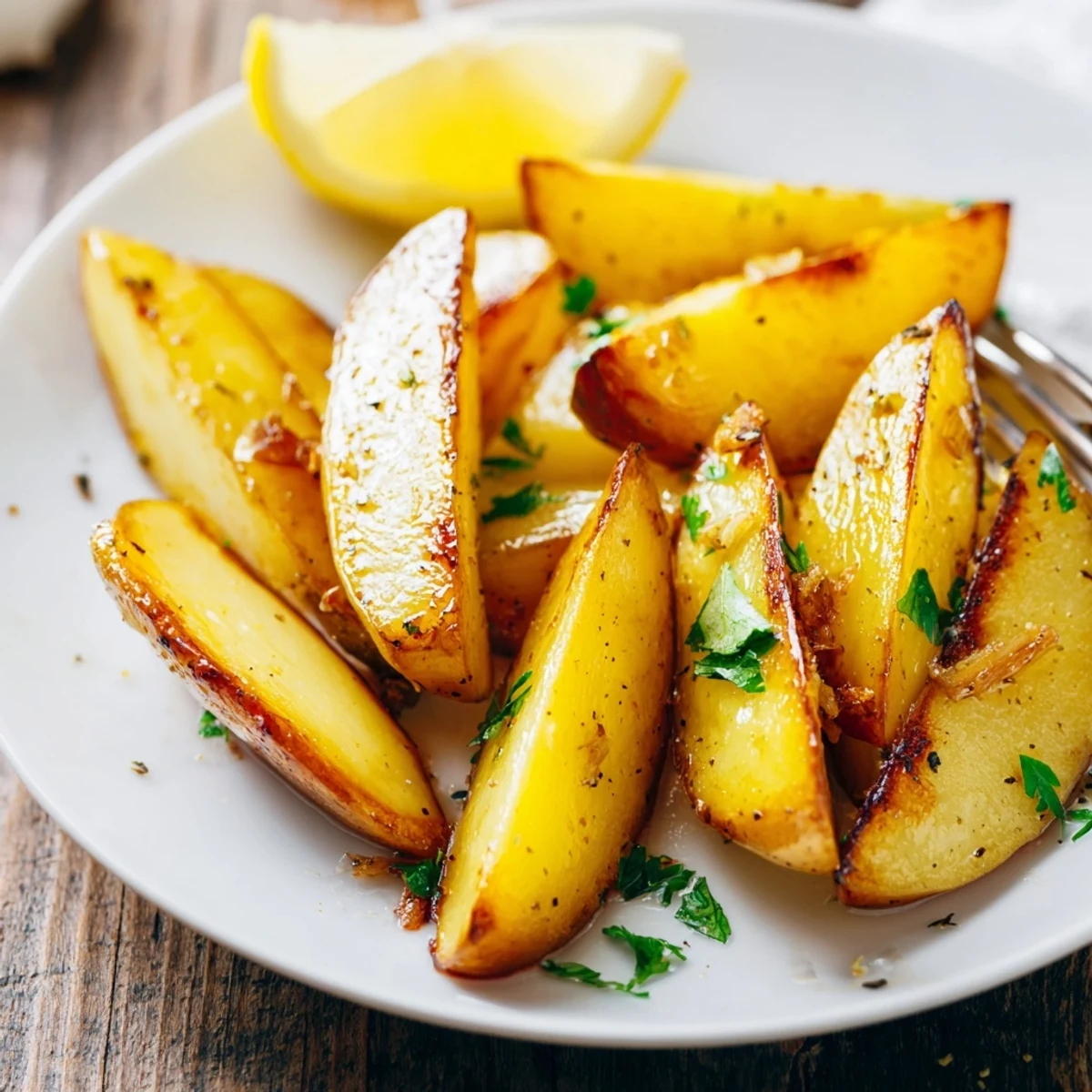
 There was a moment last summer when I brought these out for a neighbor’s potluck, expecting them to play backup to bigger, flashier dishes. By the end, plates circled back for seconds, and someone shyly asked for the recipe written on a napkin—the potatoes had become the unlikely star of the table, connecting strangers over something simple, golden, and shared.
Small Tweaks That Make a Difference
Don’t underestimate the impact of using freshly squeezed lemon; it gives the potatoes that clean zing that bottled juice can never match. I learned to keep a close eye during the final minutes, because the difference between tender and heavenly crisp is less than you think. Over time, broiling became my not-so-secret weapon for those extra caramelized edges.
Mistakes I’ve Made and How to Avoid Them
Once, in a rush, I skipped turning the potatoes halfway and ended up with one side gloriously golden and the other still shyly pale. Giving them a gentle toss mid-roast is awkward with a full pan, but makes all the difference for all-over texture. And I never make the mistake of ignoring the pan juices—spooning them over halfway through is a revelation every single time.
Making It Your Own
Over time, I’ve added crumbled feta, swapped in rosemary for oregano, or even whisked a bit of honey into the marinade for a subtle twist. The one thing I always keep constant is the generous squeeze of lemon at the table—it turns every plate into a celebration of sunshine and simplicity.
- Scatter a handful of olives in the last ten minutes for a briny note.
- If you love heat, dust the finished potatoes with a pinch of smoked paprika.
- For a winter meal, try adding sliced red onion to roast alongside.
 Save to Pinterest
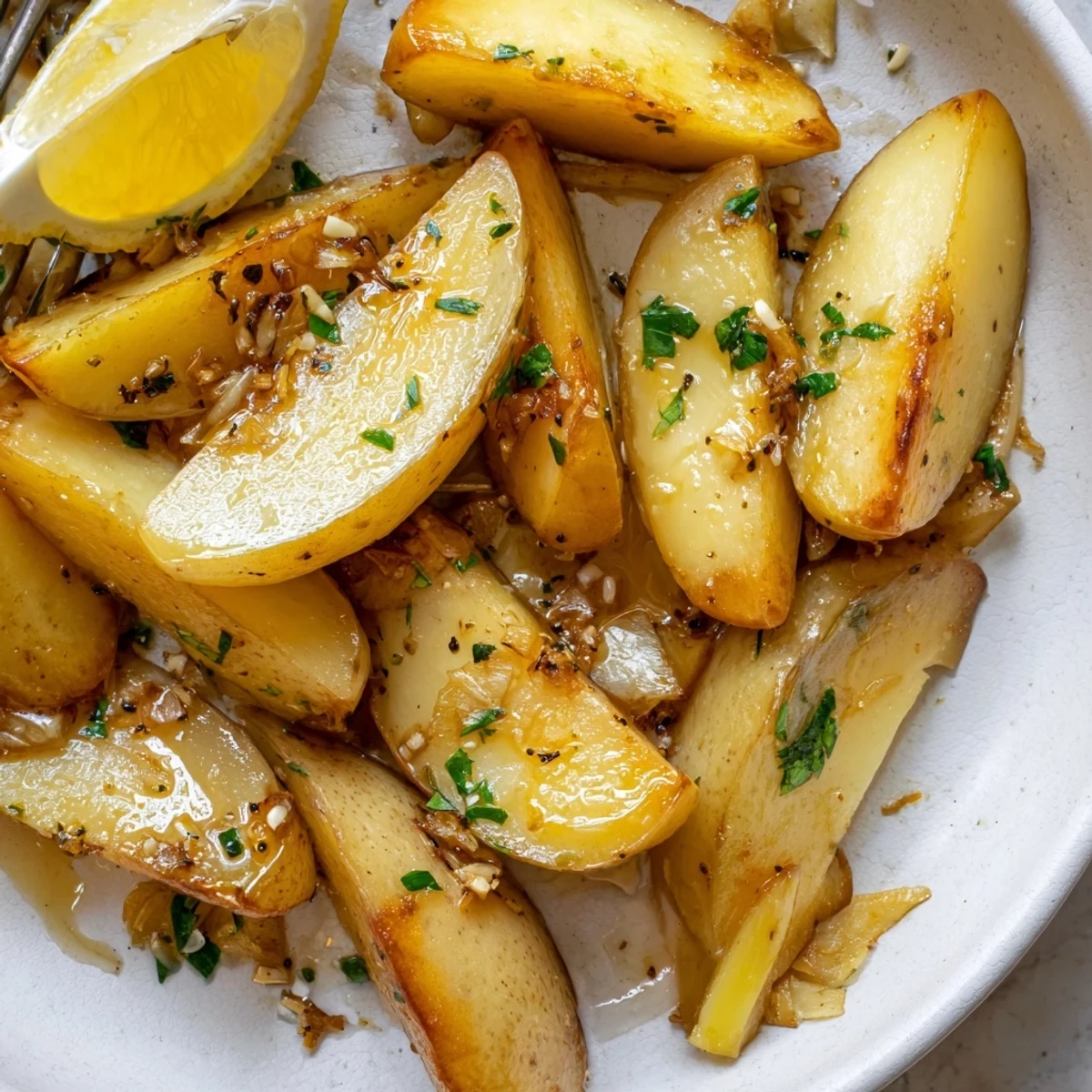
 I hope these Greek lemon potatoes become your go-to side for both ordinary nights and moments that need a little extra brightness. Sometimes, all you need to spark a table of smiles is the aroma of citrus, herbs, and perfectly roasted potatoes.
Recipe FAQs
- → What potato variety works best?
-
Yukon Gold is ideal: it crisps at the edges while keeping a creamy interior. Starchy varieties give fluffier centers; waxy types hold shape but may be less tender.
- → How do I get extra-crisp edges?
-
Arrange wedges in a single layer, drain excess marinade before the final high-heat roast, and finish under the broiler 2–3 minutes. Larger wedges need longer exposure to dry and brown.
- → Can I swap vegetable broth for chicken broth?
-
Yes—chicken broth adds savory depth but changes this to a non-vegetarian option. Reduce added salt if your broth is salty, and taste the pan juices before seasoning.
- → What temperature and timing give the best texture?
-
Start at 400°F to cook through and soften, then increase to 425°F for 30–35 minutes to encourage browning. Turning once helps even crisping and absorbs pan juices.
- → How should I store and reheat leftovers?
-
Cool completely, refrigerate in an airtight container up to 3–4 days. Reheat in a 400°F oven on a baking sheet to restore crispness; avoid microwaving to prevent sogginess.
- → What herb variations pair well with lemon and garlic?
-
Fresh parsley is classic, while thyme, rosemary or dill complement lemon and garlic nicely. Add delicate herbs after roasting to preserve their flavor.