
 Save to Pinterest
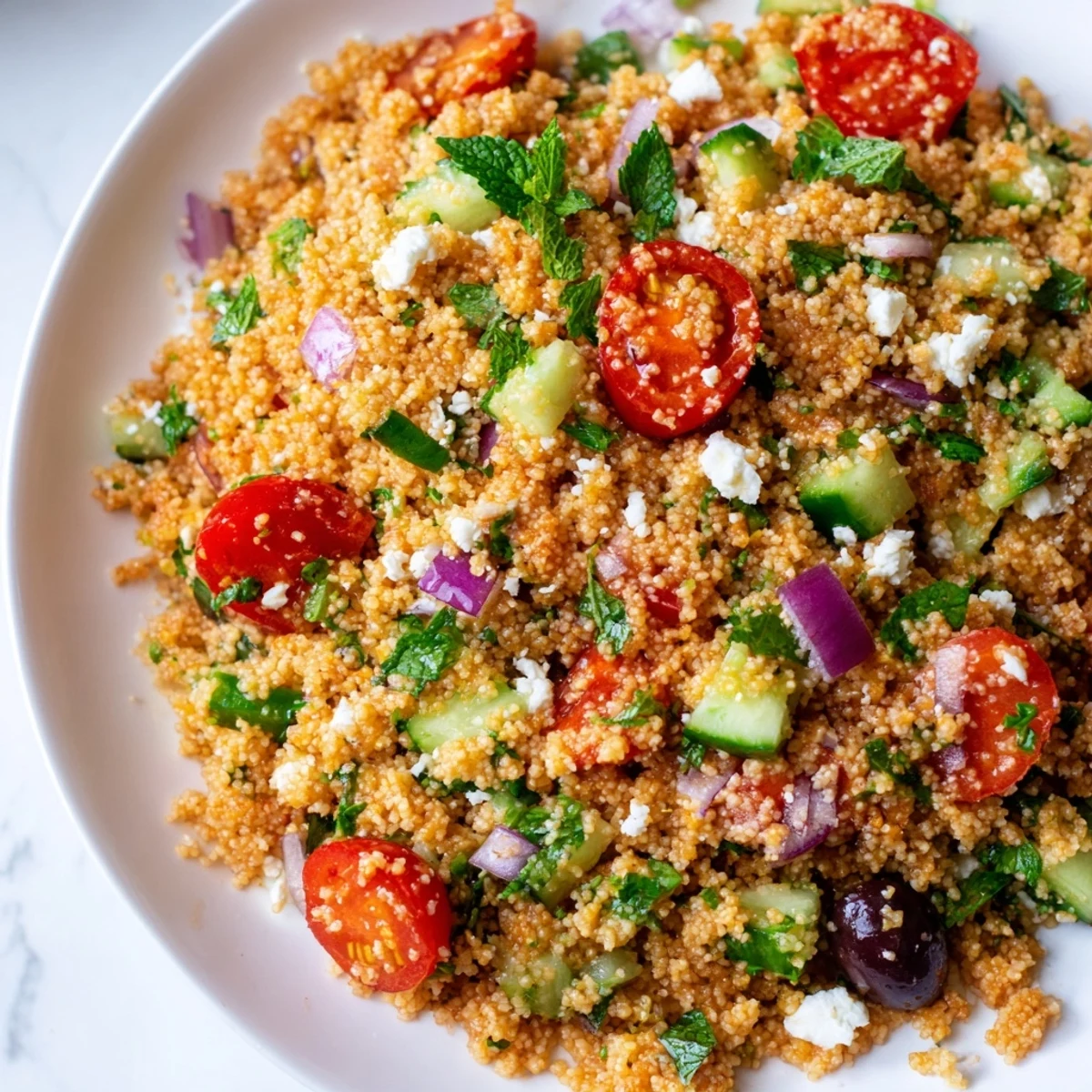
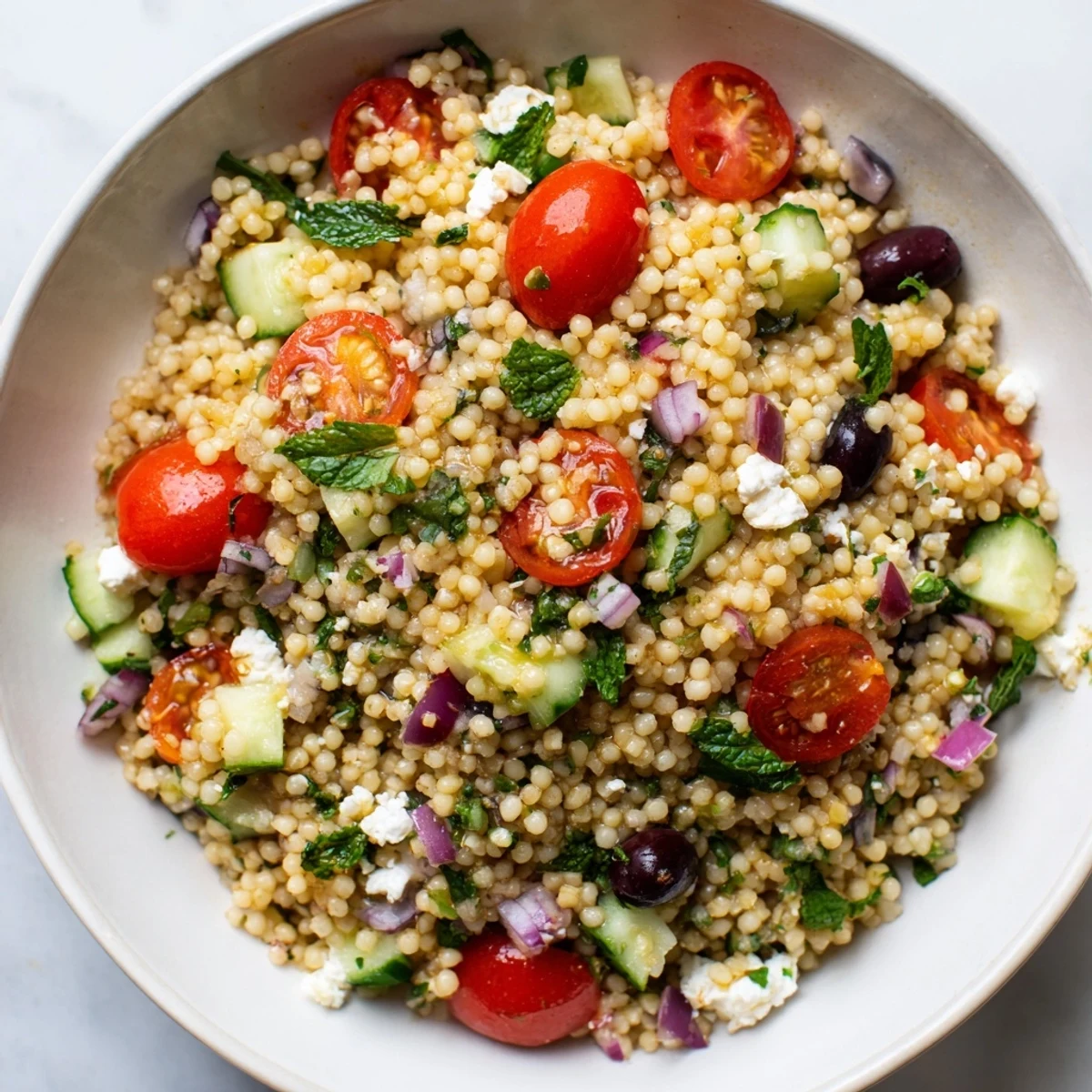
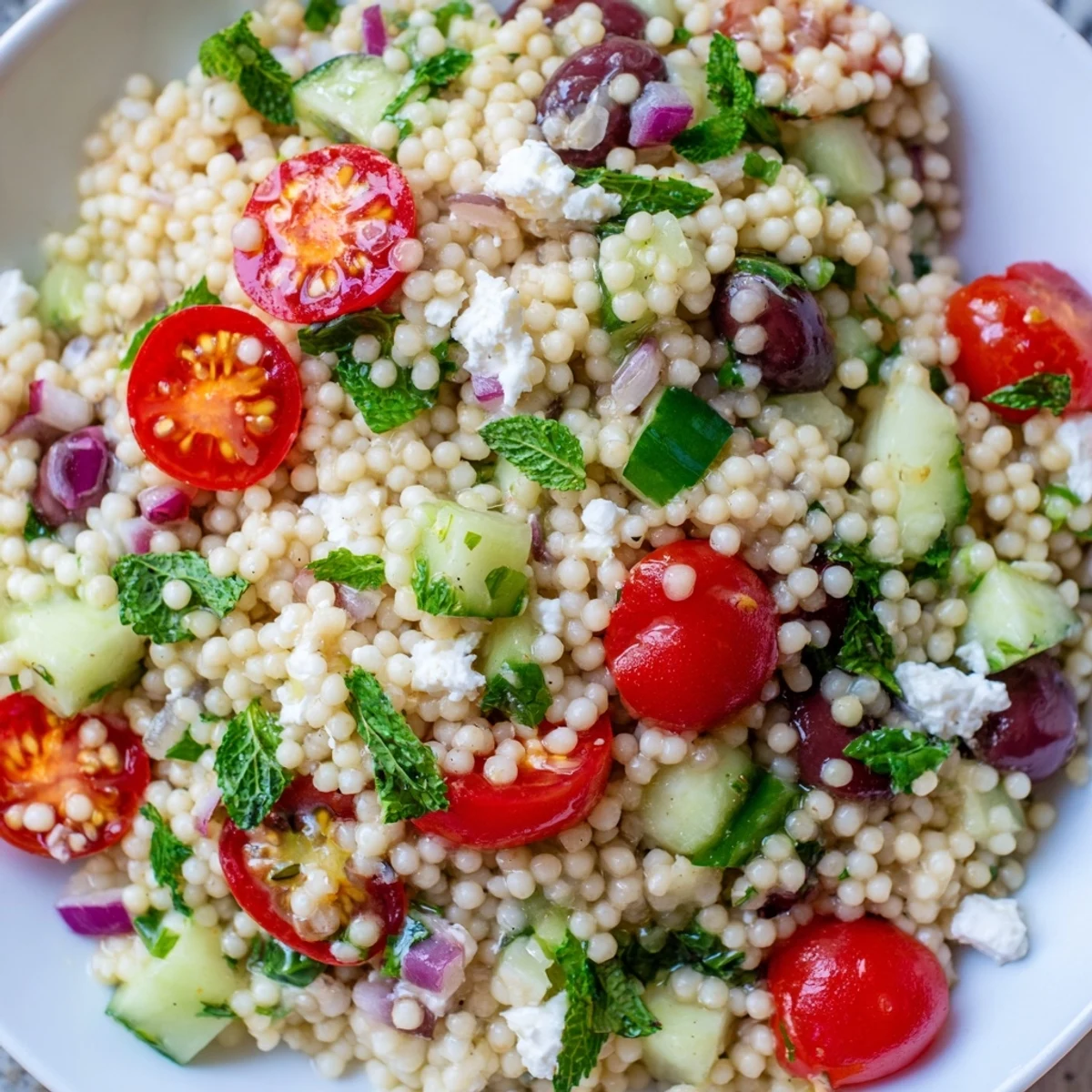
 This Mediterranean couscous salad brings together fluffy couscous, crisp cucumbers, juicy cherry tomatoes, and briny Kalamata olives in one vibrant bowl. Crumbled feta adds a salty, creamy contrast, while fresh parsley and mint brighten every bite.
The real star is the hot honey lemon vinaigrette — a bold blend of olive oil, fresh lemon juice, honey, Dijon mustard, and red pepper flakes that delivers a perfect balance of sweet, tangy, and gently spicy. It coats every grain and vegetable, tying the whole dish together beautifully.
Ready in just 25 minutes with no stovetop cooking required, this dish works equally well as a light vegetarian lunch, a potluck contribution, or a colorful side for grilled mains.
The summer I discovered couscous was the summer my kitchen windowsill herb garden exploded into chaos, and rather than fight it, I started tossing fistfuls of whatever was growing into every bowl I could assemble. This salad came together on a Tuesday when the air conditioning had given up and standing over a stove felt like a personal failure. The hot honey lemon vinaigrette was a happy accident born from reaching for honey because I had run out of agave and deciding, on a whim, that red pepper flakes belonged in a dressing. One bite and I was hooked on that sweet heat cutting through the bright citrus.
I brought a massive bowl of this to a rooftop potluck where everyone was supposed to contribute something grilled and substantial, and I felt sheepish showing up with a vegetarian salad. Two friends stood over the bowl with forks before the burgers were even off the grill, and someone asked if I had secretly ordered it from a restaurant down the street.
Ingredients
- 1 cup uncooked couscous: The instant variety works beautifully here and absorbs the vinaigrette like a sponge.
- 1 1/4 cups boiling water: Just enough to hydrate every grain without leaving puddles at the bottom of the bowl.
- 1 cup cherry tomatoes, halved: They burst in your mouth and provide a juicy sweetness that balances the briny olives.
- 1/2 cup cucumber, diced: English cucumbers are ideal because you skip the seeding step entirely.
- 1/2 cup red bell pepper, diced: The crunch is nonnegotiable and the color makes everything look like a celebration.
- 1/4 cup red onion, finely chopped: Soak the pieces in cold water for five minutes if you want to soften their bite.
- 1/3 cup Kalamata olives, pitted and sliced: Their saltiness is the backbone of the Mediterranean flavor profile here.
- 1/3 cup feta cheese, crumbled: A creamy, tangy element that ties every bold flavor together.
- 2 tbsp fresh parsley, chopped: Flat leaf parsley adds a grassy freshness that dried parsley simply cannot replicate.
- 1 tbsp fresh mint, chopped (optional): A small amount lifts the whole dish into something unexpectedly refreshing.
- 3 tbsp olive oil: Use the good stuff here because it is the body of your vinaigrette.
- 2 tbsp fresh lemon juice: Freshly squeezed makes a difference you can actually taste compared to the bottled kind.
- 1 tbsp honey: The sweetness tames the acid and the heat simultaneously.
- 1/2 tsp red pepper flakes: Adjust up or down depending on how much fire you enjoy.
- 1 tsp Dijon mustard: This is what holds the vinaigrette together so it does not separate into an oily mess.
- 1 small garlic clove, minced: One is enough to be present without taking over the conversation.
- 1/2 tsp sea salt and 1/4 tsp black pepper: Season the vinaigrette before adding it so the balance is right from the start.
Instructions
- Hydrate the couscous:
- Pile the couscous into a large heatproof bowl, pour the boiling water over it, and cover tightly with a plate or plastic wrap. Wait five minutes, then fluff it gently with a fork and let it cool so the vegetables do not wilt on contact.
- Build the vinaigrette:
- In a small bowl or a lidded jar, whisk together the olive oil, lemon juice, honey, red pepper flakes, Dijon mustard, garlic, salt, and pepper until the dressing looks creamy and unified. Taste it on your finger and adjust the heat or sweetness before moving forward.
- Combine the salad:
- Add the cherry tomatoes, cucumber, bell pepper, red onion, olives, feta, parsley, and mint to the couscous and fold everything together with a gentle hand so the feta stays in crumbles rather than turning into paste.
- Dress and toss:
- Pour the vinaigrette over the top and toss until every grain and vegetable is lightly coated and glistening.
- Rest and serve:
- Let it sit for ten minutes in the fridge if you can stand the wait, or serve it immediately with extra herbs and feta scattered on top.
 Save to Pinterest
 There is something about a bowl of this salad sitting on a picnic table that makes people slow down and actually taste what they are eating, which sounds simple but is rarer than it should be.
How to Make It Your Own
Swap the feta for avocado slices if you are avoiding dairy, or toss in a can of drained chickpeas to turn it into something substantial enough for dinner. Grilled shrimp or shredded rotisserie chicken also fold in beautifully without changing the character of the dish.
What to Drink Alongside It
A cold glass of Sauvignon Blanc is the obvious and correct answer, but a sparkling water with a squeeze of lime works just as well when the afternoon is too early for wine. The carbonation cuts through the honey and heat in a way that flat water never manages.
Storing Leftovers the Right Way
This salad keeps well in an airtight container in the refrigerator for up to three days, though the cucumbers will soften and the feta will dissolve a bit by day two, which some people actually prefer. If you are making it ahead for a gathering, consider storing the vinaigrette separately and tossing everything together right before serving.
- Give the leftovers a splash of fresh lemon juice to wake up the flavors before eating them again.
- Do not freeze this salad because the texture of the vegetables will suffer badly when thawed.
- Always taste and reseason after refrigeration because cold dulls everything.
 Save to Pinterest
 Keep this one in your back pocket for every warm evening when cooking feels like too much work but eating something delicious feels nonnegotiable. It is the kind of recipe that reminds you good food does not require complexity, just a handful of bright ingredients and a willingness to toss them together.
Recipe FAQs
- → Can I make this couscous salad ahead of time?
-
Yes, this salad actually improves after resting. You can prepare it up to 24 hours in advance and store it covered in the refrigerator. The couscous absorbs the vinaigrette as it sits, making the flavors more pronounced. Give it a gentle toss and a squeeze of fresh lemon juice before serving to refresh it.
- → What can I substitute for couscous?
-
Israeli couscous, quinoa, bulgur, or orzo pasta all work as substitutes. Keep in mind that cooking times and liquid ratios will vary. Quinoa and bulgur need to be cooked on the stovetop, while Israeli couscous follows a similar boiling water method. Adjust the resting time accordingly and let the grain cool before adding the vegetables.
- → How spicy is the hot honey lemon vinaigrette?
-
The vinaigrette has a mild, pleasant warmth rather than intense heat. The half teaspoon of red pepper flakes provides a gentle kick that balances the honey's sweetness and the lemon's acidity. If you prefer less spice, reduce the red pepper flakes to a quarter teaspoon. For more heat, increase to a full teaspoon or add a dash of hot sauce.
- → Is this dish suitable for a gluten-free diet?
-
Traditional couscous is made from semolina wheat, so it is not gluten-free. However, you can swap it for gluten-free alternatives like quinoa, millet, or certified gluten-free pasta. Always check the labels on your Dijon mustard and other packaged ingredients to ensure they are produced in gluten-free facilities.
- → What proteins pair well with this Mediterranean salad?
-
Grilled chicken breast, roasted chickpeas, or seared shrimp are excellent additions that complement the Mediterranean flavors without overpowering them. For a heartier vegetarian option, white beans or grilled halloumi work beautifully. Add the protein just before serving so it maintains its texture against the vinaigrette.
- → How should I store leftovers?
-
Store leftovers in an airtight container in the refrigerator for up to three days. The vegetables will release some moisture as they sit, so drain any excess liquid before serving. The feta may soften slightly but will still taste delicious. Avoid freezing, as the fresh vegetables and vinaigrette do not freeze well.