
 Save to Pinterest
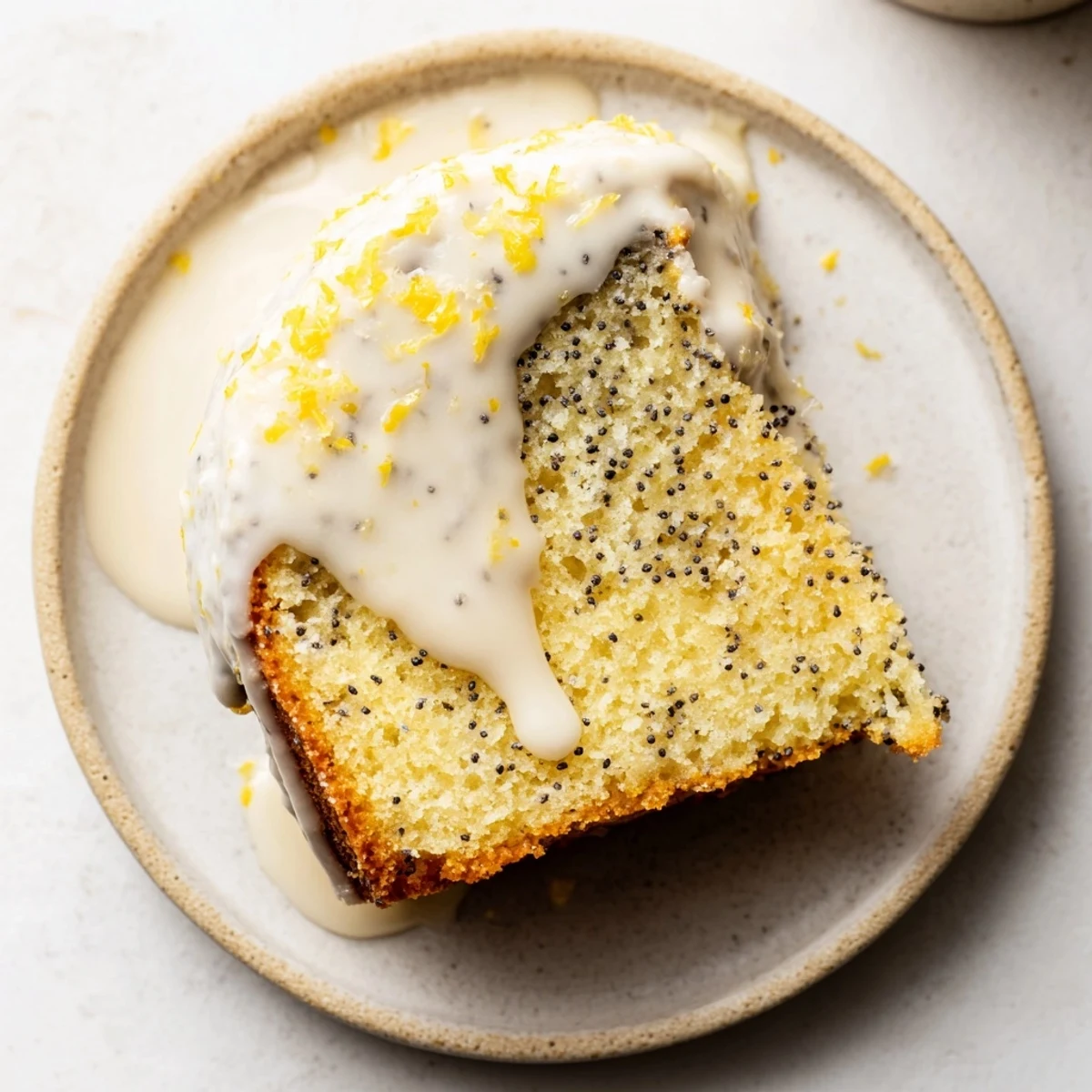
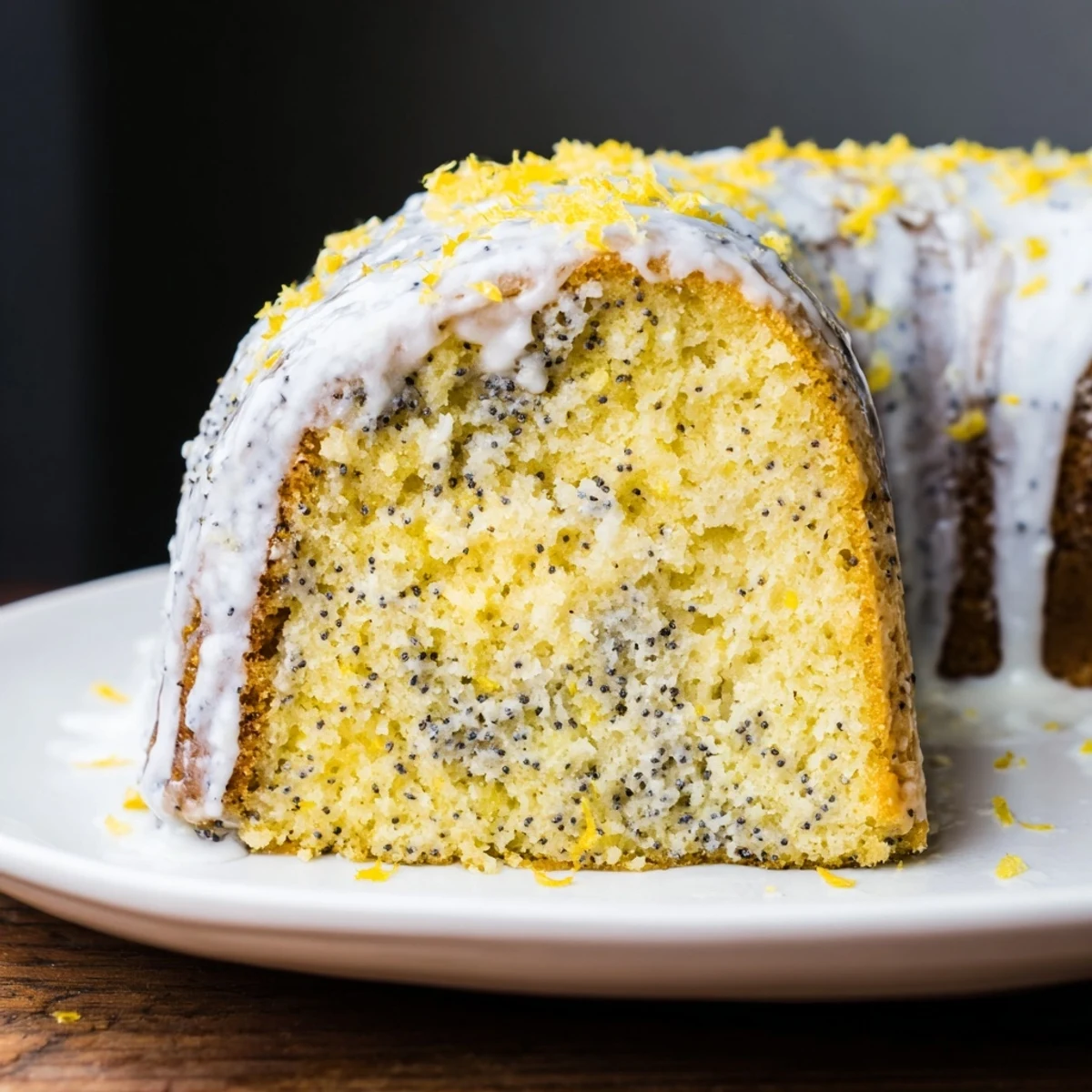
 This bundt is moist and fragrant, combining fresh lemon zest and juice with crunchy poppy seeds for a delightful texture. Butter and sugar are creamed until fluffy before folding in eggs, flour, and buttermilk for a tender crumb. The bright, zesty glaze adds a tangy finish that complements the cake’s citrus notes. Bake until golden, then cool and drizzle the glaze to complete this vibrant dessert. Optional almond extract can enhance flavor, and fresh berries serve as a fresh side.
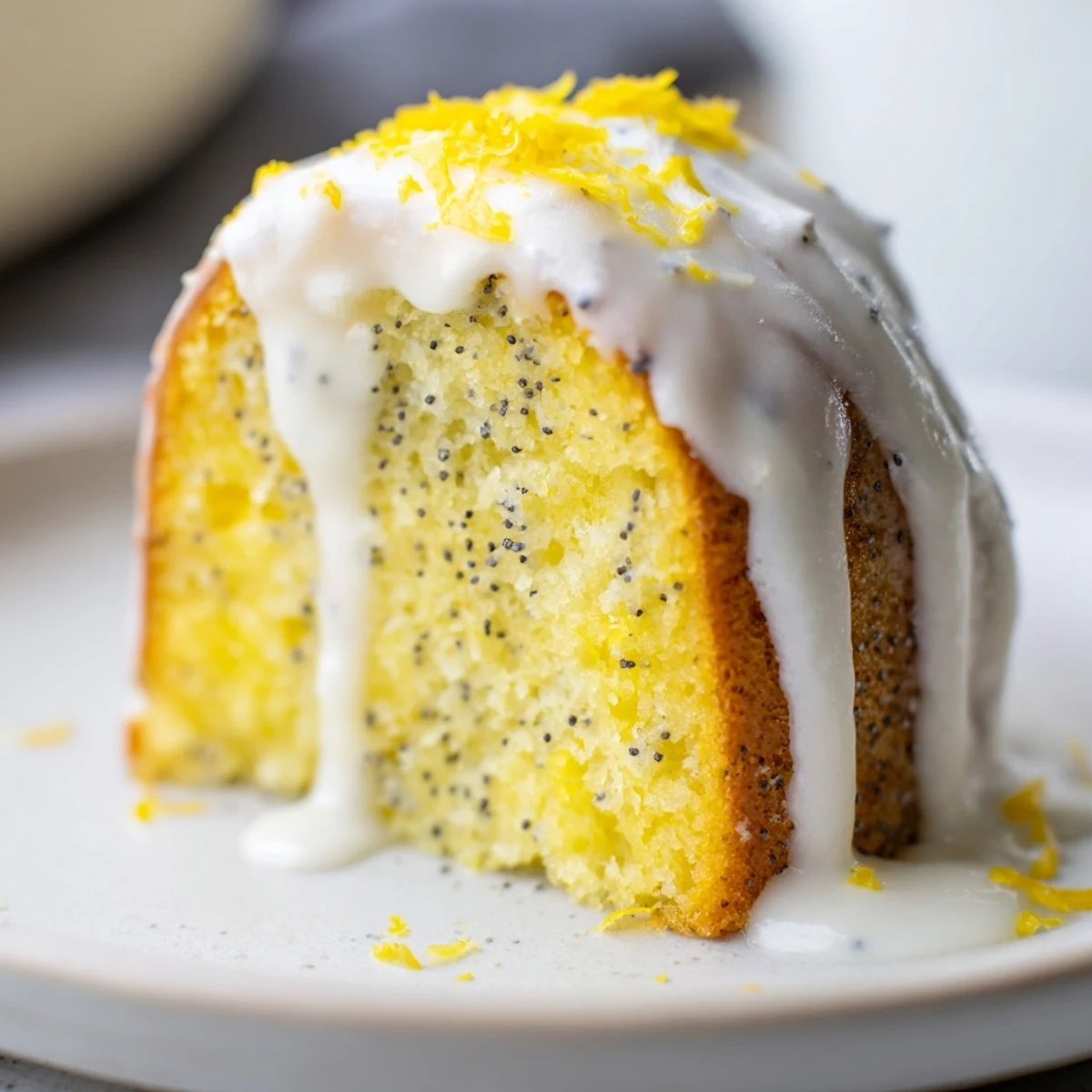
There's something about the smell of lemon zest hitting a hot pan that stops me mid-conversation. I discovered this cake on a Tuesday afternoon when my neighbor mentioned she'd burned three bundt cakes in a row, and I found myself volunteering to figure out what she was doing wrong. What emerged wasn't just a recipe, but a perfectly balanced cake that somehow manages to be both delicate and bold at the same time. The poppy seeds catch the light when you slice into it, and the glaze pools just right on top, making it look like something from a bakery window.
I made this for my sister's book club last spring, and someone actually set their glass down mid-sip to ask for the recipe. That's the moment I knew it wasn't just good—it was the kind of cake that shifts how people think about lemon desserts.
Ingredients
- All-purpose flour (3 cups): The foundation, but you'll want to spoon and level this rather than scoop directly from the bag, or you'll end up with a dense cake wondering where you went wrong.
- Baking powder and baking soda (2½ tsp and ½ tsp): Don't skip whisking these together with the flour—they need to distribute evenly or you'll get bitter pockets instead of an even crumb.
- Salt (1 tsp): This seems small, but it's what makes the lemon flavor pop instead of feeling one-dimensional.
- Poppy seeds (2 tbsp): Fresh poppy seeds make all the difference; older ones taste dusty and defeat the whole purpose.
- Unsalted butter (1 cup): Room temperature is non-negotiable here—cold butter won't cream properly and you'll lose that tender structure.
- Granulated sugar (2 cups): The beating time matters more than you'd think; this is where the cake gets its fine, delicate crumb.
- Eggs (4 large, room temperature): Cold eggs seize up the batter and make it lumpy—run them under warm water for a minute if you're in a hurry.
- Lemon zest (1 tbsp from 2 lemons): Use a microplane if you have one, and get those pale yellow bits, not the bitter white pith underneath.
- Fresh lemon juice (⅓ cup): Bottled juice has a chemical aftertaste that ruins the whole point; squeeze actual lemons and strain out the seeds.
- Buttermilk (1 cup, room temperature): The acidity keeps the cake tender and prevents it from tasting heavy—this is the secret weapon most people miss.
- Vanilla extract (2 tsp): Real vanilla, not imitation, because you can taste the difference in something this simple.
- Powdered sugar for glaze (1½ cups, sifted): Sifting actually matters here or you'll have lumps that won't dissolve in the glaze.
- Lemon juice for glaze (2–3 tbsp fresh): Start with 2 and add more if your powdered sugar is particularly dry; consistency should pour slowly but not run off the cake.
- Lemon zest for glaze (1 tsp): This finishes the whole thing and makes it look intentional and elegant.
Instructions
- Prep your pan with intention:
- Grease and flour a 10–12 cup bundt pan thoroughly, getting into all the grooves and fluted edges. This is where cakes get stuck and crack when you invert them, so don't rush it.
- Build your dry ingredients:
- Whisk together flour, baking powder, baking soda, salt, and poppy seeds in a medium bowl, making sure everything is evenly distributed. Set this aside and trust that you've done it right.
- Cream butter and sugar into clouds:
- In a large bowl, beat softened butter and sugar on medium speed for 3–4 minutes until it's pale, fluffy, and almost mousse-like. This is where the cake gets its tender crumb, so don't cut corners on the beating time.
- Fold in the eggs one by one:
- Add eggs individually, beating well after each one, then mix in the lemon zest and vanilla. This prevents the batter from looking curdled and ensures everything emulsifies properly.
- Make your lemon buttermilk mixture:
- Combine buttermilk and fresh lemon juice in a small bowl. Let it sit for a minute—it'll thicken slightly and become like a tangy liquid gold.
- Alternate wet and dry gently:
- With the mixer on low, add the flour mixture and buttermilk mixture in three additions, starting and ending with flour. Stop mixing as soon as you don't see any white streaks; overmixing develops gluten and makes the cake tough.
- Pour and smooth with care:
- Evenly distribute the batter into your prepared pan and smooth the top with a spatula. A few gentle taps on the counter release air bubbles.
- Bake until golden:
- Bake for 40–45 minutes at 350°F until a toothpick inserted in the center comes out clean or with just a crumb or two. The edges should pull slightly away from the pan.
- Cool with patience:
- Let the cake cool in the pan for 15 minutes—this is crucial because if you flip it too soon it'll break. Then invert it onto a wire rack and let it cool completely before glazing.
- Make the glaze smooth and glossy:
- Whisk powdered sugar, lemon juice, and zest until smooth and pourable. If it's too thick, add more lemon juice a teaspoon at a time; if too thin, add more powdered sugar.
- Glaze like you mean it:
- Once the cake is fully cooled, drizzle the glaze evenly over the top in a simple pattern. Let it set for 15–20 minutes before slicing so it firms up slightly.
 Save to Pinterest
 I remember watching my daughter carefully drizzle the glaze onto a cake she'd baked entirely on her own, and the pride on her face when it looked as good as a bakery cake. That's when I realized this recipe wasn't just about flavor—it was about creating something beautiful and sharing it with people you love.
Why This Cake Works Every Time
The secret is the buttermilk and the lemon juice together—buttermilk's acidity activates the baking soda and keeps the crumb tender, while lemon juice adds brightness that doesn't fade. The ratio of butter to sugar is balanced so the cake stays moist without being greasy, and the poppy seeds add fiber and texture that makes it feel less heavy than you'd expect. This is a cake that actually tastes better the next day after the flavors have had time to get cozy with each other.
Making It Your Own
The base recipe is solid, but there are gentle ways to make it personal. If you love almonds, add ½ tsp almond extract to the batter—it whispers in the background and doesn't overpower the lemon. Fresh berries on the side turn it into a summer dessert, or you could dust the finished cake with a tiny bit of poppy seeds for extra drama before the glaze sets.
Serving and Storage
This cake is best eaten within three days because after that the glaze starts to weep slightly and the crumb begins to dry out, though it's still perfectly fine. I always slice it with a thin, warm knife—dip it in hot water and wipe it dry between cuts and you'll get clean, beautiful slices instead of rough edges.
- Wrap tightly with plastic wrap if you're keeping it; the glaze helps it stay moist, but plastic wrap is your friend.
- Room temperature tastes better than cold, so take it out of the fridge 30 minutes before serving if you've refrigerated it.
- It freezes beautifully without the glaze if you want to bake ahead; glaze it on the morning you're serving.
 Save to Pinterest
 There's something deeply satisfying about pulling a golden bundt cake from the oven, smelling that perfect balance of lemon and vanilla, and knowing that something this elegant came from your own kitchen. This cake never fails to make people slow down and actually taste their dessert.
Recipe FAQs
- → What makes this bundt moist?
-
The combination of butter, buttermilk, and fresh lemon juice helps create a tender and moist crumb.
- → How do poppy seeds affect texture?
-
Poppy seeds add a delightful crunch contrasting the soft cake, enhancing each bite’s complexity.
- → How should the glaze be applied?
-
Once the bundt cake is fully cooled, drizzle the lemon glaze evenly over the top and allow it to set before slicing.
- → Can I add other flavors?
-
A hint of almond extract can be mixed into the batter for a deeper flavor profile without overpowering the lemon.
- → What baking pan is recommended?
-
Use a 10- to 12-cup bundt pan for even baking and to achieve the classic ring shape.