
 Save to Pinterest
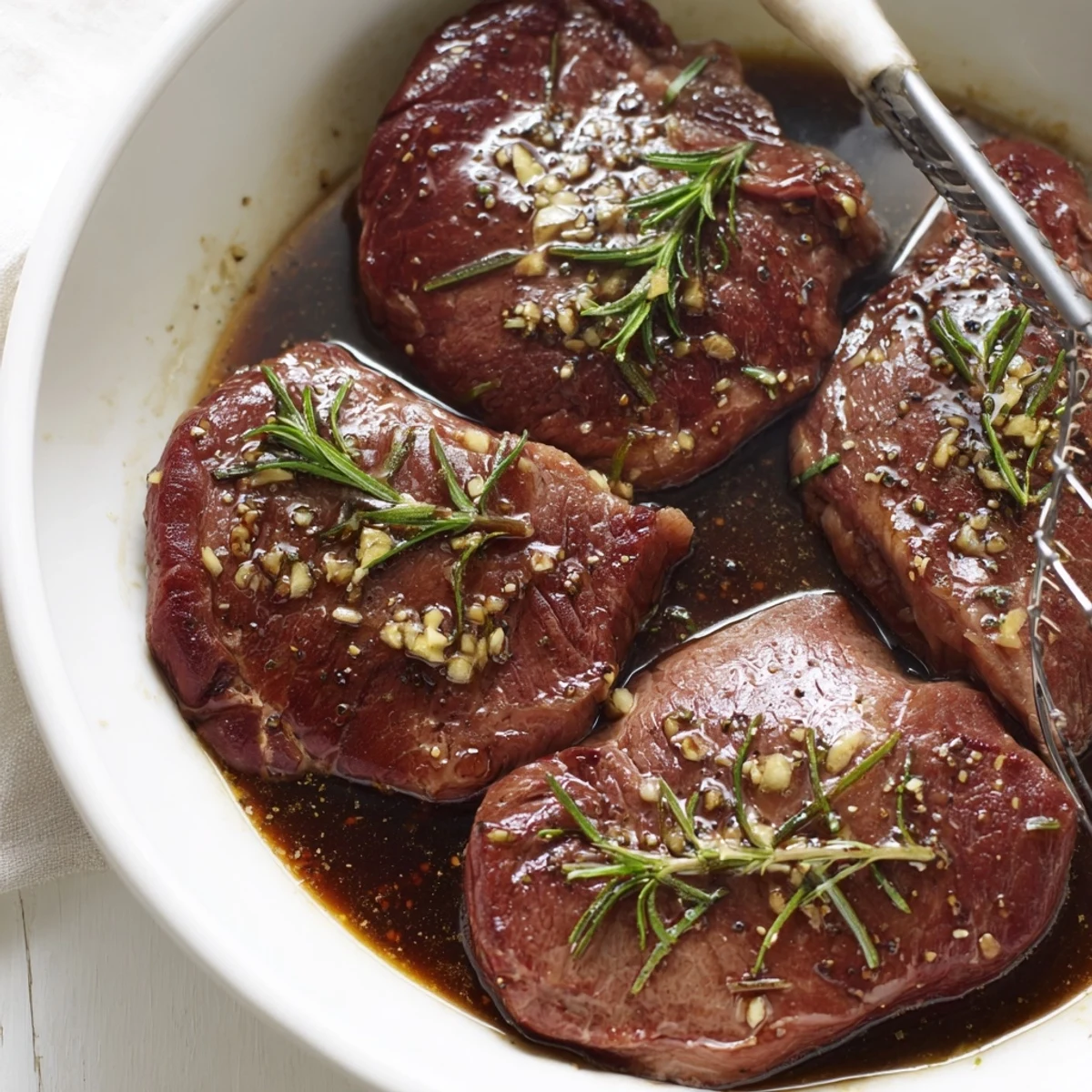
 This soy-and-balsamic marinade brightens and tenderizes steaks with minimal prep. Whisk soy sauce, olive oil, Worcestershire, balsamic, lemon juice, garlic, Dijon, brown sugar and herbs, then coat cuts and chill 2–24 hours. Pat dry before grilling, pan-searing or broiling and discard used marinade. Yields enough for four 200 g steaks; swap honey or tamari for dietary tweaks.
The first time I tinkered with steak marinades, I was lured in by the sizzle of beef meeting a hot grill out back on a mild spring evening—windows open, breeze carrying the scent indoors. My kitchen became what I can only describe as a happy mess of spice jars and sticky measuring spoons, garlic bits clinging to the cutting board. I remember being genuinely surprised by how quickly the marinade came together, nothing fancy—just pungent, acidic, savory. That first batch, and the sense of anticipation as the steaks soaked, set the standard for steak nights that followed.
Last summer I prepped this marinade for friends coming over after work, and my nerves about hosting faded when the laughter started up in the backyard while the steaks soaked. The sound of the grill lid clanking shut and the burst of garlicky aroma had even the neighbors peeking over the fence. Watching everyone hover impatiently, drinks in hand, taught me there’s something about well-marinated steak that turns a regular evening into an occasion. The best part was seeing plates wiped clean before I even had a chance to sit down myself.
Ingredients
- Soy sauce: Deep, salty backbone that infuses everything—low-sodium works too if you want a gentler touch.
- Olive oil: Helps the marinade cling to the steak and keeps the meat juicy; choose extra-virgin for the peppery aroma.
- Worcestershire sauce: Unmistakable tang and umami; a little goes a long way, and swirling it in last amps up the savory notes.
- Balsamic vinegar: Brings depth and a mellow sweetness that balances the salt and sour.
- Lemon juice: Freshly squeezed is key—it brightens up all the heavier flavors in seconds.
- Garlic: Mince it fine for even flavor; let it sit a minute after chopping to mellow sharpness.
- Dijon mustard: Creamy zip that subtly thickens the marinade and gives steaks a hint of bite.
- Brown sugar: Adds caramel notes and helps the outside of your steak get that lovely crust when grilled.
- Black pepper: Freshly ground is a must—the scent alone gets me excited for dinner.
- Rosemary: Dried or fresh both work—finely chop fresh to avoid woody bits in each bite.
- Onion powder: The quiet flavor boost that ties everything together.
Instructions
- Mix the base:
- In a medium bowl, whisk soy sauce, olive oil, Worcestershire, balsamic vinegar, and lemon juice until the mixture turns silky and glossy.
- Add the aromatics:
- Toss in minced garlic, Dijon, brown sugar, black pepper, rosemary, and onion powder; whisk again so the sugar melts and you catch the sharp scent of mustard and herbs.
- Prepare the steaks:
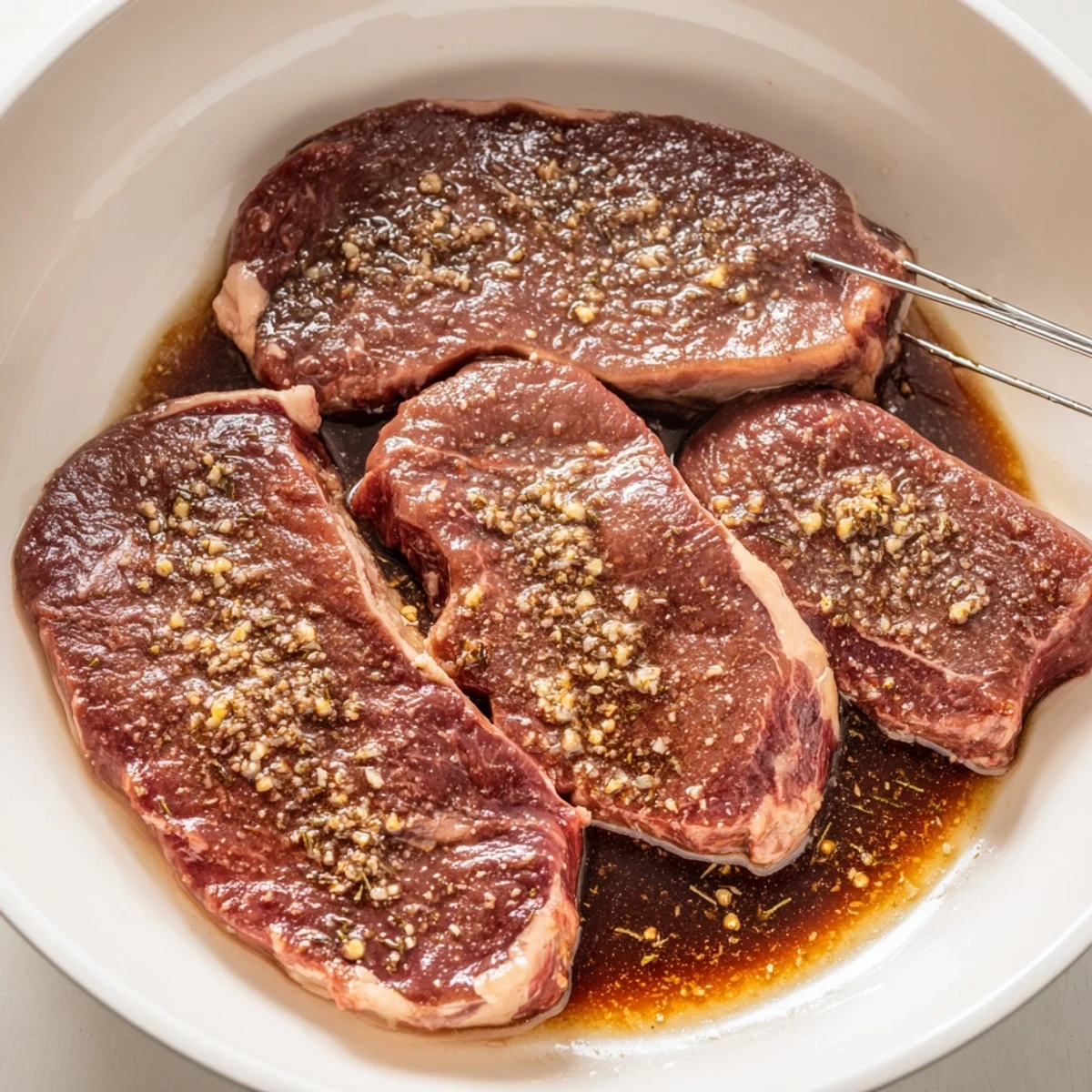
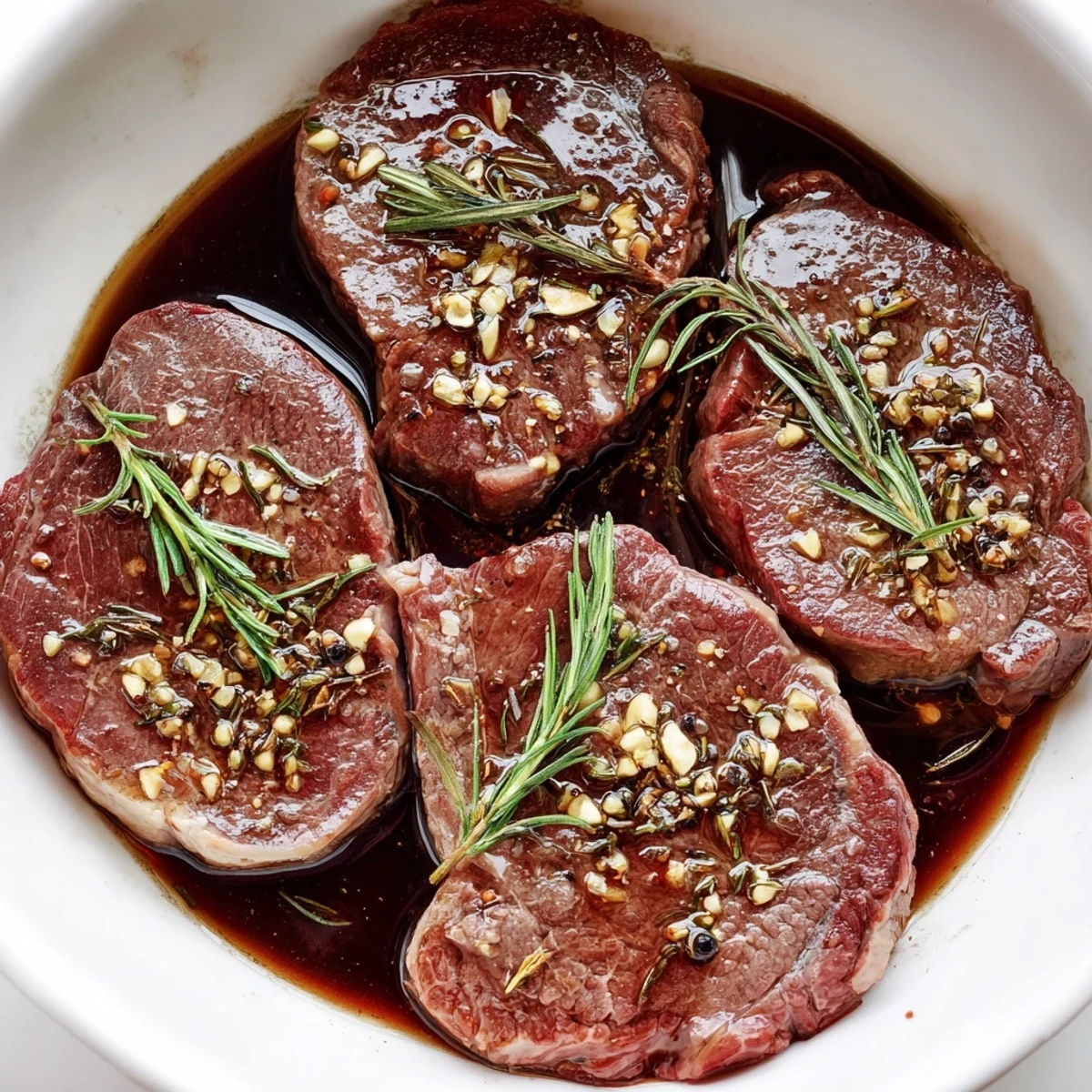
- Arrange steaks in a resealable bag or shallow dish, then pour the marinade over to coat every surface—don’t forget to swoosh it around for even coverage.
- Marinate and chill:
- Seal the bag or cover your dish, and refrigerate at least 2 hours—overnight is magic for tenderness; flip the steaks once or twice if you remember.
- Cook and finish:
- Take steaks out, pat them dry for that perfect sear, discard the marinade, and cook however you like—grill, broil, or pan-sear to your favorite doneness.
 Save to Pinterest
 The first time my dad asked for seconds, he paused to actually ask what I put in the marinade, which had never happened before; it wasn’t just family dinner, it was the moment I felt like I’d made something truly memorable. Sharing that recipe right then, surrounded by stories and empty plates, felt like passing along a little kitchen magic.
Switching Things Up for Different Occasions
This marinade isn’t locked to steak—my favorite experiment has been using it on bone-in pork chops and even chicken, with equally juicy results. Swapping in honey for brown sugar led to a stickier crust on grilled meats, which is especially nice for summer dinners outside. For a spicy twist, I’ve sneaked in red pepper flakes when the mood calls for something with bite.
Serving Suggestions That Shine
I love pairing these steaks with charred asparagus or buttery roasted potatoes, but on hurried nights, I’ve even tossed thin slices over a leafy salad and called it dinner. A glass of big red wine makes everything taste bolder, especially if you’ve let the marinade work its magic overnight. Somehow this always tastes best surrounded by friends—paper napkins and messy fingers optional.
Troubleshooting and Last-Minute Tips
Sometimes I start the marinade late in the day and only get two hours of soak—letting the steaks sit at room temperature for 20 minutes before cooking can help bring out more flavor if you’re short on time. Straining out the garlic and herbs before pouring the marinade can help avoid burning bits on a screaming hot grill. Taste the marinade before you add the meat—a little extra lemon or black pepper can save the day if it feels flat.
- Always double-check for dietary needs (soy, gluten, mustard).
- Don’t skip the resting step after cooking—juices need time to settle.
- Cleanup is faster if you marinate in a zip-top bag.
 Save to Pinterest
 This marinade turned weeknight steak into something worth gathering around the table for, and I hope it brings you just as much joy on your next grilling night.
Recipe FAQs
- → How long should I marinate steaks?
-
Marinate at least 2 hours to let acids and aromatics penetrate; 6–24 hours deepens flavor and tenderizes further. Avoid much longer for very thin cuts to prevent mushy texture.
- → Can this marinade be used for chicken or pork?
-
Yes. Reduce chicken time to 1–6 hours and use 2–12 hours for pork chops. For delicate proteins, dilute the soy slightly or shorten marination to protect texture.
- → How can I prevent flare-ups when grilling marinated steak?
-
Pat steaks dry before cooking to limit dripping, brush oil on grates, and sear over high heat briefly. Move to indirect heat to finish if charring becomes excessive.
- → What can I substitute for soy sauce to avoid gluten?
-
Use tamari or a certified gluten-free soy sauce and swap in gluten-free Worcestershire. Always check labels for hidden gluten in condiments.
- → Is it safe to reuse leftover marinade as a sauce?
-
Do not reuse raw marinade directly. Reserve a portion before adding raw meat if you want a sauce, or bring used marinade to a full boil for several minutes to kill bacteria before serving.
- → Which cuts work best with this marinade?
-
Flank, skirt, sirloin and strip take well to this bold blend; ribeye and thicker steaks benefit from shorter marination to preserve their natural texture.