
 Save to Pinterest
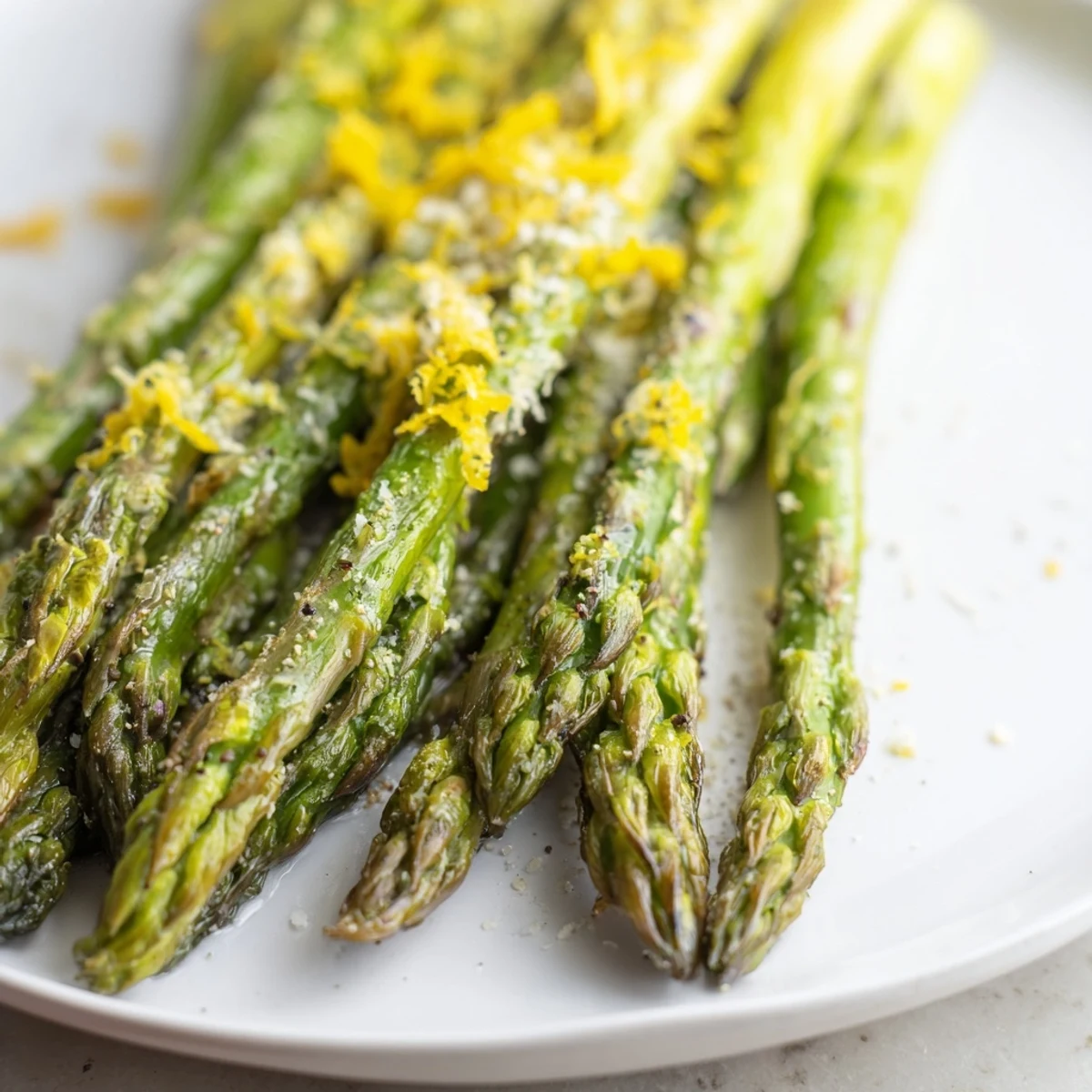
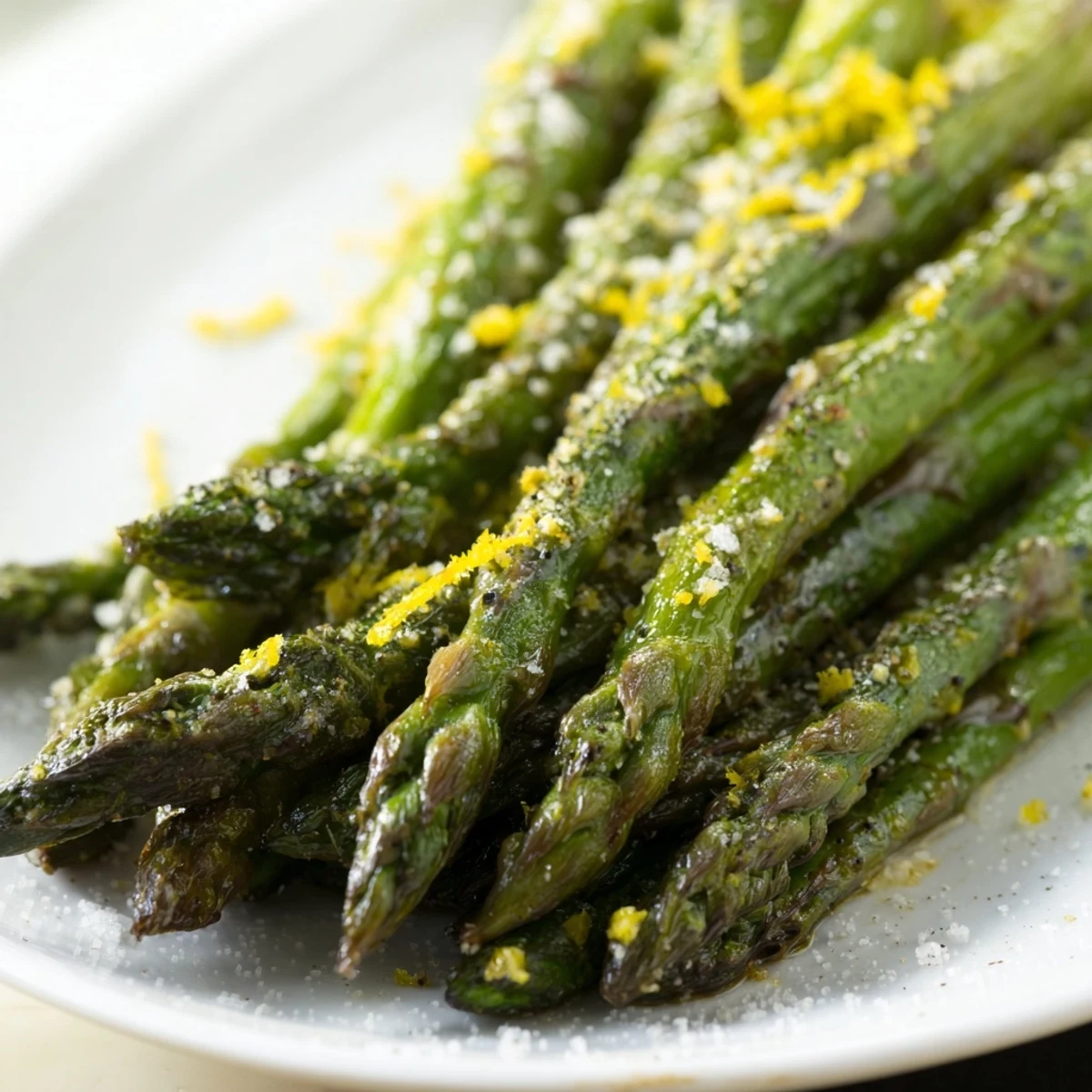
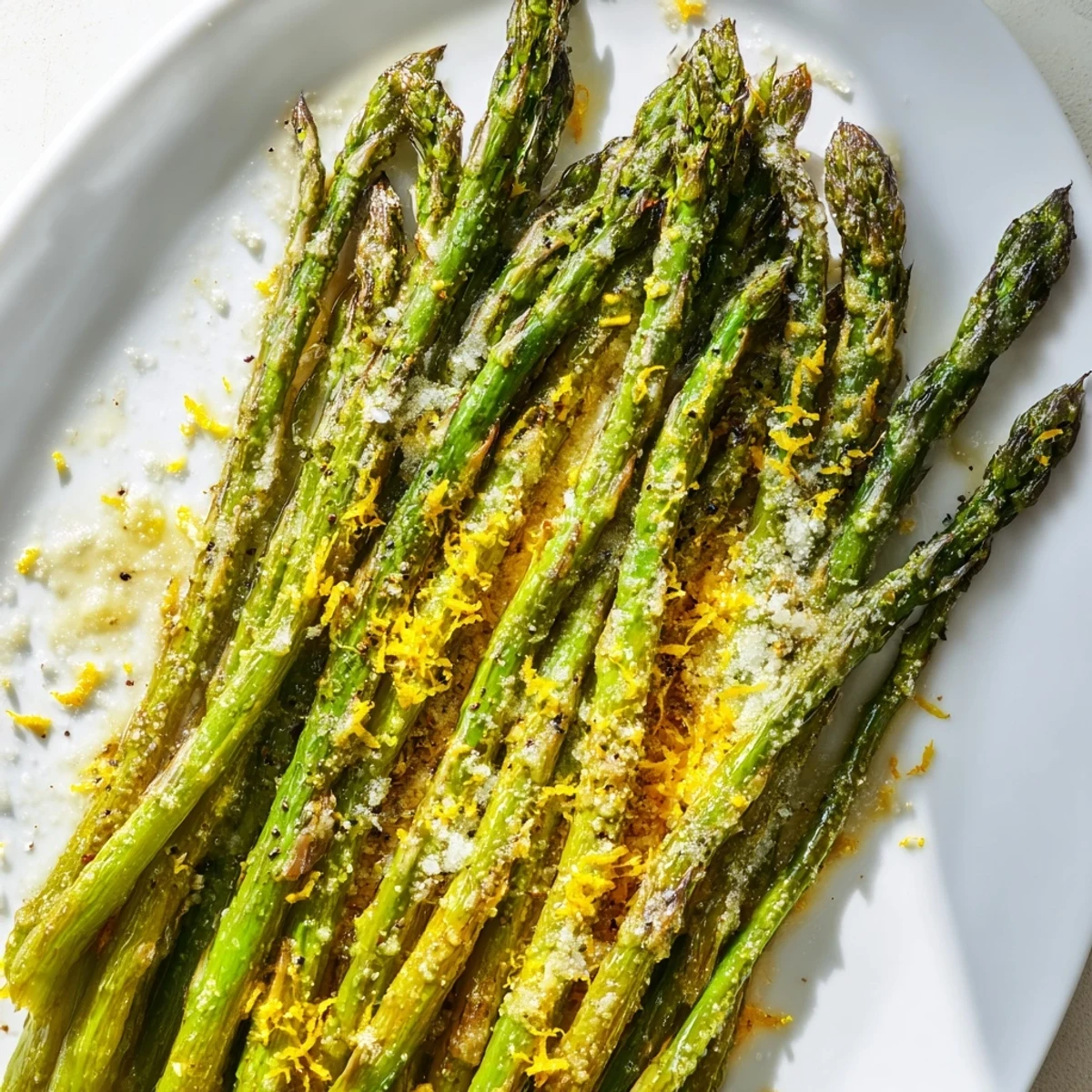
 This dish features fresh asparagus lightly coated in olive oil, seasoned with salt and pepper, then roasted until tender and lightly browned. After roasting, it’s topped with grated Parmesan cheese and fresh lemon zest, followed by a drizzle of lemon juice to brighten the flavors. Perfectly balanced with nutty and citrus notes, it’s an elegant side that complements a variety of meals. Quick and easy to prepare, it suits vegetarian and gluten-free preferences.
I bought a bundle of asparagus on a whim one Saturday morning, drawn to the bright green spears piled high at the market. Back home, I wasn't sure what to do with them until I remembered a neighbor once saying roasting brings out their sweetness. I tossed them with olive oil, added a handful of Parmesan and lemon zest after they came out of the oven, and couldn't believe how something so simple tasted so complete.
The first time I served this was for a small dinner with friends who arrived earlier than expected. I panicked and threw the asparagus in the oven while we opened wine, and when I brought the pan to the table, everyone went quiet for a moment before reaching for seconds. It became my go to side dish whenever I want something that looks intentional but doesn't demand much attention.
Ingredients
- Fresh asparagus: Look for firm spears with tight tips, and snap off the woody ends naturally where they break instead of measuring with a knife.
- Olive oil: A good quality olive oil makes a difference here since it coats the asparagus and helps the edges caramelize beautifully in the oven.
- Kosher salt and black pepper: Simple seasoning lets the asparagus shine, and freshly cracked pepper adds a little bite that balances the Parmesan.
- Parmesan cheese: Grate it fresh if you can, the pre shredded kind doesn't melt or cling to the warm asparagus the same way.
- Lemon zest and juice: The zest brings floral brightness, and the juice adds a tangy finish that cuts through the richness of the cheese.
Instructions
- Prep the oven and pan:
- Preheat your oven to 425°F and line a baking sheet with parchment paper. This high heat is what gives the asparagus those slightly crispy, caramelized edges.
- Arrange the asparagus:
- Lay the trimmed asparagus in a single layer on the baking sheet, making sure they're not crowded so they roast instead of steam.
- Season and coat:
- Drizzle the olive oil over the asparagus, then sprinkle with salt and pepper. Use your hands or tongs to toss everything until each spear is lightly coated.
- Roast until tender:
- Slide the pan into the oven and roast for 12 to 15 minutes, depending on the thickness of your asparagus. You'll know they're ready when they're tender and the tips start to brown.
- Add the toppings:
- Pull the pan out and immediately sprinkle the grated Parmesan and lemon zest over the hot asparagus. The residual heat will melt the cheese just enough to make it cling.
- Finish with lemon juice:
- Drizzle fresh lemon juice over the top right before you serve. This final splash brightens everything and ties the flavors together.
 Save to Pinterest
 One spring evening, I made this for my mom who always said she didn't like asparagus. She took one bite, paused, then quietly finished the entire serving without a word. Later she asked me to write down what I did, and I realized sometimes it's not the ingredient people dislike, just the way it was prepared before.
Choosing the Best Asparagus
Look for spears that are firm and smooth with tightly closed tips, and avoid any that feel rubbery or have tips that are starting to flower. Thicker asparagus tends to be more tender and forgiving when roasted, while the thin ones can dry out quickly if you're not careful. I've learned to buy them the day I plan to cook them, but if you need to store them, trim the ends and stand them upright in a glass of water in the fridge.
Variations to Try
Sometimes I'll toss in a handful of toasted pine nuts or slivered almonds right before serving for a little crunch. If you like heat, a pinch of red pepper flakes scattered over the asparagus before roasting adds a warm kick that plays nicely with the lemon. For a vegan version, swap the Parmesan with nutritional yeast, though I'll admit the flavor is different, it still gives you that savory umami note.
Serving Suggestions
This pairs beautifully with roast chicken, grilled fish, or even a simple weeknight pasta. I've brought it to potlucks where it sat alongside heavier casseroles and disappeared first, probably because it felt light and bright next to everything else. It's one of those sides that works for both casual dinners and occasions when you want to impress without spending hours in the kitchen.
- Serve it warm straight from the oven, the Parmesan is at its best when it's just melted.
- Leftovers can be chopped and tossed into a frittata or grain bowl the next day.
- If you're making this ahead, roast the asparagus and add the toppings right before serving so the lemon stays fresh.
 Save to Pinterest
 There's something quietly satisfying about pulling a pan of roasted asparagus from the oven and watching it disappear from the table. It's proof that the best dishes don't need to be complicated, just honest and made with care.
Recipe FAQs
- → What temperature is best for roasting asparagus?
-
Roasting asparagus at 425°F (220°C) ensures it becomes tender with a slight caramelization, enhancing its natural flavors.
- → Can I prepare this dish vegan?
-
Yes, substitute Parmesan with nutritional yeast to maintain a cheesy flavor without dairy.
- → How do I know when asparagus is done roasting?
-
Asparagus is ready when it's tender, slightly browned, and easily pierced with a fork, usually after 12–15 minutes.
- → What other toppings can enhance this dish?
-
Toasted pine nuts or a sprinkle of red pepper flakes add texture and a hint of spice, complementing the asparagus well.
- → Is this side suitable for gluten-free diets?
-
Yes, all ingredients are naturally gluten-free, making it ideal for those avoiding gluten.