
 Save to Pinterest
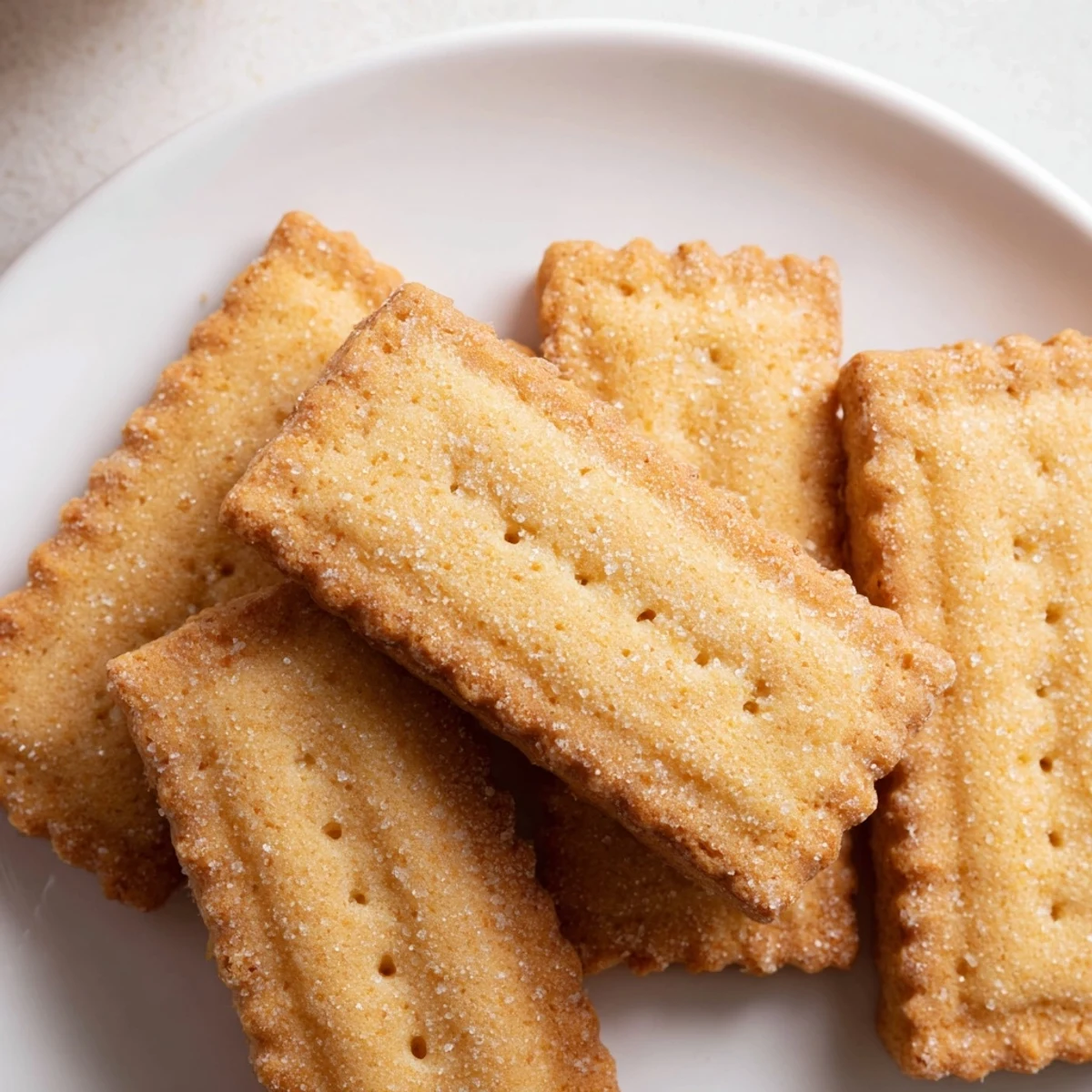
 Le petit beurre est un biscuit emblématique de la pâtisserie française, reconnu pour sa texture croustillante et sa belle couleur dorée. Sa préparation repose sur des ingrédients simples : farine, beurre doux, sucre, lait et une touche de vanille.
La pâte, une fois homogène, repose au réfrigérateur pendant une heure pour faciliter l'étalage. Découpée à l'emporte-pièce rectangulaire cannelé, elle est ensuite piquée à la fourchette avant d'être enfournée à 180°C pendant 12 minutes.
Ces biscuits se conservent parfaitement une à deux semaines dans une boîte hermétique et se déclinent en variantes avec des zestes de citron ou un enrobage au chocolat.
There is something quietly magical about a French biscuit that has survived generations without needing a single makeover, and my kitchen always smells like a small Parisian bakery whenever I make these. The butter melts into the dough like a secret being whispered, and the vanilla floats through the apartment so convincingly that my neighbor once knocked to ask what I was baking at ten in the morning.
A friend visiting from Lyon watched me roll out the dough last winter and immediately recognized the shape before I even said the name. She told me her grandmother used to prick each biscuit with a fork in a specific pattern, almost like a signature, and now I catch myself doing the same thing without thinking.
Ingredients
- 200 g all purpose flour: This is the backbone of the biscuit, and I learned the hard way to spoon it into the measuring cup rather than scooping directly from the bag to avoid a dense, heavy dough.
- 100 g granulated sugar: Just enough sweetness without tipping these into cookie territory, keeping them honest companions for tea.
- 100 g unsalted butter: Use good quality butter here because there are so few ingredients that every single one speaks volumes.
- 50 ml whole milk: Whole milk matters because the fat content helps bind everything together with a tenderness that water or low fat milk simply cannot replicate.
- 5 g baking powder (half a packet): A gentle lift, nothing aggressive, just enough to keep the biscuits from feeling like hard tiles.
- 1 pinch of salt: Do not skip this, because salt is what makes butter taste like butter instead of just fat.
- 1 vanilla bean (or 1 packet vanilla sugar): Splitting a real vanilla bean and scraping the seeds into the warm liquid is a small luxury that transforms the entire batch.
Instructions
- Melt and marry the liquids:
- In a small saucepan over low heat, gently melt the butter with the milk until they become one golden pool. Stir in the sugar and vanilla, and keep the heat low enough that you can comfortably hold your hand above the pan without flinching.
- Let the warmth settle:
- Pour the fragrant liquid into a mixing bowl and let it cool until you can press your finger against the side without wincing. Patience here prevents the flour from cooking prematurely and turning gritty.
- Bring the dough together:
- Add the flour, baking powder, and salt all at once, then stir with a wooden spoon until the shaggy mass pulls away from the sides and starts looking like it wants to be touched. Switch to your hands and knead gently until the dough feels smooth and uniform, like a soft pillow that holds its shape.
- Rest in the cold:
- Shape the dough into a round disc, wrap it tightly in plastic film, and tuck it into the refrigerator for one full hour. This rest firms the butter back up and makes rolling out later feel effortless rather than a sticky wrestling match.
- Preheat the oven:
- Set your oven to 180 degrees Celsius with static heat, giving it plenty of time to reach full temperature before the biscuits go in. An oven that is not truly hot enough will spread the dough instead of setting the edges quickly.
- Roll and cut with care:
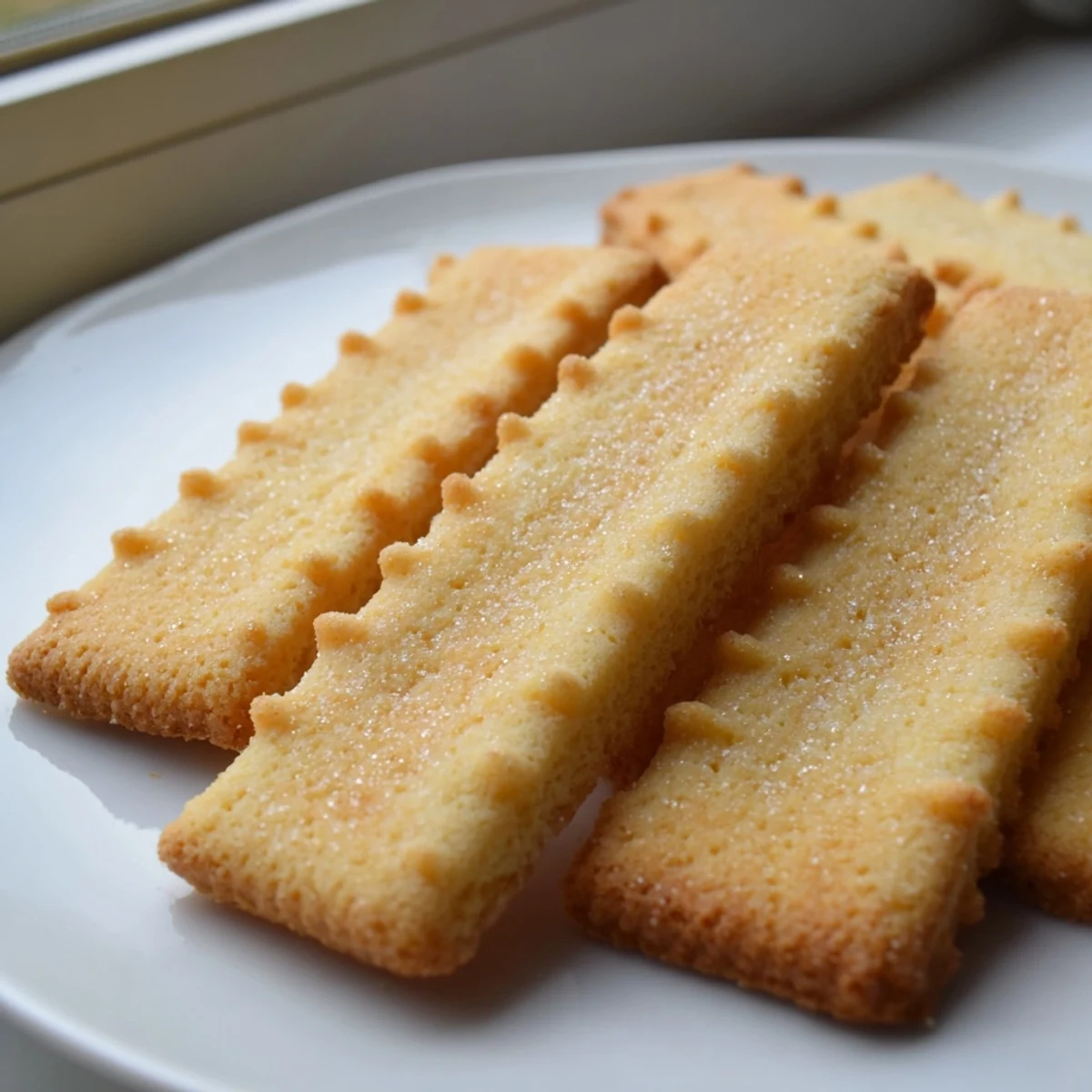
- On a lightly floured surface, roll the chilled dough to an even thickness of about three to four millimeters, which is thinner than you think it should be. Use a rectangular fluted cutter to stamp out each biscuit, pressing firmly and lifting straight up to keep those clean, characteristic edges.
- Arrange and prick:
- Transfer each cut biscuit onto a baking sheet lined with parchment paper, leaving a small gap between them because they will spread just slightly. Take a fork and prick each biscuit a few times, which is not just decorative but actually helps them bake evenly without puffing up.
- Bake to gold:
- Slide the tray into the oven and bake for twelve minutes, watching through the door during the last two minutes as the edges turn the color of toasted hazelnuts. Your kitchen will fill with a warm, buttery scent that makes waiting feel unbearable.
- Cool completely:
- Transfer the biscuits to a wire rack and let them cool until they reach room temperature, during which they will crisp up into that perfect snap. Eating one too early is tempting but you will get a softer, less satisfying bite.
 Save to Pinterest
 I packed a tin of these biscuits into a care package for my mother during a difficult month, and she called to say she ate three before lunch and felt like a child again, sitting on her own kitchen counter.
Keeping Them Crisp
Store the cooled biscuits in an airtight tin rather than a plastic bag, because plastic traps humidity and turns that beautiful snap into a sad softness within a day. Layer them between sheets of parchment if you need to stack, and they will stay perfect for up to two weeks, though in my experience they vanish long before that.
Playing with Flavors
A tablespoon of finely grated lemon zest folded into the dry ingredients gives these biscuits a brightness that pairs especially well with afternoon earl grey tea. For something more indulgent, melt dark chocolate and dip half of each cooled biscuit, then let them set on parchment until the shell hardens into a satisfying snap when you bite.
Tools That Make a Difference
You do not need fancy equipment, but having the right few items turns the process from frustrating to meditative, especially when you make these regularly.
- A fluted rectangular cutter gives the traditional petit beurre look, but any shape works if you are not married to authenticity.
- Parchment paper is non negotiable because these biscuits stick stubbornly to bare metal trays.
- A wire cooling rack prevents the bottoms from steaming and softening while they cool.
 Save to Pinterest
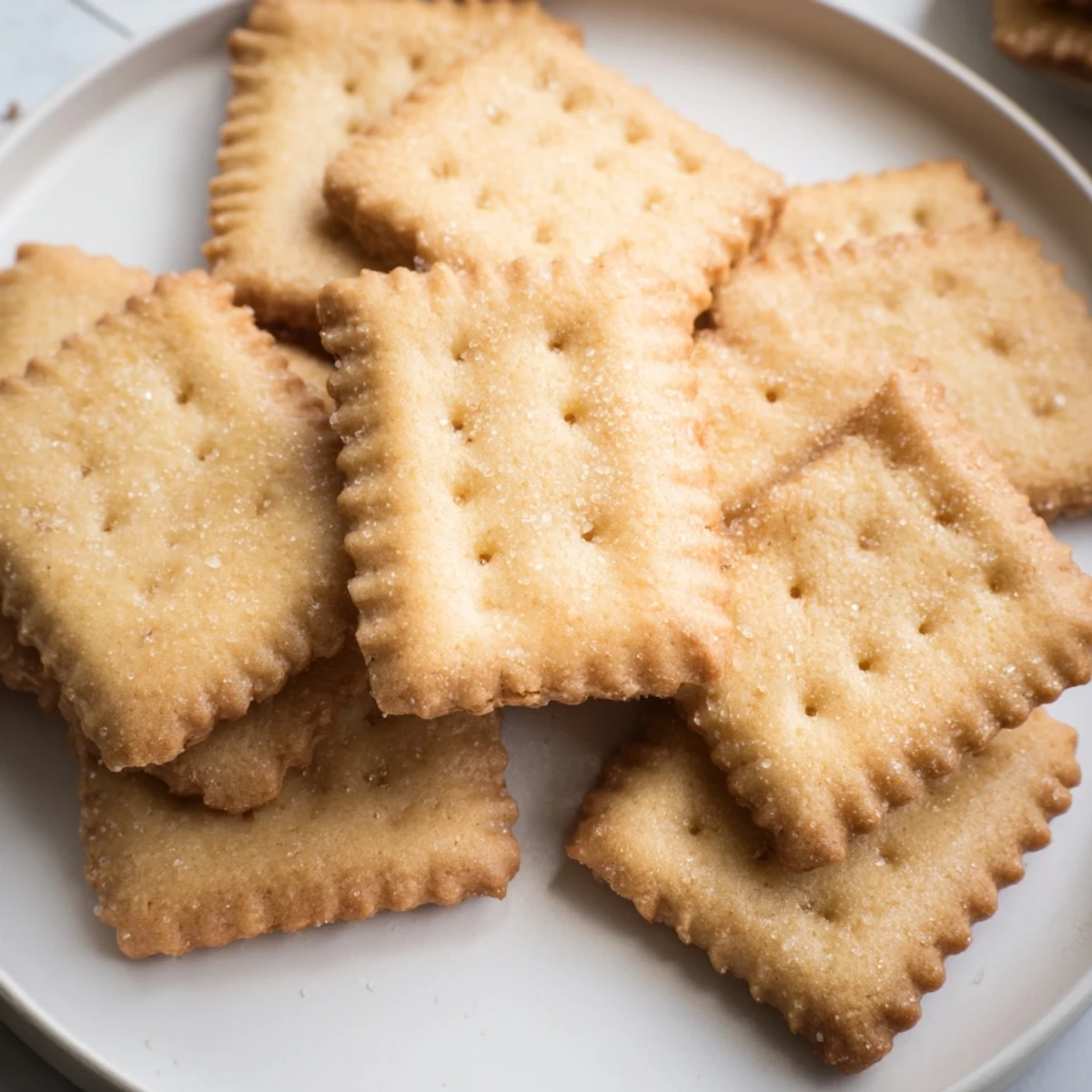
 There is a quiet kind of happiness in having a tin of homemade biscuits waiting in the cupboard, ready to turn any ordinary moment into something worth savoring. These petit beurre are exactly that kind of everyday luxury.
Recipe FAQs
- → Pourquoi faut-il laisser reposer la pâte au réfrigérateur ?
-
Le repos d'une heure au réfrigérateur permet au beurre de se solidifier, ce qui rend la pâte plus facile à étaler et à découper. Il permet également aux saveurs de se développer et d'obtenir une meilleure texture après cuisson.
- → Peut-on remplacer la levure chimique ?
-
La levure chimique peut être remplacée par un mélange de bicarbonate de soude et de crème de tartre. Vous pouvez également l'omettre si vous souhaitez des biscuits légèrement plus compacts, le petit beurre traditionnel étant peu levé.
- → Comment obtenir des biscuits bien réguliers ?
-
Étalez la pâte sur une épaisseur uniforme de 3 à 4 mm en utilisant des guides de pâtisserie si nécessaire. Utilisez un emporte-pièce rectangulaire cannelé et espacez les biscuits régulièrement sur la plaque pour une cuisson homogène.
- → À quoi servent les coups de fourchette sur les biscuits ?
-
Les piqûres à la fourchette permettent à la vapeur de s'échapper pendant la cuisson, évitant ainsi que les biscuits ne gonflent ou ne se déforment. C'est également une caractéristique traditionnelle esthétique du petit beurre.
- → Comment bien conserver les petits beurre ?
-
Placez les biscuits refroidis dans une boîte hermétique à température ambiante, à l'abri de l'humidité. Ils se conservent ainsi une à deux semaines en gardant leur croustillant. Évitez le réfrigérateur qui les ramollirait.
- → Peut-on congérer la pâte à petit beurre ?
-
Oui, la pâte se congèle très bien. Emballez-la soigneusement dans un film alimentaire puis dans un sac congélation. Elle se conserve jusqu'à trois mois au congélateur. Laissez-la décongérer au réfrigérateur avant de l'étaler.