
 Save to Pinterest
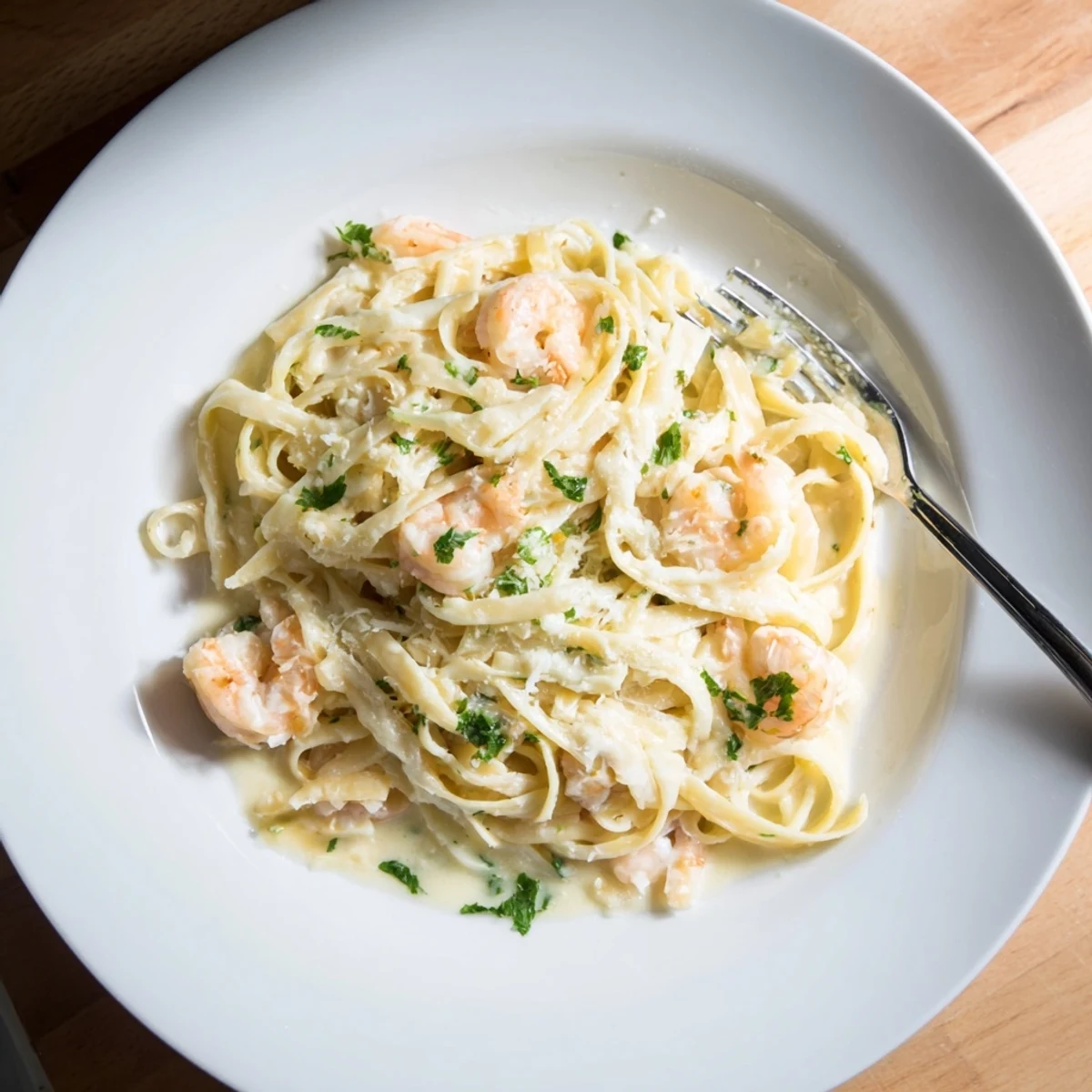
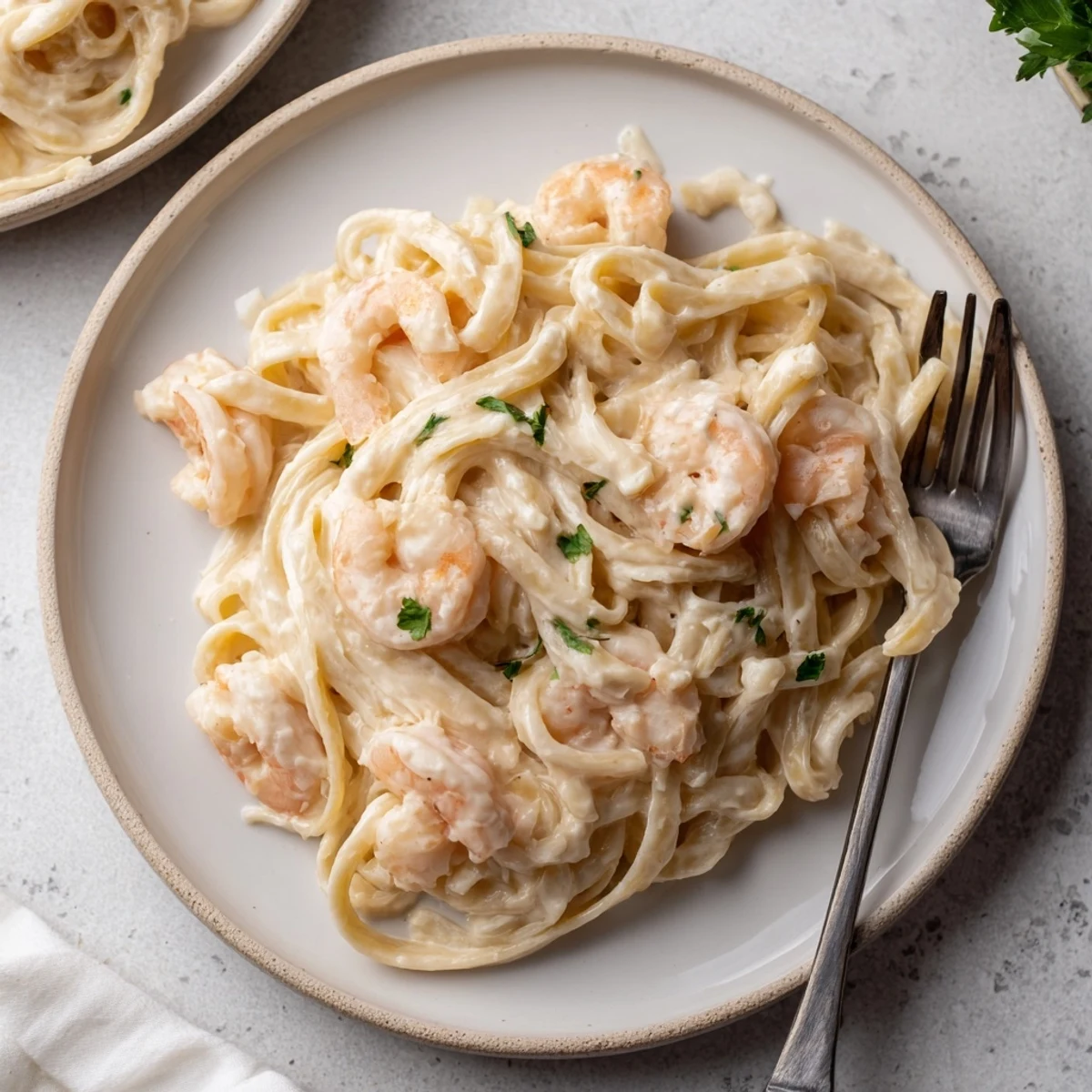
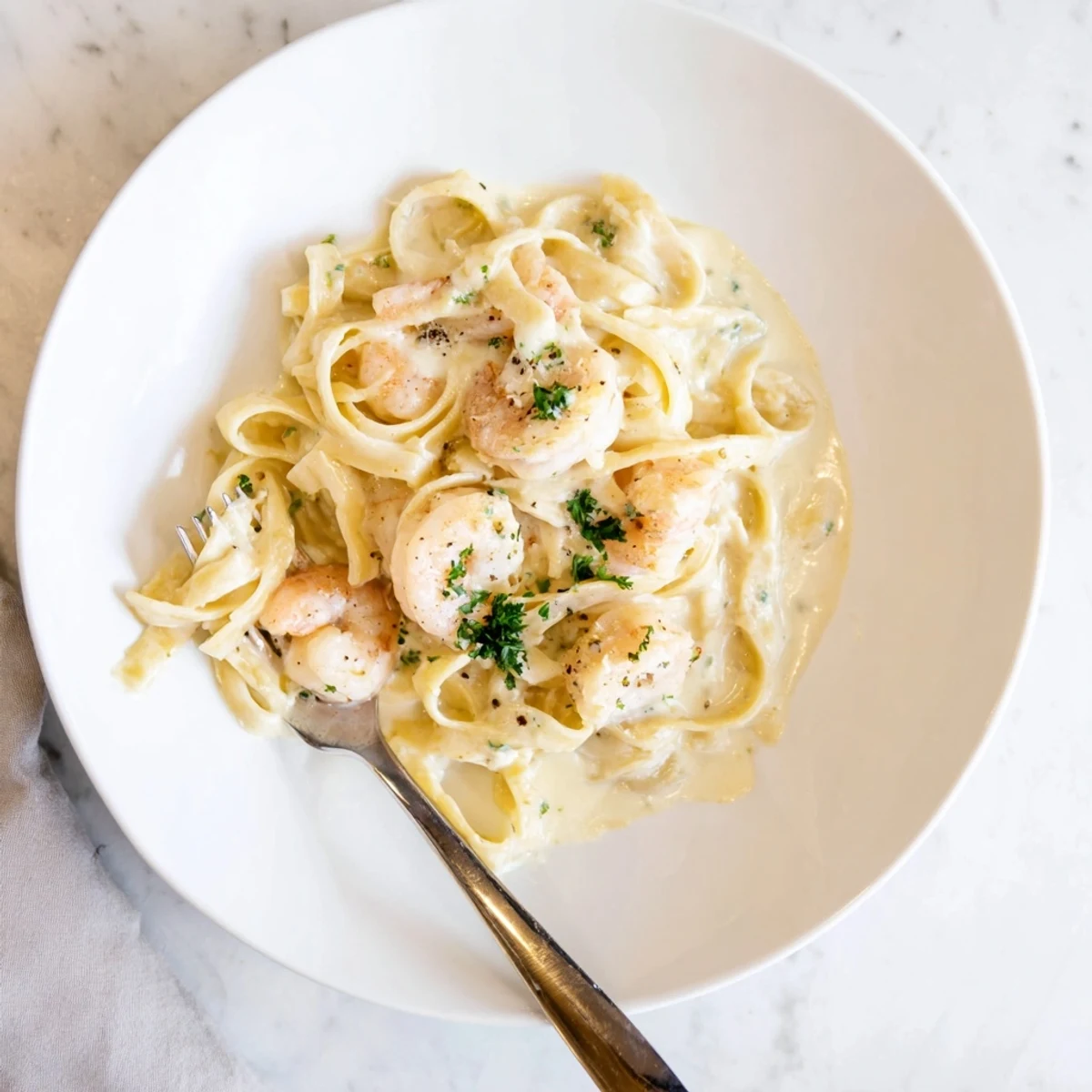
 This indulgent Italian-American classic combines tender, plump shrimp with al dente fettuccine in a velvety Parmesan-garlic cream sauce. The genius lies in cooking everything in a single pan—pasta and all—allowing the starches to thicken the sauce naturally while minimizing cleanup.
The shrimp are quickly seared to perfection first, then set aside while the fettuccine simmers directly in a flavorful broth-cream mixture. As the pasta cooks, it releases starch into the liquid, creating an incredibly silky sauce that clings beautifully to every strand.
Ready in just 30 minutes, this dish balances richness with the bright, briny sweetness of shrimp. A hint of red pepper flakes adds gentle warmth, while fresh parsley brings color and freshness. Perfect for weeknight dinners when you want something impressive without the fuss.
The Tuesday I discovered pasta could cook right in its sauce felt like unlocking a kitchen secret. My tiny apartment kitchen had exactly one burner working that week, and I was determined to make something impressive anyway. This shrimp fettuccine alfredo saved the night—rich, creamy, and somehow effortless.
My brother-in-law still talks about the night I served this for his birthday. He kept asking what restaurant it came from, genuinely shocked when I pointed to the skillet. Something about cooking everything together makes the sauce taste like it simmered for hours.
Ingredients
- Large shrimp: Peeled and deveined saves precious time, plus they cook evenly without the shell getting in the way of that creamy sauce
- Dry fettuccine: Traditional noodles work best here—they stand up to the rich sauce and have just the right surface area to cling to all that goodness
- Unsalted butter: Starting with unsalted lets you control exactly how salty the final dish becomes
- Heavy cream: This is what creates that velvety restaurant style texture you crave in alfredo
- Freshly grated Parmesan: Pre-grated cheese often has anti-caking agents that prevent proper melting—grate your own for the silkiest sauce
- Whole milk: Lightens the cream just enough so the sauce coats rather than clumps
- Garlic cloves: Fresh minced garlic beats powder every time—mellow and aromatic rather than sharp
- Shallot: More subtle than onion, with a gentle sweetness that balances the salty cheese
- Low-sodium chicken broth: Provides depth and starch absorption without making the dish too salty
- Salt and black pepper: Simple seasonings that let the shrimp and cheese shine
- Crushed red pepper flakes: Optional, but that tiny kick of heat cuts through the cream beautifully
- Fresh parsley: Bright herbal freshness that makes the whole dish look and taste alive
Instructions
- Build the flavor foundation:
- Melt butter in a large deep skillet over medium heat. Add shallot and garlic, stirring for 1-2 minutes until fragrant—do not let them brown or they will turn bitter.
- Sear the shrimp:
- Season shrimp with a pinch of salt and pepper. Cook for 2 minutes per side until just pink and remove from the pan immediately to prevent overcooking.
- Create the cooking liquid:
- Pour chicken broth, heavy cream, and whole milk into the same skillet. Bring everything to a gentle simmer—do not let it come to a rolling boil or dairy may separate.
- Cook the pasta directly:
- Add dry fettuccine to the liquid, stirring to submerge. Cook uncovered for 10-12 minutes, stirring frequently until pasta is al dente and most liquid has absorbed into the noodles.
- Transform into sauce:
- Lower heat and stir in Parmesan cheese and red pepper flakes until melted. The starch from pasta will help create a thick, glossy coating.
- Bring it together:
- Return shrimp and their juices to the pan. Toss everything gently and heat through for 1-2 minutes to let flavors marry.
- Final touch:
- Taste and adjust seasoning with salt and pepper. Sprinkle fresh parsley over the top and serve while hot.
 Save to Pinterest
 This recipe became my go-to for dinner parties after my friend Sarah asked for the recipe three times in one month. Now it is the meal I make when I want people to feel special without spending hours at the stove.
The Art of One Pan Pasta
Cooking pasta directly in sauce releases starch into the liquid, naturally thickening it without flour or roux. The noodles absorb flavor instead of just boiling in plain water. This technique works beautifully with cream-based sauces because the dairy creates an emulsion that clings to every strand.
Choosing Your Shrimp
Fresh or frozen shrimp both work perfectly—just thaw frozen ones completely and pat dry before cooking. Look for shrimp that have a slight translucent sheen and smell clean, like the ocean. Avoid anything with an ammonia scent or opaque, milky appearance.
Make It Your Own
The beauty of this dish is how gracefully it accepts additions and substitutions. Try stirring in baby spinach during the last two minutes of cooking for color and nutrition. Sautéed mushrooms add earthy depth, while crisp asparagus pieces bring spring freshness.
- Half-and-half can replace heavy cream for a lighter sauce
- Grilled chicken slices work beautifully instead of shrimp
- A splash of white wine in the cooking liquid adds brightness
 Save to Pinterest
 Some nights, the best meals are the ones that remind you how good simple food can be when you let the ingredients do the work.
Recipe FAQs
- → Can I use different pasta shapes?
-
Yes, linguine, spaghetti, or penne work well. Thinner pasta may cook faster, so adjust simmering time accordingly to prevent overcooking.
- → Can I make this with frozen shrimp?
-
Absolutely. Thaw frozen shrimp completely and pat them dry before cooking. Excess moisture can prevent proper searing and make the sauce watery.
- → How do I store and reheat leftovers?
-
Store in an airtight container in the refrigerator for up to 3 days. Reheat gently with a splash of milk or cream to restore sauce consistency. The pasta will absorb more liquid as it sits.
- → Can I make this dairy-free?
-
Use coconut cream or cashew cream instead of heavy cream, and nutritional yeast or vegan Parmesan substitute. The sauce will have a slightly different flavor profile but still creamy texture.
- → Why cook pasta directly in the sauce?
-
Cooking pasta in the sauce releases starch into the liquid, creating a naturally thickened, velvety sauce that clings perfectly to every strand. This technique also infuses the pasta with flavor from the broth and cream.
- → What can I add for extra vegetables?
-
Sautéed mushrooms, baby spinach, or broccoli flolets blend seamlessly. Add vegetables when sautéing the aromatics or stir in delicate greens like spinach during the last minute of cooking.