
 Save to Pinterest
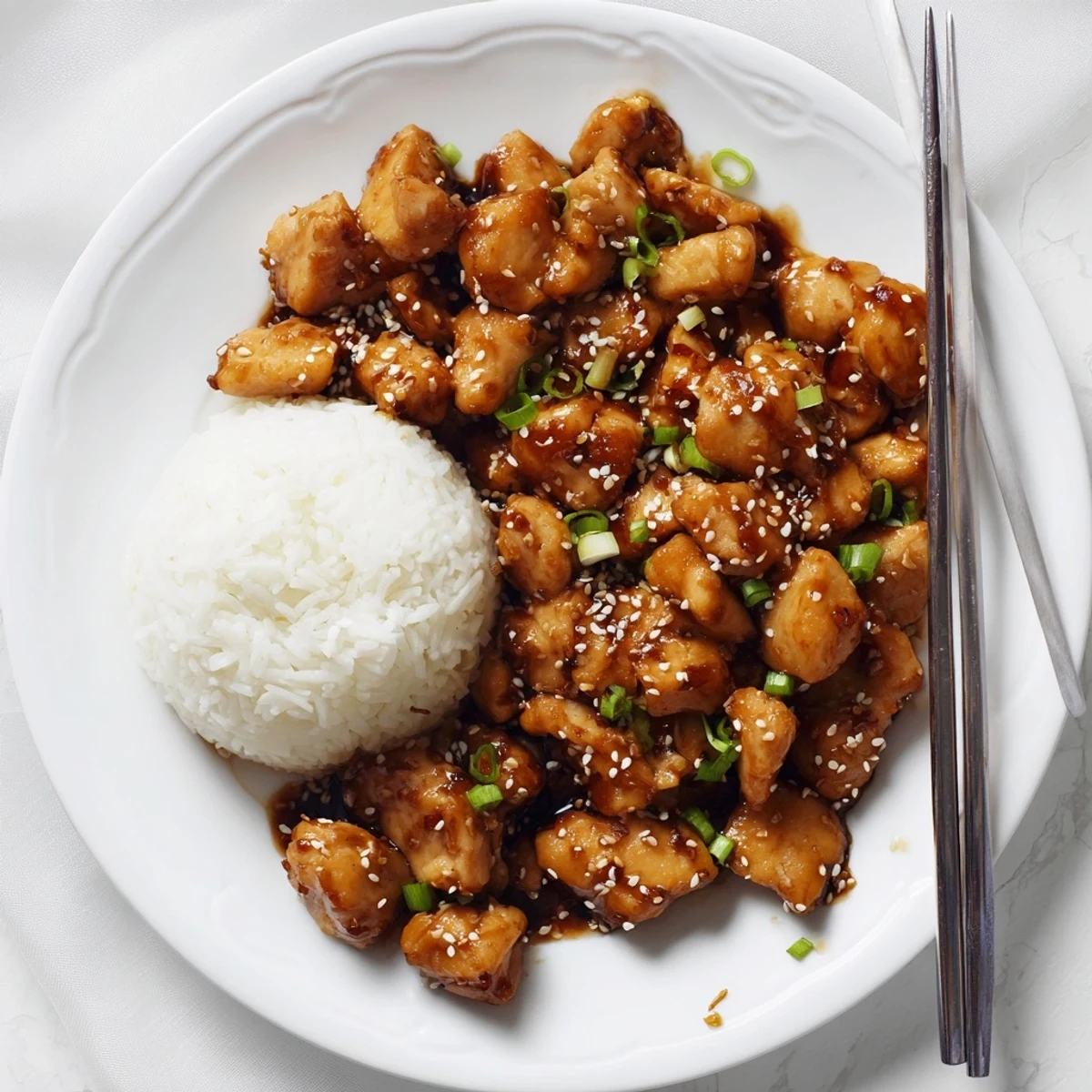
 This beloved Chinese-American dish features tender chunks of chicken coated in cornstarch and pan-seared until golden, then simmered in a glossy sauce made from soy sauce, brown sugar, garlic, fresh ginger, and rice vinegar. The sauce thickens beautifully with a simple cornstarch slurry, coating every piece of chicken in that signature sweet and savory glaze. Finished with fresh scallions and optional dried chilies for warmth, it comes together in just over half an hour—perfect for busy weeknights when takeout cravings strike.
The first time I attempted Mongolian chicken at home, I kept running to the window every three minutes, convinced my apartment smelled like a legitimate takeout kitchen. My roommate knocked on my door asking if I'd secretly ordered delivery, which I took as the highest possible compliment.
Last winter my sister came over for dinner and actually asked if I'd picked up Mongolian beef from our usual spot downtown. When I told her it was my homemade version, she demanded the recipe on the spot. Now she makes it for her family every Tuesday.
Ingredients
- Boneless chicken thighs: Thighs stay juicy and tender through high-heat cooking where breasts might dry out
- Cornstarch coating: Creates that signature velvety texture and helps the sauce cling to every piece
- Low-sodium soy sauce: Gives you control over salt levels while building that deep umami base
- Brown sugar: Balances the salty soy with subtle caramel notes you can't get from white sugar
- Fresh ginger: Grated fresh ginger brings a bright kick that powder simply cannot replicate
- Rice vinegar: Adds just enough acidity to cut through the sweet and heavy elements
- Sesame oil: A small amount delivers that authentic nutty finish at the very end
- Scallions: Provide fresh crunch and a pop of color against the rich glazed sauce
Instructions
- Coat the chicken:
- Toss your chicken pieces thoroughly with cornstarch, salt, and pepper until every surface is dusted and white
- Whisk the sauce:
- Combine soy sauce, brown sugar, water, garlic, ginger, vinegar, and sesame oil until the sugar completely dissolves
- Prep the slurry:
- Mix cornstarch with water in a tiny bowl until smooth, stirring right before you need it
- Sear the chicken:
- Heat oil in your skillet until shimmering, add chicken in a single layer, and let it develop a golden crust before flipping
- Add the aromatics:
- Toss in dried chilies if using, then return chicken to the pan and pour in your sauce mixture
- Thicken the sauce:
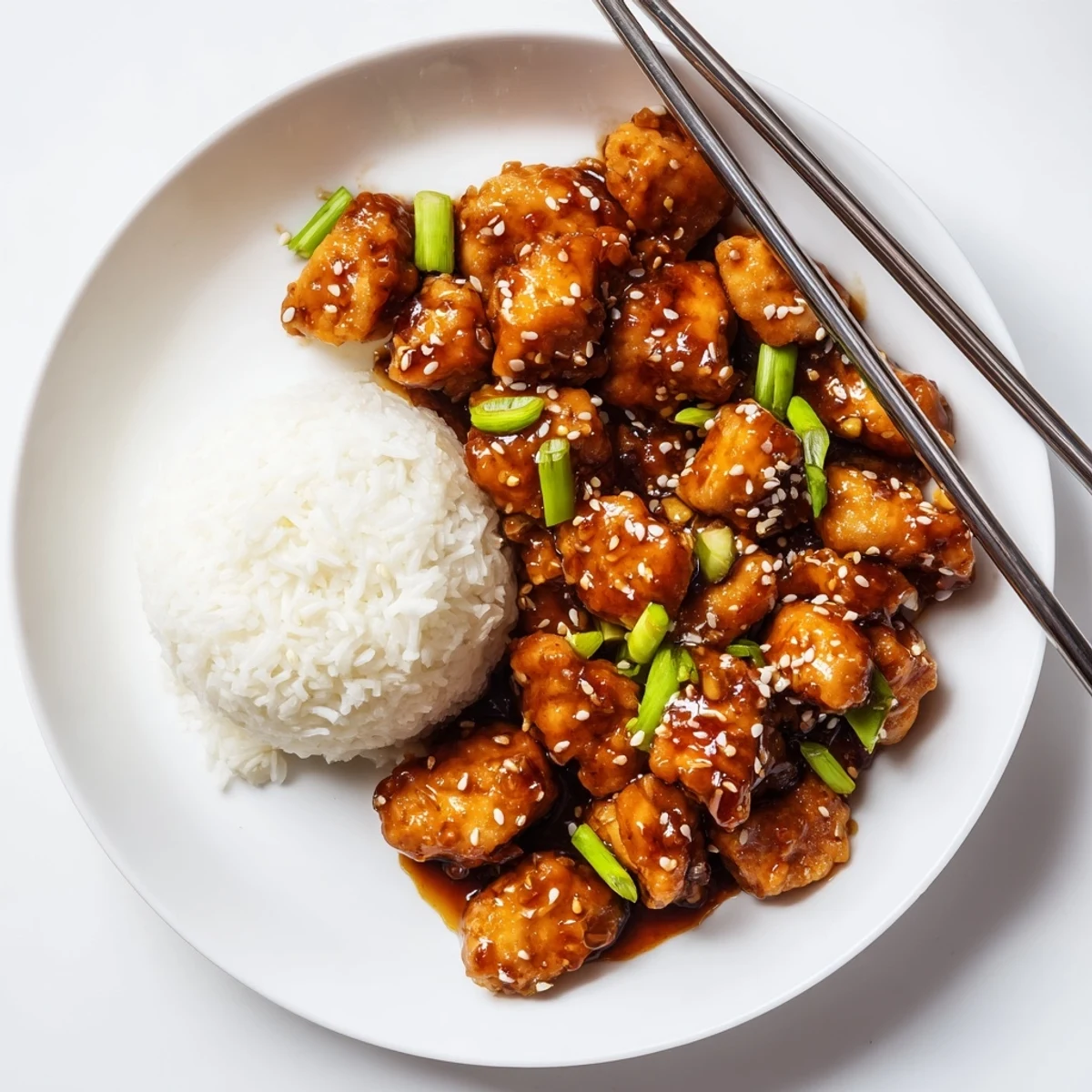
- Stir in the slurry and simmer until the sauce turns glossy and coats the back of a spoon
- Finish with scallions:
- Toss in scallion pieces and stir for just one minute so they stay bright and crisp
- Serve immediately:
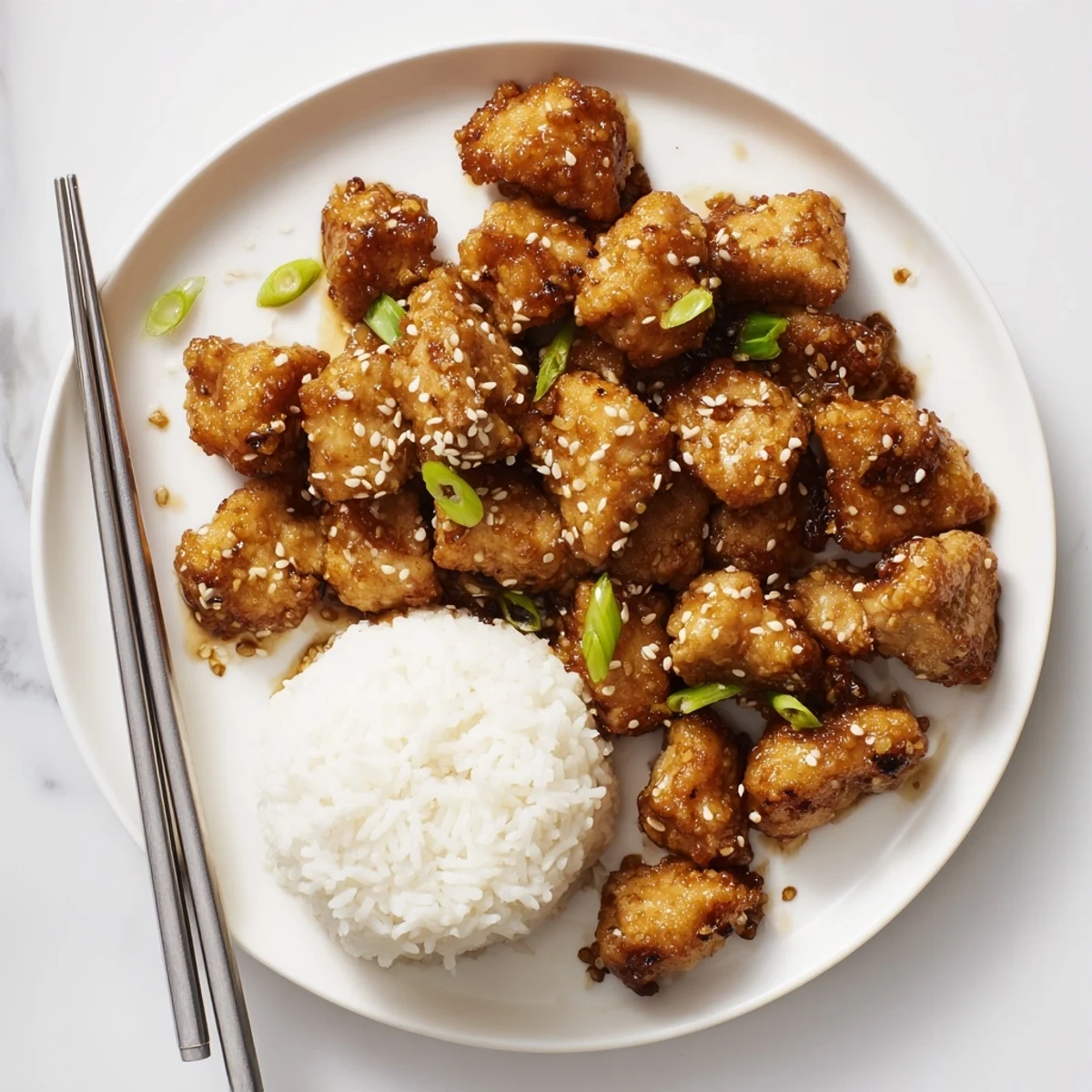
- Pile over steaming rice and sprinkle with sesame seeds while everything is still hot
 Save to Pinterest
 This recipe became my go-to for dinner guests after watching multiple friends literally scrape their plates clean. Something about that sticky, sweet-savory sauce makes people immediately comfortable and happy.
Getting The Perfect Texture
I've learned that patting the chicken completely dry before the cornstarch coating makes a noticeable difference in how well the sauce adheres. Even ten minutes of extra prep time yields restaurant-quality results.
Make It Your Own
Sometimes I'll toss in snap peas or bell peppers during the last two minutes of cooking for color and crunch. The vegetables pick up all that glorious sauce without becoming mushy.
Serving Suggestions
Jasmine rice is my personal favorite, but cauliflower rice works beautifully if you're watching carbs. The sauce is substantial enough to make any base feel satisfying.
- Cool down the heat with cucumber salad dressed in rice vinegar
- Keep extra napkins nearby because this is genuinely finger-licking good
- Double the sauce recipe if you love extra sauce over your rice
 Save to Pinterest
 There's something deeply satisfying about recreating takeout favorites in your own kitchen. This recipe proves you don't need a restaurant setup to achieve that crave-worthy glossy finish.
Recipe FAQs
- → What makes Mongolian chicken different from other stir-fries?
-
Mongolian chicken stands out for its sweet and savory flavor profile. The sauce combines soy sauce with brown sugar, creating a caramel-like glaze that coats the chicken. Unlike kung pao or general tso's, there's no deep frying—the chicken is simply seared in a skillet before being simmered in the sauce until thick and glossy.
- → Can I use chicken breasts instead of thighs?
-
Yes, chicken breasts work well in this dish. Thighs offer more moisture and flavor, but breasts stay tender when cooked quickly over high heat and finished in the sauce. Just be careful not to overcook them, and consider cutting slightly larger pieces since breasts cook faster than thighs.
- → How do I get the sauce to thicken properly?
-
The key is the cornstarch slurry—mix 1 teaspoon cornstarch with 2 teaspoons water until smooth before adding it to the simmering sauce. Stir constantly for 2-3 minutes as it bubbles, and you'll see the sauce transform from thin to a rich coating consistency. If it's too thick, add a splash of water; if too thin, simmer longer.
- → Is this dish spicy?
-
Traditional Mongolian chicken is mild with just a hint of warmth from aromatics. The dried red chilies listed in ingredients are optional—they add subtle heat but won't make the dish noticeably spicy. For more spice, add fresh chili peppers or red pepper flakes to the sauce.
- → What vegetables can I add to Mongolian chicken?
-
While the classic version is primarily chicken and scallions, you can easily add vegetables. Broccoli florets, bell pepper strips, snap peas, or sliced carrots work beautifully. Add them during the final minutes of simmering so they cook through but stay crisp-tender.