
 Save to Pinterest
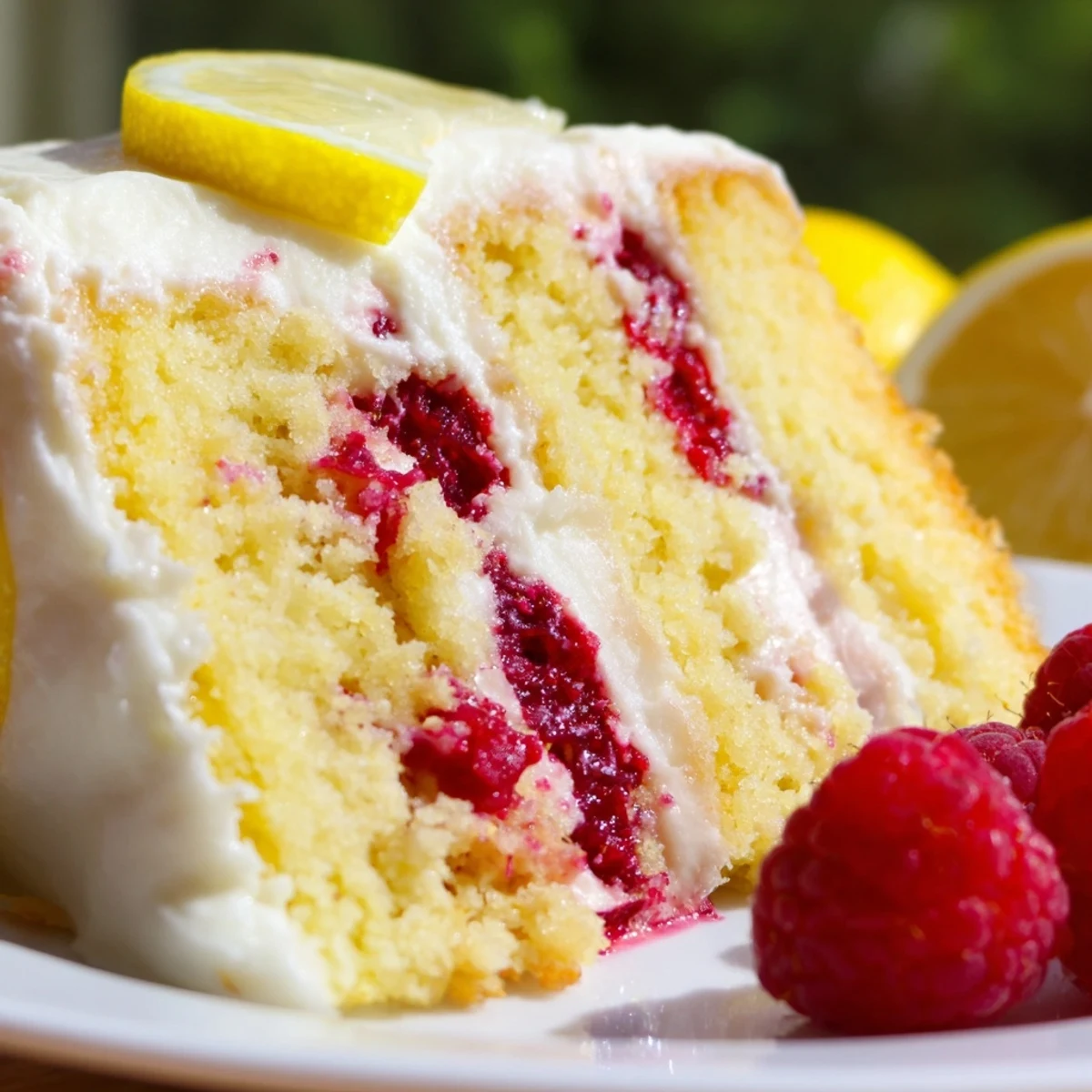
 This bright and zesty dessert features tender lemon sponge layers filled with tart raspberry preserves, complemented by rich lemon cream cheese frosting. The cake balances citrus freshness with berry sweetness, making it ideal for celebrations or an afternoon treat. Preparing involves baking moist lemon sponge layers, spreading raspberry filling with fresh berries, and finishing with a smooth lemon frosting. Optional garnishes include fresh raspberries, lemon slices, and edible flowers for an elegant presentation.
There's something about the smell of lemon zest hitting hot butter that makes you believe you're about to create something special. I discovered this cake during a spring when everything felt new again, and I needed to bake something that tasted like sunshine in a pan. The first time I layered those tender crumbs with bright raspberry preserves and silky frosting, I understood why people talk about cakes the way they do—this one actually delivers.
I made this for my neighbor's book club last June, and what started as bringing dessert turned into me standing in her kitchen explaining why the frosting needed to chill slightly before spreading. Someone asked if I'd trained as a pastry chef, which felt ridiculous and wonderful at the same time. That cake was demolished in twenty minutes flat, and I've made it constantly since.
Ingredients
- All-purpose flour (2 ½ cups): The foundation of tender crumb; sift it if your flour has been sitting around, as compressed flour will throw off your ratios and tighten the cake.
- Baking powder and baking soda (2 ½ tsp and ½ tsp): This combination gives you rise without making the cake taste metallic or bitter the way too much baking soda can.
- Salt (½ tsp): A small amount that amplifies both the lemon and raspberry without making anything taste salty.
- Unsalted butter (1 cup softened): Room temperature is non-negotiable here; cold butter won't cream properly, and you'll end up with a dense cake instead of a fluffy one.
- Granulated sugar (2 cups): Creaming this with butter for a full three minutes is where the structure of your cake is born; rushing it makes a difference you'll taste.
- Eggs (4 large, room temperature): Cold eggs won't incorporate smoothly, and you'll get lumps and an uneven crumb; pull them out of the fridge while your oven preheats.
- Lemon zest (1 tbsp finely grated): Use a microplane and zest only the yellow part; the white pith underneath is bitter and will change the whole flavor profile.
- Fresh lemon juice (⅓ cup): Bottled juice will work in a pinch, but fresh juice has brightness that jarred simply doesn't capture, and you can taste the difference.
- Whole milk (1 ¼ cups, room temperature): The warmth matters because cold milk will shock the batter and create tiny pockets of unmixed flour; this is worth the two minutes of waiting.
- Vanilla extract (1 tsp): A small anchor that keeps the citrus from feeling one-dimensional.
- Raspberry preserves (¾ cup): Seedless jam spreads smoother, but seeded has more flavor if you don't mind the texture; taste a spoonful to decide.
- Fresh raspberries (1 cup for filling, plus garnish): These are fragile and precious; scatter them between layers for bursts of fresh fruit that contrast with the rich frosting.
- Cream cheese (8 oz, softened): Let it sit on the counter for at least thirty minutes; cold cream cheese is impossible to beat smooth and will create lumps in your frosting.
- Powdered sugar (3 cups, sifted): Sifting removes the tiny lumps that would make your frosting grainy; don't skip this step.
- Lemon zest and juice for frosting: These quantities are smaller because the frosting already contains other flavors; adding too much will overpower the subtle sweetness.
Instructions
- Prepare your pans with care:
- Preheat the oven to 350°F and grease those three 8-inch pans thoroughly, then line the bottoms with parchment paper cut to fit. This two-step approach means your cakes will turn out cleanly without sticking, a small effort that saves frustration.
- Mix your dry ingredients:
- Whisk the flour, baking powder, baking soda, and salt together in a medium bowl, making sure everything is evenly distributed. This pre-mixing prevents pockets of baking soda in your batter that would taste harsh and unpleasant.
- Cream the butter and sugar:
- Beat them together for a full three minutes until the mixture looks pale and fluffy, almost like frosting itself. You're incorporating tiny air bubbles that will create lift and make your cake tender; this is where the magic begins.
- Incorporate eggs one at a time:
- Add each egg separately and beat until fully combined before adding the next, which takes maybe thirty seconds per egg. Rushing this step means you'll have streaks of unincorporated egg white in your batter, which affects texture.
- Add zest, vanilla, and then alternate wet and dry:
- Stir in the lemon zest and vanilla, then add about a third of the flour mixture, then half the milk, then another third of flour, then the rest of the milk, and finally the remaining flour. Start and end with dry ingredients; this is the path to a smooth, lump-free batter.
- Finish with fresh lemon juice:
- Stir in the fresh lemon juice last, which seems backward but keeps the acid from reacting too early with your leavening agents. You'll see the batter brighten slightly.
- Divide and bake:
- Pour the batter evenly among your three pans, smooth the tops, and bake for 25 to 30 minutes until a toothpick inserted in the center comes out clean. The cakes will smell like a lemon grove in summer, and your kitchen will feel like a celebration.
- Cool properly:
- Leave the cakes in their pans for ten minutes, then turn them out onto wire racks to cool completely, which usually takes an hour. Cooling them in the pans keeps them from setting too quickly and developing cracks.
- Make the frosting:
- Beat softened cream cheese and butter until smooth and creamy, about two minutes, then gradually add the sifted powdered sugar, lemon zest, juice, vanilla, and salt. Beat until fluffy and spreadable, not thin; this should take another minute or two of mixing.
- Assemble with intention:
- Place your first cake layer on a plate, spread a thin layer of frosting, scatter half the raspberry preserves and some fresh raspberries, then repeat with the second layer. Top with the final layer and frost the entire cake, creating crumbs as you go, which is completely fine and adds to the homemade charm.
- Chill before slicing:
- Refrigerate the finished cake for at least thirty minutes, which allows the layers to set and makes slicing clean instead of devastating. A chilled cake also tastes richer and feels more elegant when plated.
 Save to Pinterest
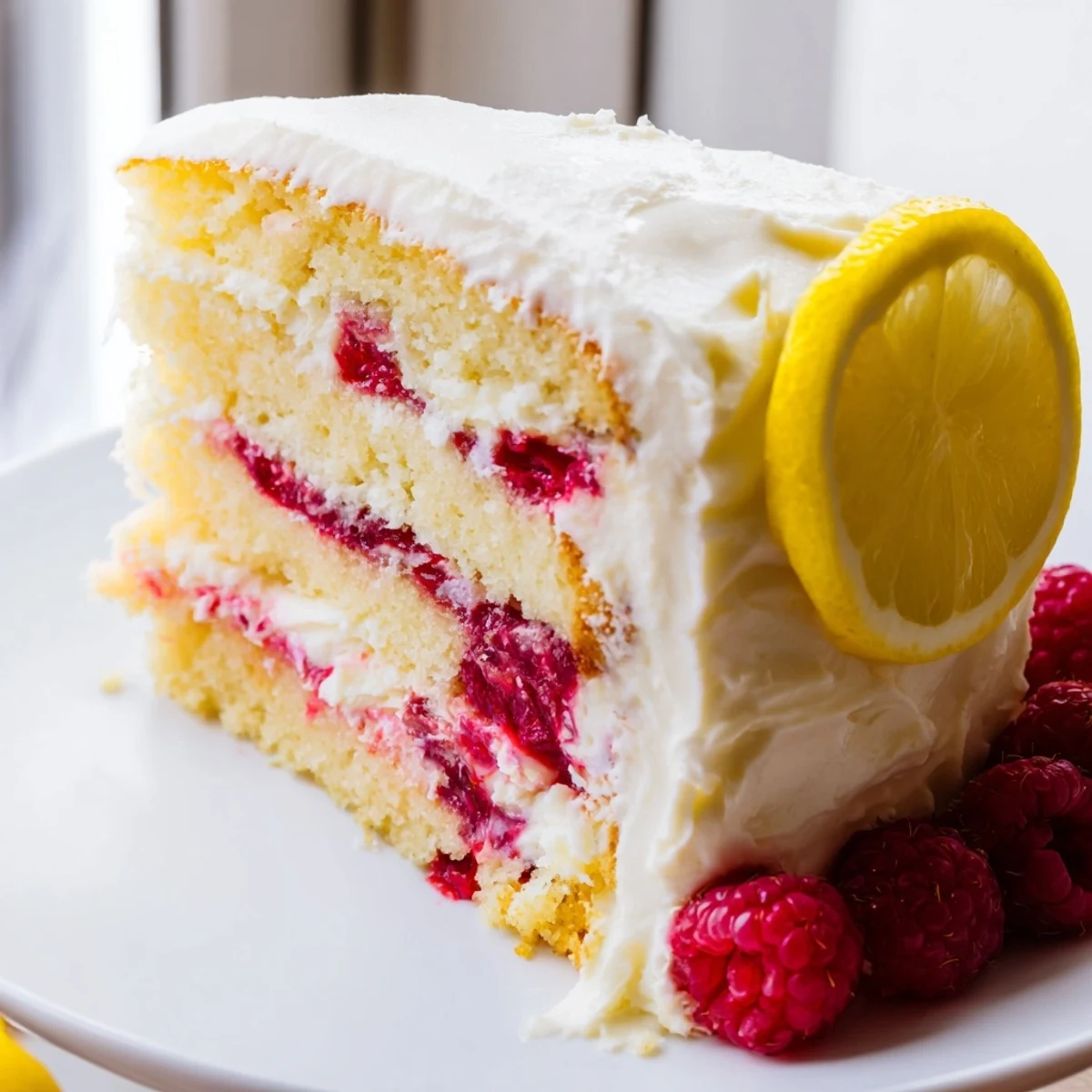
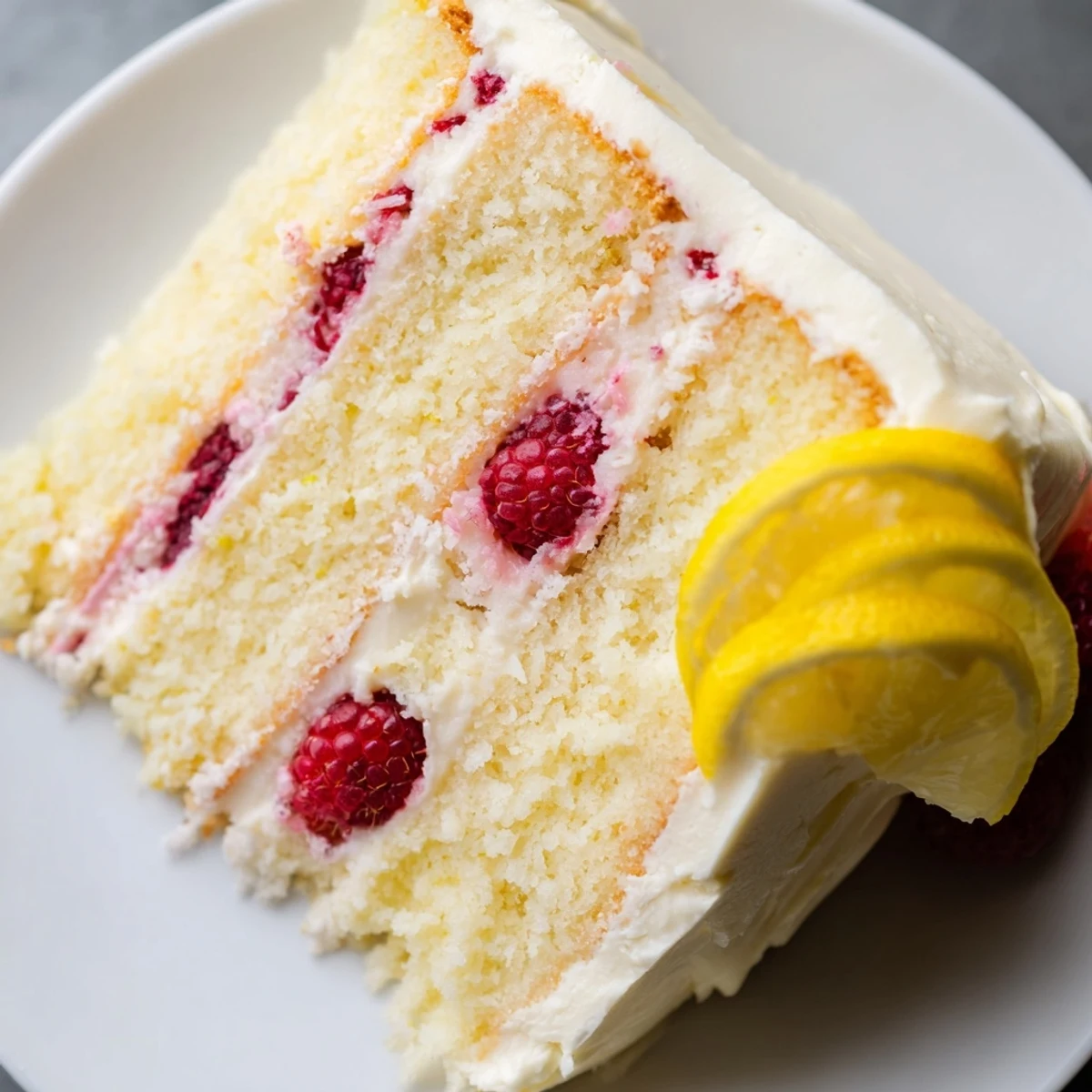
 The moment when I sliced into that cake at my neighbor's kitchen and saw those three perfect layers with the raspberry preserves peeking through—I realized this is why people bake. It's not actually about the cake, though the cake is delicious; it's about creating something beautiful enough that other people remember it.
The Science of Tender Cake
A tender cake comes from creaming butter and sugar properly, which incorporates air; from not overmixing, which would develop gluten; and from the gentle moisture of milk that keeps things soft. I learned this through a few dense cakes made in a rush, and now I understand that the extra five minutes of attention transforms the entire result. Every step in this recipe is designed to give you softness and elegance on the plate.
Making It Your Own
While this cake is beautiful as written, the framework invites gentle customization depending on what you have or what you love. Some people add a ½ teaspoon of lemon extract to the batter for intensity, or they swap the raspberry preserves for strawberry if that's their preference. The frosting can lean even more into tartness with an extra tablespoon of lemon juice if you like your dessert less sweet.
Serving and Storage Wisdom
This cake tastes freshest the day you make it, but it actually improves slightly by the next day as the flavors meld and the layers become more cohesive. It pairs beautifully with a cup of Earl Grey tea, sparkling lemonade, or a glass of something crisp and white, and honestly it needs nothing but a fork and a quiet moment. Store it covered in the refrigerator for up to four days, and if you want to freeze it, wrap the unfrosted layers tightly and they'll keep for a month.
- Bring slices to room temperature for fifteen minutes before serving so you taste the full brightness of the lemon.
- If fresh raspberries for garnish aren't available, candied lemon peel adds elegance and complements the flavors perfectly.
- Make the frosting while the cakes cool so everything comes together smoothly without waiting around.
 Save to Pinterest
 This cake has become my answer to almost every celebration, and I love how it makes people smile. Make it for someone you want to impress, or make it quietly for yourself on an ordinary Tuesday when you need something bright.
Recipe FAQs
- → How do I achieve a bright lemon flavor in the layers?
-
Incorporate fresh lemon zest and juice into the batter, and consider adding lemon extract for a more intense citrus note.
- → What is the best way to prevent the layers from drying out?
-
Bake the layers until just done and cool them completely before assembling to maintain moisture and texture.
- → How should the raspberry filling be applied?
-
Spread a thin layer of raspberry preserves evenly, then scatter fresh raspberries to add texture and burst of flavor.
- → What is the ideal consistency for the lemon cream cheese frosting?
-
Beat cream cheese and butter until smooth, then gradually add powdered sugar and lemon juice until fluffy but spreadable.
- → Can this layered cake be garnished for special occasions?
-
Yes, fresh raspberries, thin lemon slices, and edible flowers add a decorative and fresh touch to the finished cake.