 Save to Pinterest
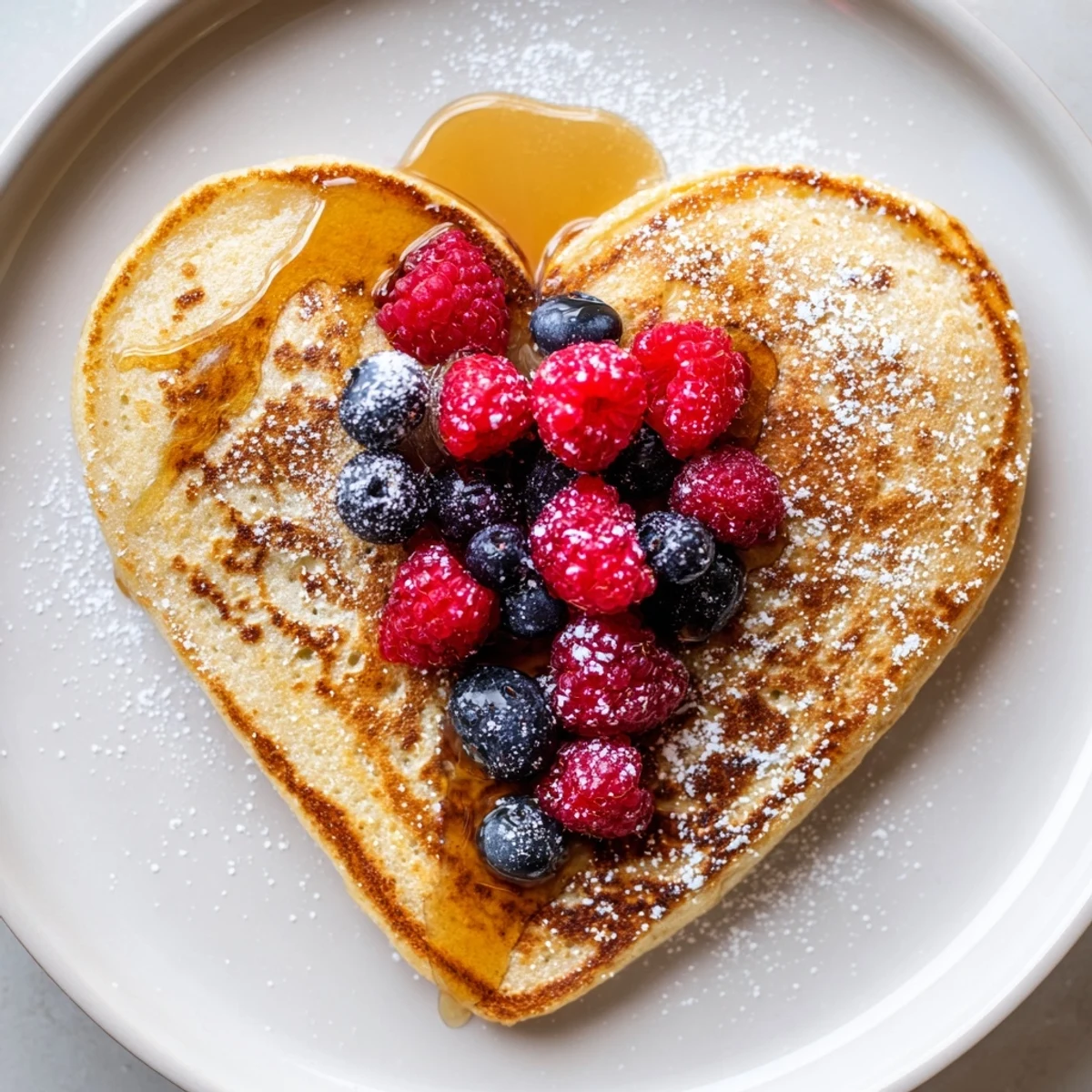
 These charming heart-shaped pancakes combine a classic fluffy pancake batter with creative presentation for a special breakfast moment. Mix your dry ingredients—flour, sugar, baking powder, and salt—then combine your wet ingredients of milk, eggs, melted butter, and vanilla. Gently fold together until just combined, keeping lumps minimal for fluffiness.
Cook using a heart-shaped cookie cutter or squeeze bottle to form shapes on your greased skillet over medium heat. Each pancake takes 2-3 minutes per side until golden and bubbling. Serve warm with maple syrup, fresh berries, whipped cream, or powdered sugar for an impressive presentation.
The first time I made heart-shaped pancakes was during a blizzard when my kids had been cooped up for days. The power flickered and the wind howled outside, but our kitchen became this warm bubble of giggles and batter splatters. I wasn't trying to be fancy—just desperate to lift spirits—but watching their faces light up made me feel like I'd created magic instead of breakfast.
Last February, my neighbor was going through a rough patch after her mom got sick, so I invited her over for breakfast without mentioning anything special. When I slid those golden heart pancakes onto her plate, she actually teared up a little, then laughed at herself for getting emotional over breakfast. We ended up talking for three hours, and now it's become our little tradition whenever one of us needs a pick-me-up.
Ingredients
- All-purpose flour: I used to overthink this until a pastry chef friend told me regular all-purpose flour actually creates the most tender pancakes—the protein level is just right for fluffy results without getting tough.
- Whole milk: The fat content here makes a real difference in texture—I tried with skim once during a pandemic pantry shortage and the pancakes were noticeably less luxurious.
- Unsalted butter: Melting it completely but then letting it cool slightly before adding prevents it from cooking the eggs on contact, something I learned after one memorable batch of scrambled egg pancakes.
- Vanilla extract: Just a teaspoon transforms ordinary pancakes into something that smells like a fancy bakery—I splash it in directly from the bottle rather than measuring because a little extra never hurt anyone.
Instructions
- Mix the dry team:
- Whisk your flour, sugar, baking powder, and salt in a bowl until they look evenly distributed. I do this with a fork rather than a whisk sometimes and can feel any stubborn lumps that need breaking up.
- Blend the wet squad:
- In another bowl, beat those eggs first until frothy, then add milk, cooled melted butter, and vanilla. The frothy eggs make for lighter pancakes—something my grandmother insisted on that actually works.
- Gentle marriage:
- Pour wet ingredients into dry and stir just until you don't see flour pockets anymore. The batter should look slightly lumpy, like cottage cheese—overmixing is the silent killer of tender pancakes.
- Heart creation station:
- On a medium-heat buttered skillet, either place a heart cookie cutter down and fill it halfway with batter, or use a squeeze bottle to draw heart outlines and fill them in. The squeeze bottle method gets easier with practice, I promise.
- Patience pays off:
- Wait for those little bubbles to form on top and edges to look set before removing any molds and flipping. About 2-3 minutes on the first side, and you'll know it's ready when the edges look slightly matte instead of shiny.
- Flip with confidence:
- Get your spatula completely under the pancake and flip with one decisive movement. Second side needs just 1-2 minutes—I peek underneath after a minute by lifting just the edge.
- Keep them coming:
- Repeat with remaining batter, adding a small pat of butter to the pan between batches. If making many, you can keep finished pancakes warm in a 200°F oven on a baking sheet.
- Dress them up:
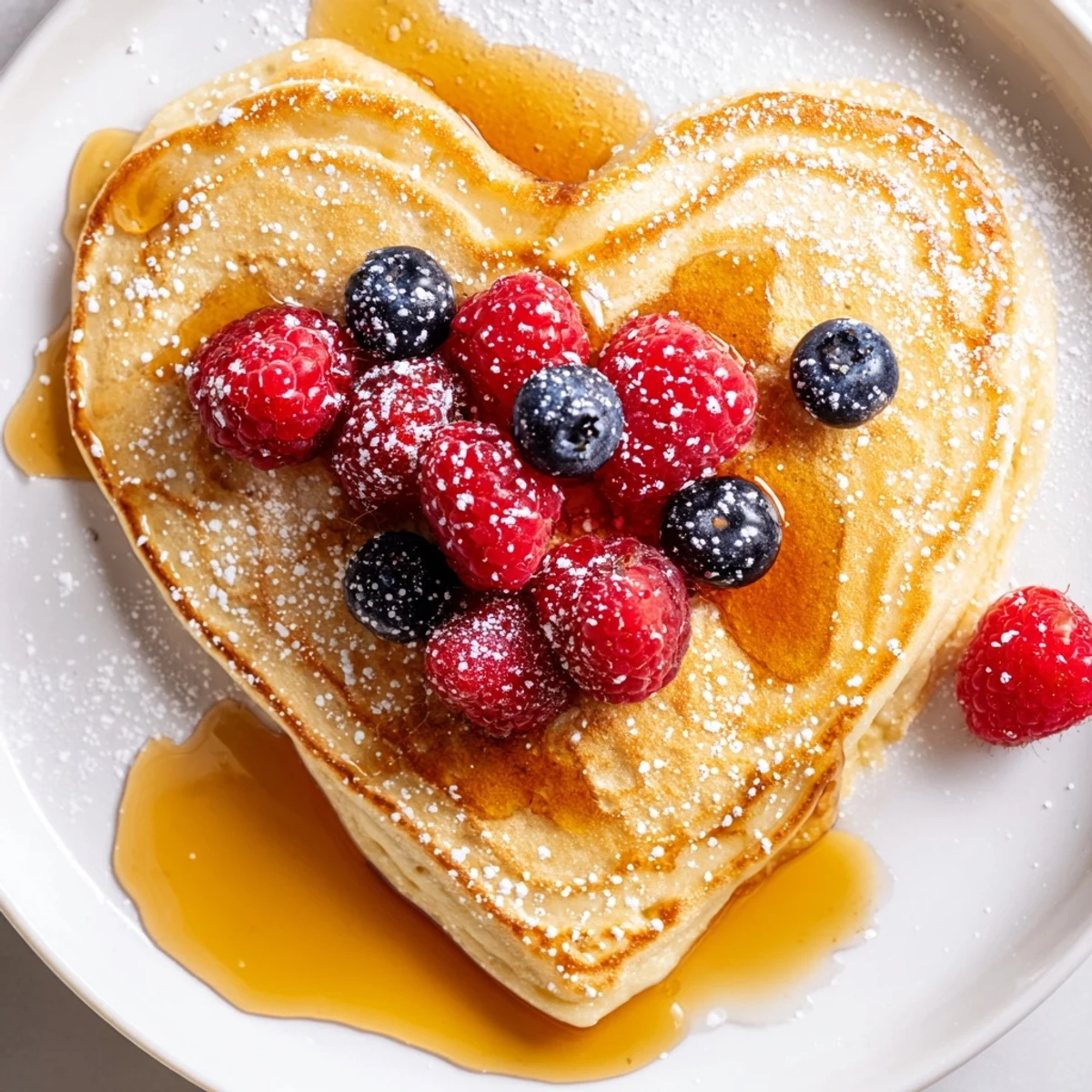
- Serve immediately with whatever makes you happy—maple syrup is classic, but fresh berries nestled in the curve of the heart look particularly charming. A light dusting of powdered sugar through a small sieve creates a professional-looking finish.
 Save to Pinterest
 One Saturday morning, I woke up early feeling anxious about a work presentation, and rather than stewing about it, I decided to make these pancakes. There was something meditative about carefully forming each heart, watching the batter bubble, and flipping them at just the right moment. By the time my family wandered into the kitchen, drawn by the vanilla-scented air, my shoulders had relaxed and the presentation felt small compared to the joy of sharing breakfast together.
Flavor Variations for Every Occasion
I went through a phase of adding different flavors to the base recipe depending on the season or what fruits were looking good at the market. Folding in a handful of blueberries or chocolate chips right before cooking creates pockets of melty goodness, while lemon zest and poppy seeds bring a bright spring feeling to weekend mornings. My kids judge my mood by which version shows up on their plates—apparently cinnamon means Im feeling nostalgic.
Storage and Make-Ahead Tips
After making these for countless sleepovers and family brunches, Ive learned that pancake batter can actually be refrigerated overnight in a covered container, though youll want to give it a gentle stir before using. Cooled pancakes freeze beautifully between sheets of parchment paper in a ziplock bag for up to a month, and can be popped directly into the toaster from frozen for a quick weekday breakfast that still feels special.
Troubleshooting Your Heart Pancakes
Over years of making these, Ive encountered every possible pancake problem. If your batter seems too thick, add milk one tablespoon at a time until it reaches a consistency that slowly drips from the spoon rather than plopping. If pancakes are cooking too quickly on the outside but staying raw inside, your heat is too high—dont be afraid to adjust the temperature between batches.
- For perfectly golden pancakes, wipe the pan clean and add fresh butter between batches—old butter solids can burn and create dark spots.
- Let the batter rest for 5 minutes after mixing to allow the gluten to relax and baking powder to activate, resulting in more tender, fluffier pancakes.
- Always check your baking powder by adding a pinch to hot water—if it bubbles vigorously, its still good, but if it barely reacts, replace it before pancake making.
 Save to Pinterest
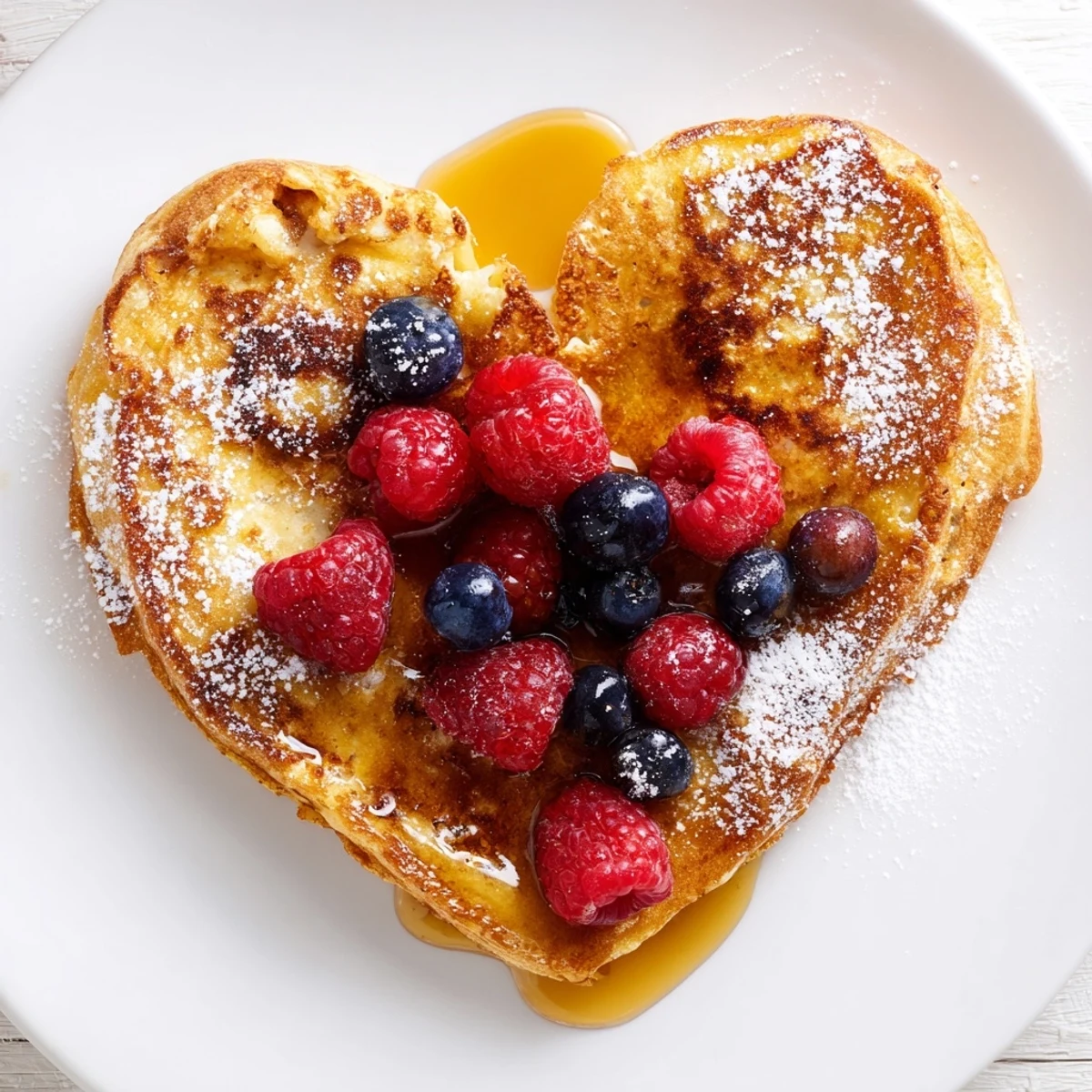
 These heart pancakes have become more than just breakfast in my home—theyre the signal that someone needs extra love, that were celebrating something special, or simply that today deserves a little more care than yesterday. In the end, the few extra minutes it takes to shape them feels like the smallest investment for the smiles they create.
Recipe FAQs
- → How do I get perfectly shaped hearts?
-
Use a heart-shaped cookie cutter placed on the skillet while pouring batter inside. Once bubbles form and edges set, carefully remove the cutter before flipping. Alternatively, use a squeeze bottle to outline and fill heart shapes directly on the griddle for freehand shaping.
- → Can I make the batter ahead of time?
-
Yes, you can prepare the batter 1-2 hours in advance and refrigerate it. However, pancakes are best cooked fresh. If the batter becomes too thick, add a splash of milk to reach the proper consistency before cooking.
- → What's the secret to fluffy pancakes?
-
Avoid overmixing the batter—lumps are actually your friend. Don't stir after combining wet and dry ingredients. Use fresh baking powder, cook on medium heat rather than high, and flip only once when bubbles appear on the surface.
- → Can I use gluten-free flour?
-
Absolutely. Substitute gluten-free all-purpose flour blend in equal amounts. You may need slightly less liquid since gluten-free flours absorb differently. Add a tablespoon of milk at a time if the batter seems too thick.
- → How do I prevent pancakes from sticking?
-
Use a non-stick skillet or griddle and lightly butter it before each batch. Medium heat is essential—too high causes burning on the outside while centers remain raw. Ensure your pan is properly preheated before adding batter.
- → What flavor variations can I try?
-
Add a pinch of cinnamon or nutmeg to the dry ingredients for warmth. Lemon zest or orange zest adds brightness. Vanilla extract can be increased for deeper vanilla flavor, or swap it for almond extract for a different profile.