
 Save to Pinterest
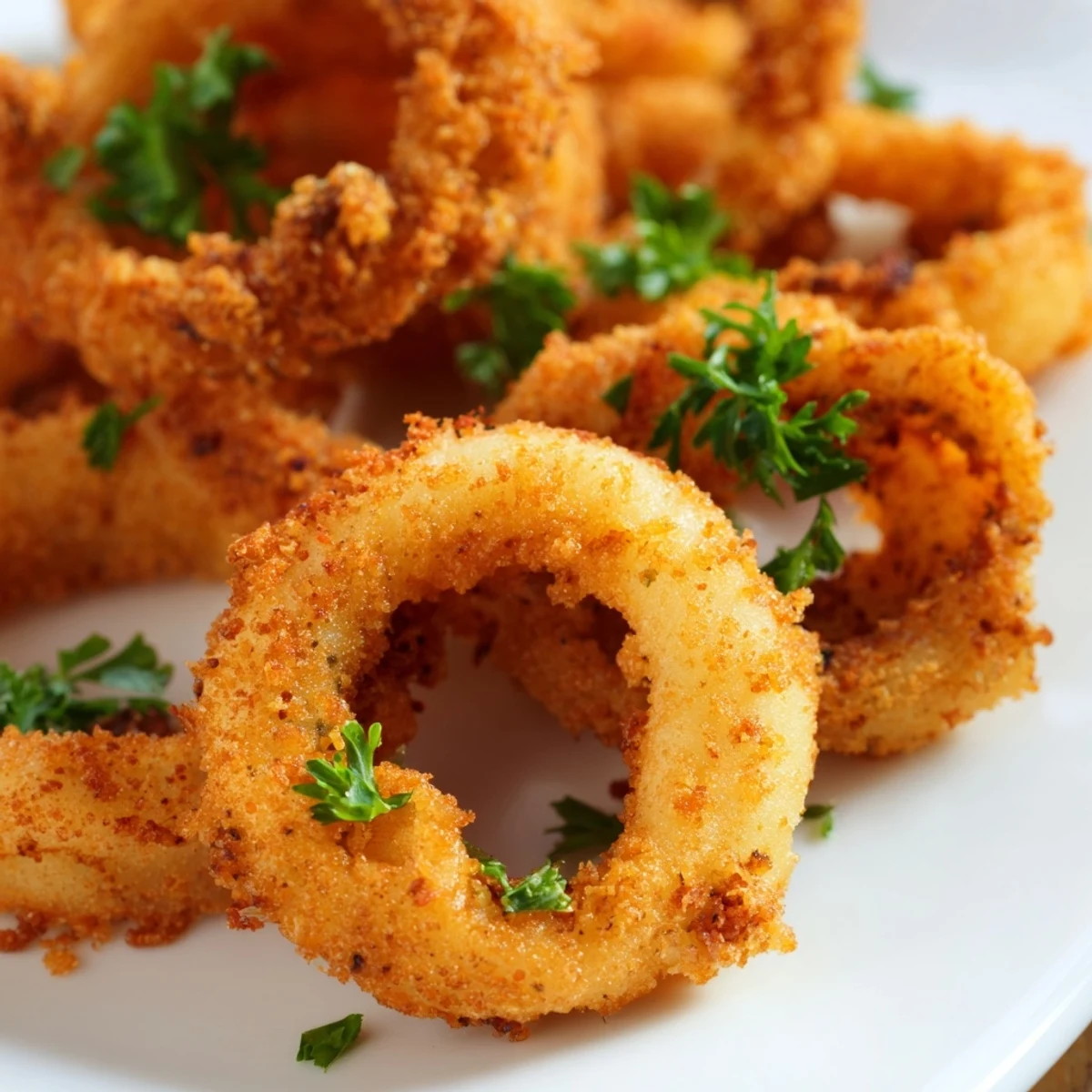
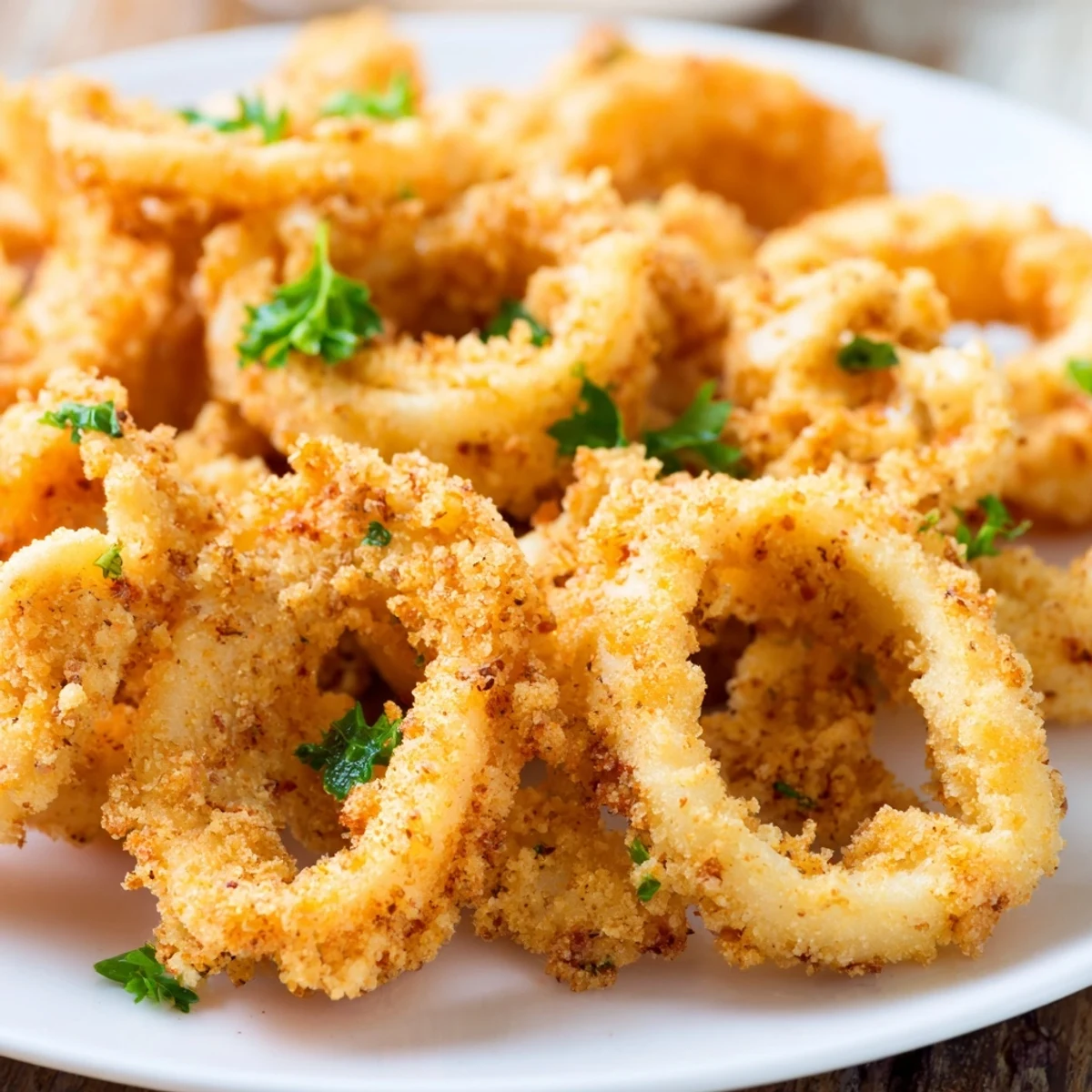
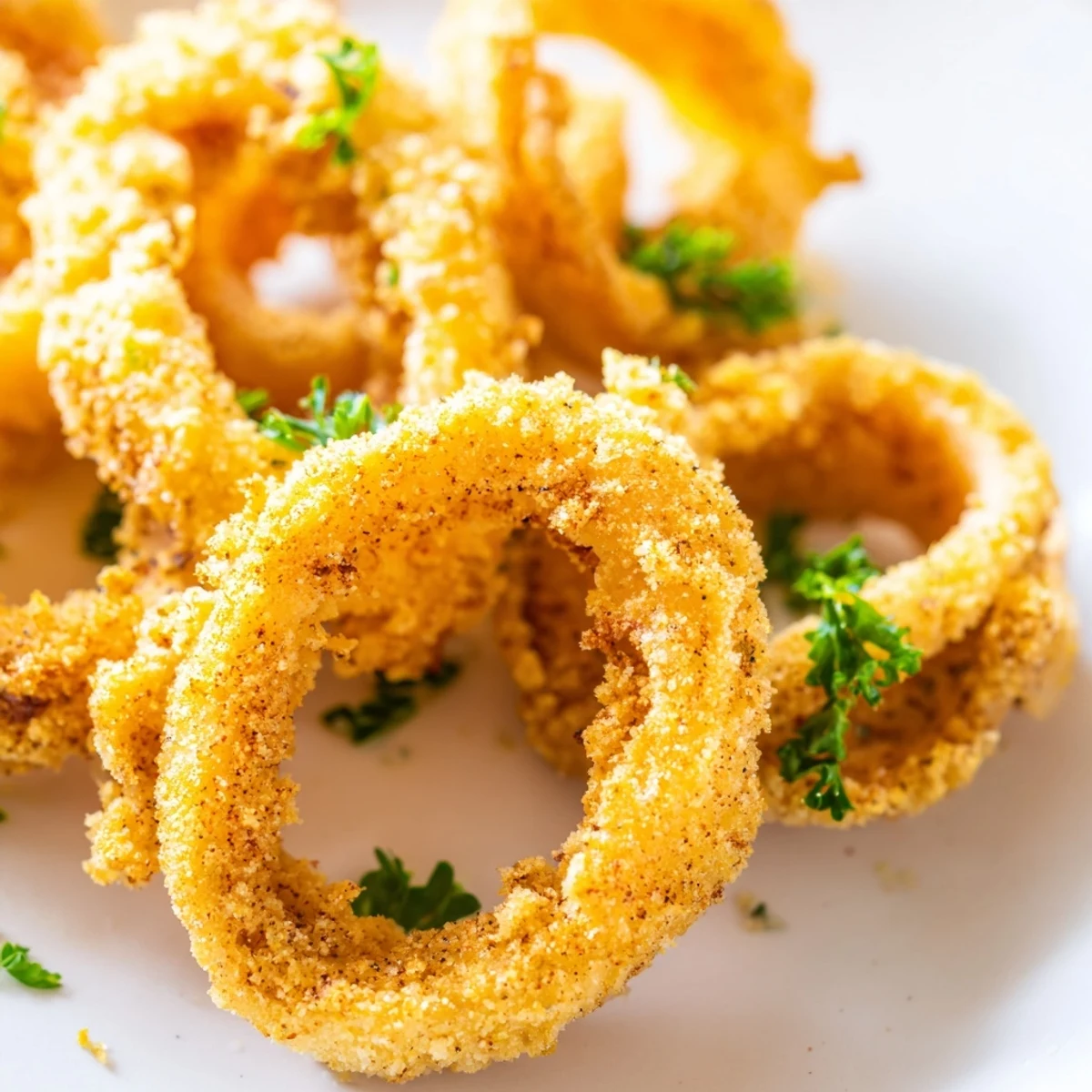
 Tender calamari rings soak in buttermilk, then coated in a seasoned flour and cornmeal blend for an extra crisp texture. Deep-fried until golden, these rings offer a perfect crunch. Served alongside a homemade marinara sauce, flavored with garlic, oregano, and basil, it creates a bright, tangy complement. Garnished with fresh lemon and parsley, this dish balances crispy texture with zesty sauce for a satisfying appetizer or snack.
My neighbor Marco brought over a batch of calamari one summer evening that changed everything—I'd always been nervous about cooking it at home, convinced it would turn rubbery and tough. But watching him dip those rings in buttermilk and hearing the satisfying crackle as they hit the hot oil, I realized the secret wasn't in complicated technique but in respecting the ingredient and getting the temperature right. That night, I made my own version with a marinara sauce I'd been refining for years, and suddenly crispy calamari became my go-to appetizer whenever friends gathered.
I remember the first time I made this for my sister's book club—she'd asked me to bring something 'fancy but not fussy,' and these calamari fit perfectly. Everyone devoured them before the appetizer course technically ended, oil glistening on their fingers, reaching back for just one more ring while debating the book. That's when I knew this recipe had staying power: it tastes restaurant-quality but feels homemade and genuine.
Ingredients
- Fresh calamari, cleaned and sliced into rings (500 g): Freshness matters enormously here—ask your fishmonger if it was cleaned that day, and don't hesitate to give it a good sniff before buying.
- Buttermilk (120 ml): This isn't just a binder; it tenderizes the calamari and adds a subtle tang that balances the richness of frying.
- All-purpose flour (100 g): Provides structure for the crust; measure it by weight for consistency across batches.
- Fine cornmeal (50 g): The secret weapon for extra crispness—it stays crispy longer than flour alone.
- Paprika, garlic powder, and cayenne pepper: These spices toast slightly in the hot oil, deepening their flavor rather than staying one-dimensional.
- Canned crushed tomatoes (400 g): Quality matters here since it's the sauce's foundation; San Marzano tomatoes have a natural sweetness that works beautifully.
- Fresh garlic and dried oregano and basil: The aromatics that make marinara feel like it's been simmering for hours, even though it takes just 10 minutes.
- Vegetable oil for frying: Use an oil with a high smoke point like refined vegetable or peanut oil; avoid olive oil for this step.
- Lemon and fresh parsley for finishing: These aren't garnishes—they're essential bright notes that cut through the richness.
Instructions
- Dry and soak the calamari:
- Pat those rings completely dry with paper towels—this step prevents splattering and helps the buttermilk coat evenly. Submerge them in buttermilk, season generously, and let them sit for exactly 10 minutes while you gather everything else; the calamari will firm up slightly and absorb the buttermilk's tenderizing properties.
- Build the marinara sauce:
- Warm olive oil in a small saucepan and listen for the garlic to perfume the kitchen—stop before it browns, which takes just 30 seconds. Pour in the tomatoes, sprinkle in the herbs and sugar, and let it bubble gently for 10 to 15 minutes, stirring occasionally as the sauce deepens in color and flavor.
- Mix the breading blend:
- Combine flour, cornmeal, and spices in a shallow bowl, breaking up any clumps of garlic or paprika so the coating is uniform. This mixture is forgiving—you can prepare it even before the calamari comes out of the buttermilk.
- Coat each ring carefully:
- Lift the calamari from buttermilk one handful at a time, letting excess liquid drip back into the bowl. Roll them in the breading mixture, coating all sides generously, then shake each piece gently to remove any thick patches of flour that might burn.
- Fry in hot oil:
- Heat your oil to 180°C (350°F)—use a thermometer if you have one; it makes an enormous difference. Working in small batches so the temperature stays steady, fry the rings for 1 to 2 minutes until they're golden and making tiny popping sounds, then lift them out with a slotted spoon onto paper towels.
- Plate and serve immediately:
- Arrange the calamari on a platter while still warm, scatter lemon wedges and parsley around them, and serve the marinara sauce in a warm bowl alongside. Don't let them sit; part of the joy is eating them at their crispest, while steam is still rising off them.
 Save to Pinterest
 There was an evening when my teenage nephew watched me fry these, absolutely mesmerized by the sizzle and transformation, and asked if he could help plate them. His careful arrangement of the lemon wedges and parsley made the platter look restaurant-worthy, and he took such pride in serving them to the table. Food shared with genuine care tastes different, somehow.
The Story Behind Crispy Calamari
Calamari fritto has a long history in Mediterranean coastal towns, where fishermen would bring in fresh catches each morning and market vendors would turn tender rings into golden appetizers by noon. The technique spread northward through Italy and eventually to Italian-American restaurants, where crispy calamari became a beloved starter. What makes this version personal is the buttermilk soak—a nod to Southern fried chicken traditions that somehow found its way into my kitchen and stuck because it works so well.
Why Buttermilk Changes Everything
Most recipes call for just dredging calamari in seasoned flour, which gives a thin, fragile crust. Buttermilk creates a thicker coating and tenderizes the meat through the lactic acid, so each ring stays tender rather than becoming chewy. The buttermilk also helps spices adhere better and introduces a subtle richness that complements the bright marinara sauce beautifully.
Making This Appetizer Your Own
This recipe is flexible enough to adapt to what you have on hand or what your guests prefer. The breading can handle extra spices—smoked paprika, Italian seasoning, or even a pinch of lemon zest—without losing its essential crispiness. The marinara sauce stays traditional because it's the perfect counterpoint, but you could offer a garlic aioli or spicy mayo on the side if someone prefers.
- For extra heat, increase the cayenne pepper or add a fresh red chili flake to the breading.
- If you can't find fresh calamari, high-quality frozen rings work just as well; thaw them completely and pat them very dry.
- Serve these while they're still hot enough that you don't need to worry about the oil cooling—timing is everything with fried appetizers.
 Save to Pinterest
 This recipe has become my answer to the question 'What should I bring?' because it's always welcomed, never disappoints, and tastes like someone who actually knows what they're doing made it. There's something satisfying about taking a simple ingredient and transforming it into something so memorable.
Recipe FAQs
- → How do I achieve a crispy coating on the calamari?
-
Soak the calamari in buttermilk to tenderize, then coat thoroughly with a mixture of flour and cornmeal. Fry at 180°C (350°F) until golden for maximum crispiness.
- → Can I prepare the marinara sauce ahead of time?
-
Yes, the marinara sauce can be made in advance and gently reheated. Allow flavors to deepen by simmering it for 10-15 minutes before serving.
- → What type of oil is best for frying calamari?
-
Use a high smoke point oil like vegetable oil or canola oil to fry calamari. Maintain temperature around 180°C (350°F) for even cooking and crispiness.
- → Can I use other seafood besides calamari?
-
Shrimp can be a great substitute, coated and fried using the same method for a similar crunchy and flavorful dish.
- → How should I serve the calamari for best presentation?
-
Arrange fried calamari on a platter, garnish with lemon wedges and chopped fresh parsley. Serve immediately alongside warm marinara sauce for dipping.