
 Save to Pinterest
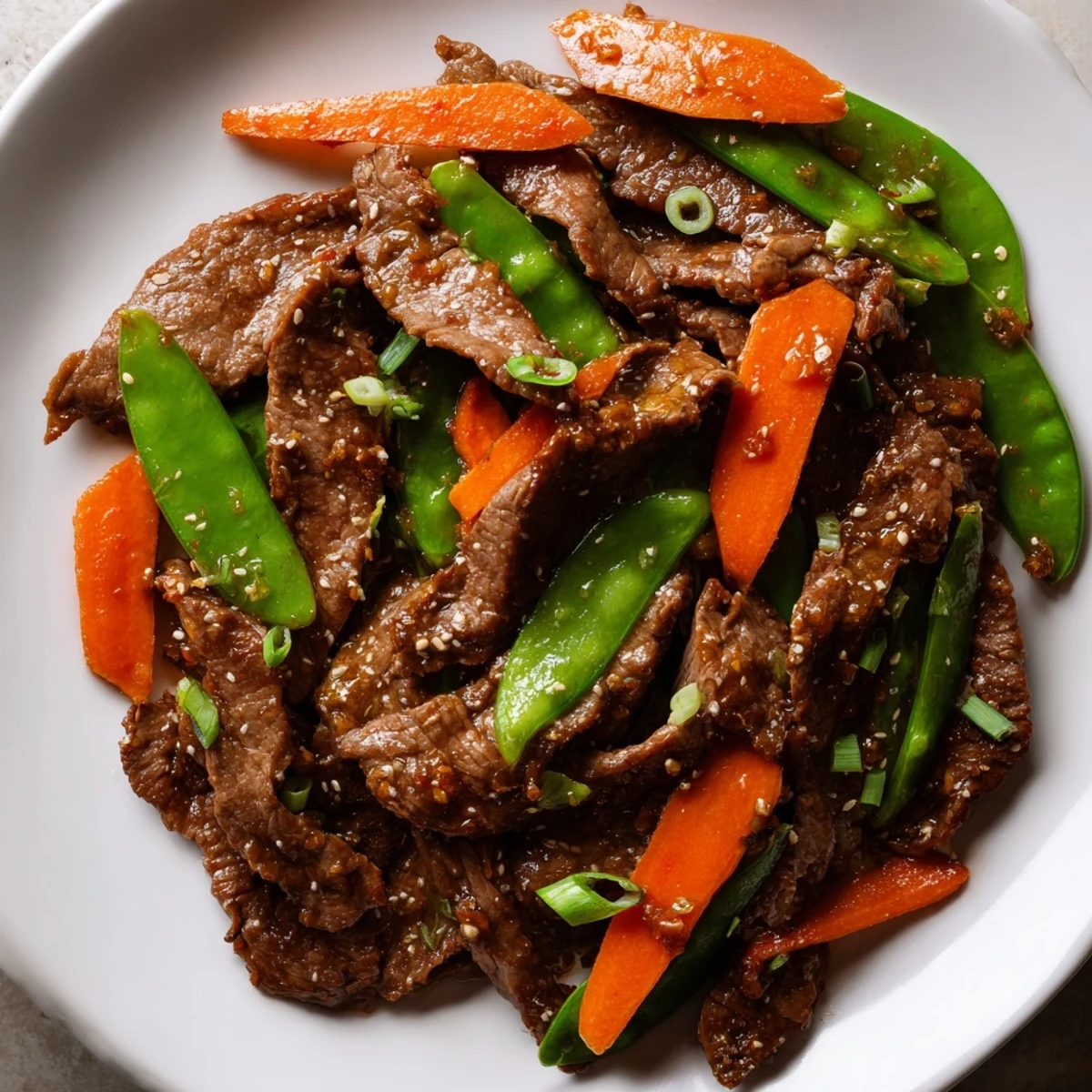
 This dish highlights tender beef strips stir fried quickly with crisp snow peas and thinly sliced carrots. Combined with a balance of savory soy, oyster, and hoisin sauces, plus fresh garlic and ginger, it delivers vibrant flavor in under 30 minutes. The method locks in freshness while coating all ingredients with a luscious sauce. Ideal for a fast, satisfying main dish served over steamed rice or noodles, it can be customized with protein swaps and spice additions.
There's something almost meditative about the sharp sizzle when beef hits a screaming-hot wok. I discovered that sound years ago when a friend's mom taught me to make this stir fry in her tiny kitchen, and now I chase it every time. The way the heat locks in those savory, caramelized edges while keeping the inside impossibly tender hooked me immediately. It's become my go-to when I need something that feels impressive but actually takes less time than deciding what to watch.
I made this for my roommate after she had the kind of day where everything went wrong, and watching her face light up over a bowl of rice piled high with glossy beef and vegetables reminded me why home cooking matters. She asked for the recipe immediately, and now it's her recovery meal too.
Ingredients
- Flank steak or sirloin, thinly sliced against the grain (450 g): Slicing against the grain breaks down the muscle fibers and makes every bite melt instead of chew. I learned the hard way that with the grain means chewy beef, and against it means magic.
- Soy sauce (4 tbsp total): This is your salt and umami foundation. I use a good quality one because the difference between cheap and decent soy sauce is honestly more noticeable here than anywhere else.
- Cornstarch (3 tsp total): A thin coating on the beef helps it brown faster and seals in moisture. The starch in the sauce thickens it to glossy perfection without making it gluey.
- Sesame oil (1 tsp): Just a teaspoon adds a toasted, nutty depth that makes people ask what your secret ingredient is.
- Snow peas (200 g): They should snap when you bite them, which is why they go in near the end. Overcooked snow peas are sad.
- Carrots (2 medium, sliced on the bias): The diagonal cut exposes more surface area to heat, cooking faster and looking intentional rather than rushed.
- Oyster sauce and hoisin sauce (1 tbsp each): Oyster sauce brings a subtle sweetness and depth, while hoisin adds a savory richness. Together they're the reason this tastes like a restaurant.
- Rice vinegar (1 tbsp): A touch of acid brightens everything and keeps the sauce from being one-note sweet.
- Brown sugar (1 tbsp): It balances the saltiness and adds a slight caramel note that ties the whole sauce together.
- Fresh garlic and ginger: Mince them just before cooking so you get that fresh, volatile bite rather than something tired that's been sitting around.
- Vegetable oil (2 tbsp): Neutral oil with a high smoke point keeps your beef from stewing in its own steam.
- Spring onions (optional): A fresh sprinkle at the end adds a sharp onion bite that cuts through the richness.
Instructions
- Marinate your beef while you prep everything else:
- Combine the sliced beef with soy sauce, cornstarch, and sesame oil in a bowl and let it sit. This ten minutes isn't wasted time; it's when the starch coats each piece so it browns properly instead of steaming.
- Mix your sauce in advance so you're not scrambling:
- Whisk together soy sauce, oyster sauce, hoisin, rice vinegar, brown sugar, minced garlic, ginger, cornstarch, and water. Taste it cold and it might seem a bit strong, but it mellows and balances once it hits the hot wok.
- Get your wok screaming hot before the beef touches it:
- Heat oil over high heat until you see wisps of smoke. If it's not hot enough, the beef will release moisture and stew instead of sear, and you'll lose that caramelized crust everyone loves.
- Sear the beef in a single layer without crowding:
- Give it two to three minutes undisturbed so it develops that beautiful brown edge. Once it's done, pull it out immediately so it doesn't overcook while you finish the vegetables.
- Cook carrots first because they need the most time:
- A couple of minutes in the hot oil softens them just enough while keeping them still crisp. They should bend slightly when you poke them but not be limp.
- Add snow peas and give them a quick toss:
- Two minutes is usually perfect, just enough for them to brighten slightly without losing that snap. If you let them sit, they turn from bright green to army green and lose their personality.
- Return the beef and pour in the sauce to finish:
- Stir everything together constantly for a minute or two until the sauce thickens and clings to the meat and vegetables. You want a glossy, light coating, not a soup.
- Finish with spring onions and serve immediately:
- The fresh onion brightness is your final note, and it matters. Serve over jasmine rice or noodles while everything is still hot and the vegetables are at their best.
 Save to Pinterest
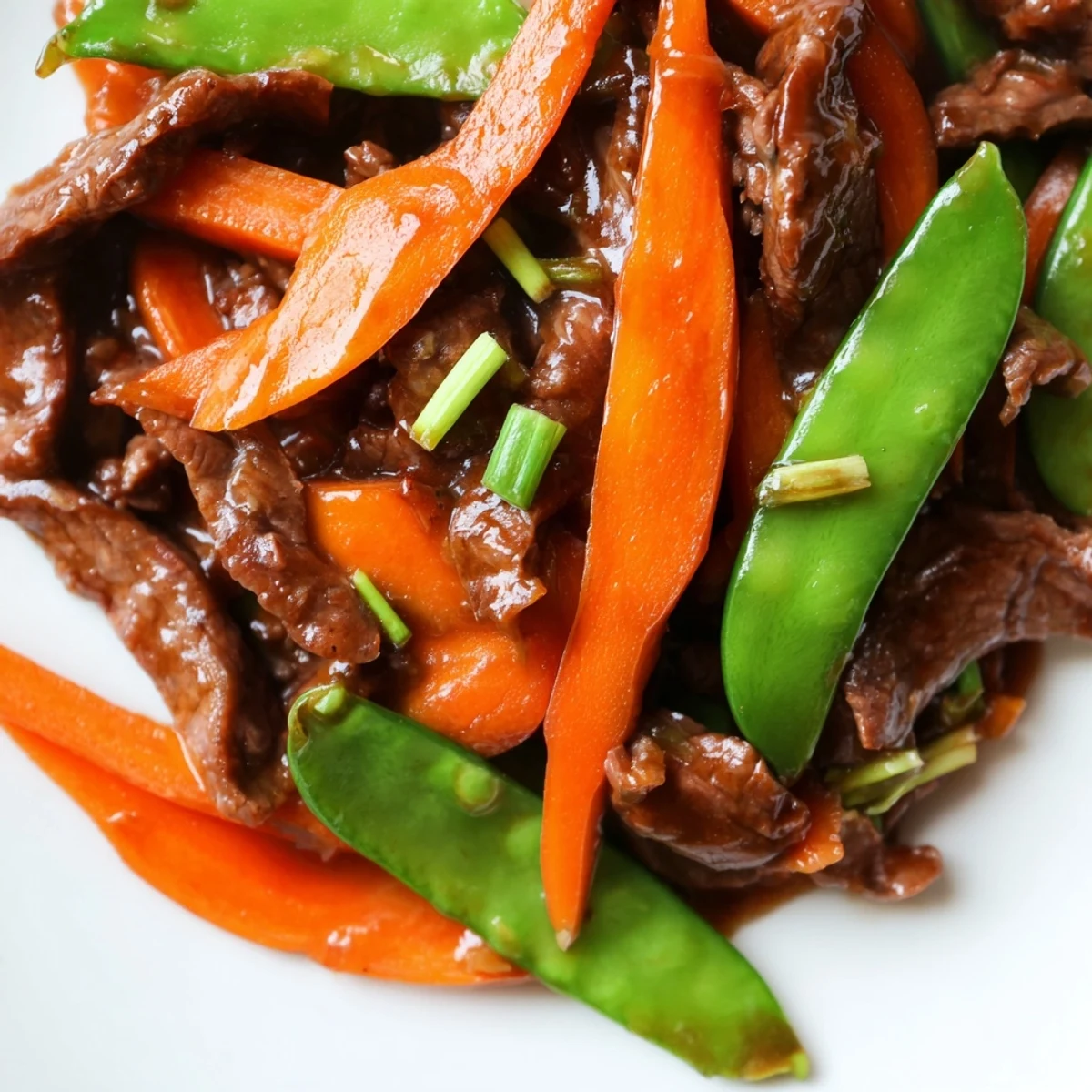
 I think what makes this dish special is that moment when you taste it and realize you just made restaurant-quality food in your own kitchen, in less time than a delivery driver would take. That's the moment when cooking stops feeling like a chore and starts feeling like a small power you have.
Why This Sauce Works So Well
The sauce is the whole story. Soy sauce brings saltiness and umami, oyster sauce adds subtle sweetness and depth, hoisin brings savory richness, and rice vinegar cuts through everything with brightness. Brown sugar ties it together and balances the salt, while garlic and ginger give it personality. The cornstarch thickens it into something that clings to the beef instead of sliding off. It's not random; it's a formula that works because each element has a job.
The Technique That Changes Everything
Stir frying is all about speed and heat. A screaming-hot wok, properly prepped ingredients, and constant motion mean every component cooks quickly and stays flavorful instead of turning into mush. The beef gets a crust, the vegetables stay crisp, and the sauce coats everything in a glossy finish that catches the light. Slow and low is for braising; fast and hot is for stir fries.
Variations and Swaps That Actually Work
This formula is flexible enough to adapt to whatever you have or whatever you're craving that day. Chicken breast works beautifully if you slice it thin and give it the same marinade treatment. Tofu takes on the flavors gorgeously if you press it well and treat it gently so it doesn't fall apart. Even shrimp works if you add it in the last minute or two. The vegetables are negotiable too; bok choy, broccoli, peppers, snap peas, and mushrooms all thrive in this sauce.
- For heat, stir a pinch of red pepper flakes or sliced fresh chili into the sauce.
- For gluten-free cooking, swap tamari for soy sauce and use certified gluten-free oyster and hoisin sauces.
- For vegetarian depth, use mushroom-based oyster sauce or a good quality soy sauce seasoning instead.
 Save to Pinterest
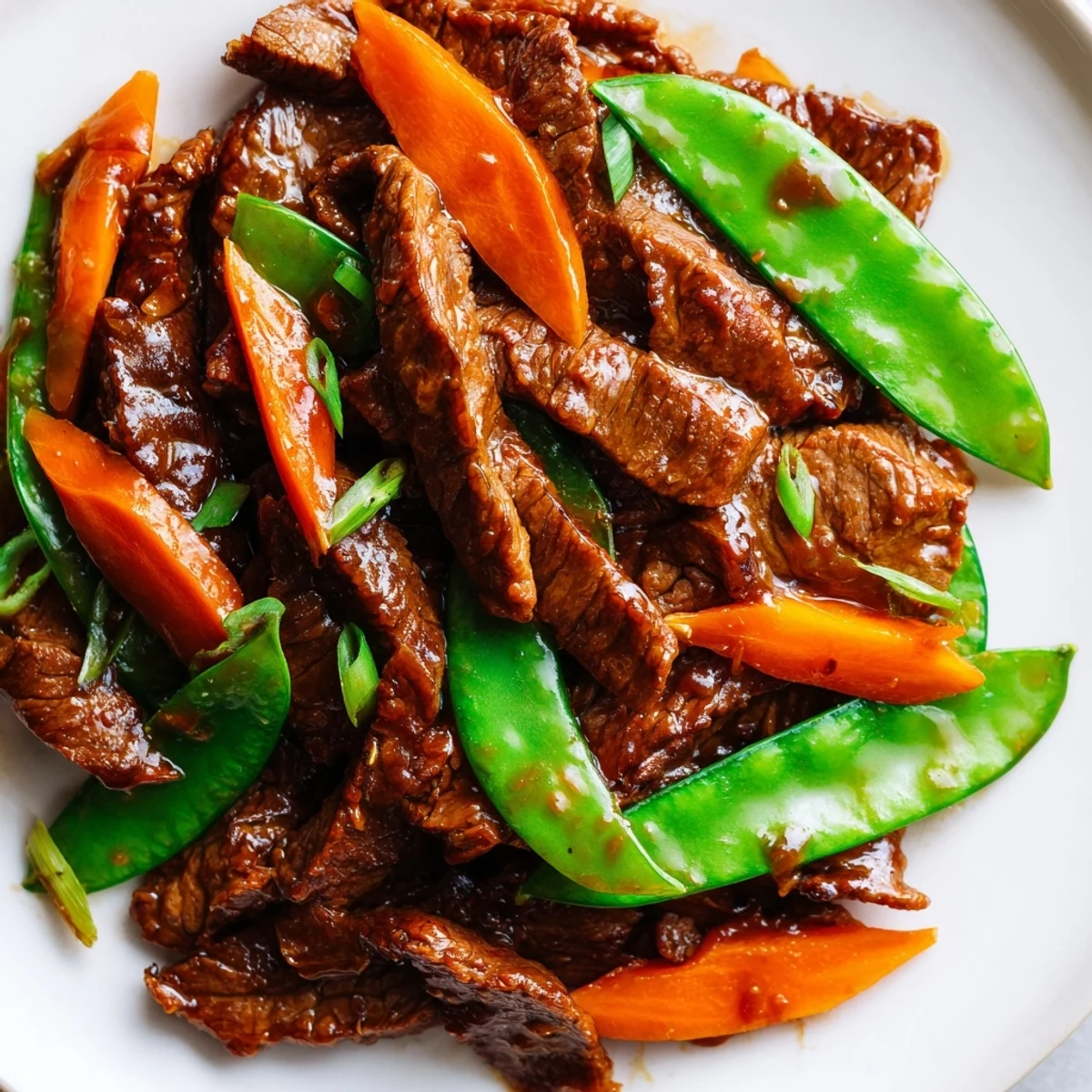
 This stir fry has become the meal I make when I want to feel capable and feed people well at the same time. It asks very little and delivers something that tastes like you know what you're doing.
Recipe FAQs
- → What cut of beef works best?
-
Flank steak or sirloin sliced thinly against the grain ensures tenderness and quick cooking.
- → How do I keep the vegetables crisp?
-
Stir fry the carrots first, then add snow peas briefly to maintain their crisp-tender texture.
- → Can I make this dish gluten-free?
-
Use tamari instead of soy sauce, and choose gluten-free oyster and hoisin sauces to avoid gluten.
- → Is there a way to add spice?
-
Add red pepper flakes or sliced fresh chili to the sauce for a spicier flavor profile.
- → What are some protein alternatives?
-
Chicken or tofu can be substituted for beef to suit different dietary preferences.